Formula One runs annual competitions for drivers and constructors, giving each race two connected perspectives. Drivers pursue individual results, while teams consider the combined performance of their cars. These aims usually support one another, but decisions about strategy, resources and track position sometimes need coordination. Understanding both championships helps explain behaviour that looks puzzling from a single driver's perspective.
A car is an engineering system
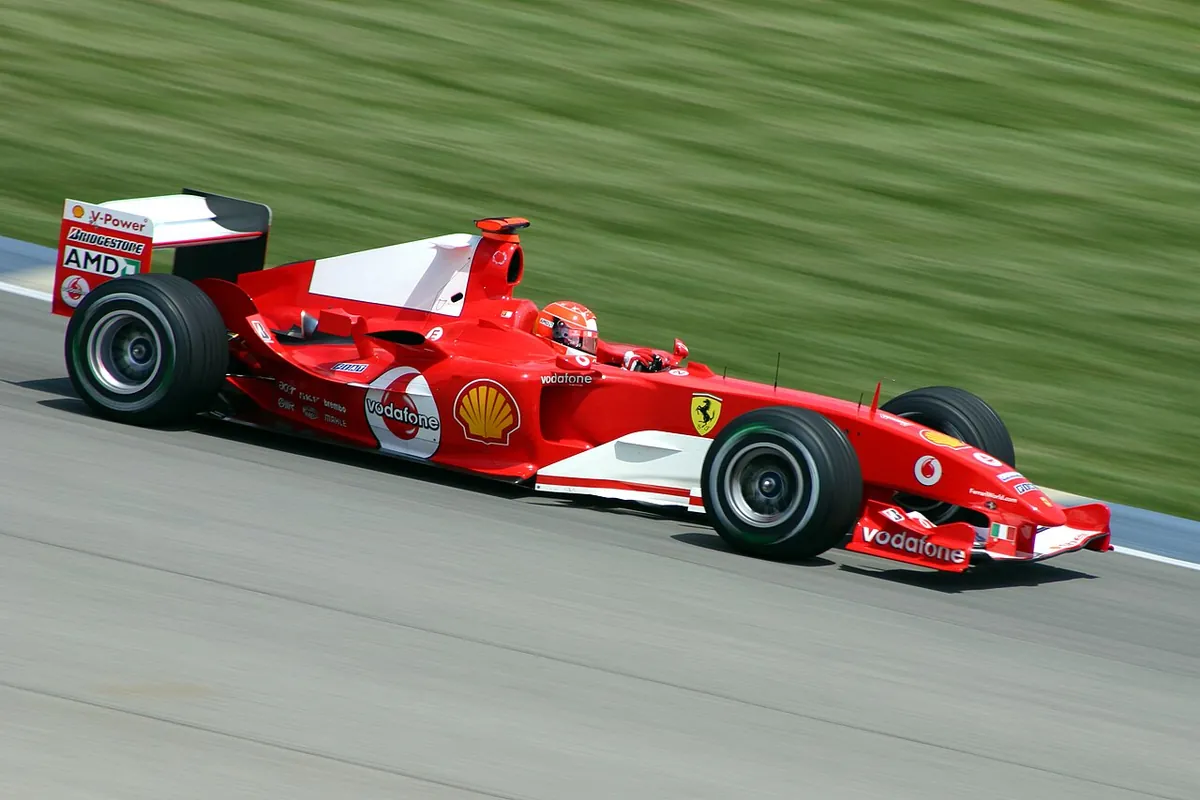
Performance emerges from aerodynamics, the power unit, chassis work and operations. The driver supplies feedback and executes the lap, but every visible run also contains work done at the factory and in the garage. This wider view helps explain why the same driver's results can change considerably from one season to another.
Two cars create options
A team can choose different stop times or tyres to cover alternative race developments. It also faces practical constraints when both cars need the pit box close together. Consecutive stops demand careful organisation. Different strategies do not automatically mean one driver has been abandoned; their purpose needs to be read against the whole race situation.
Read the tables separately
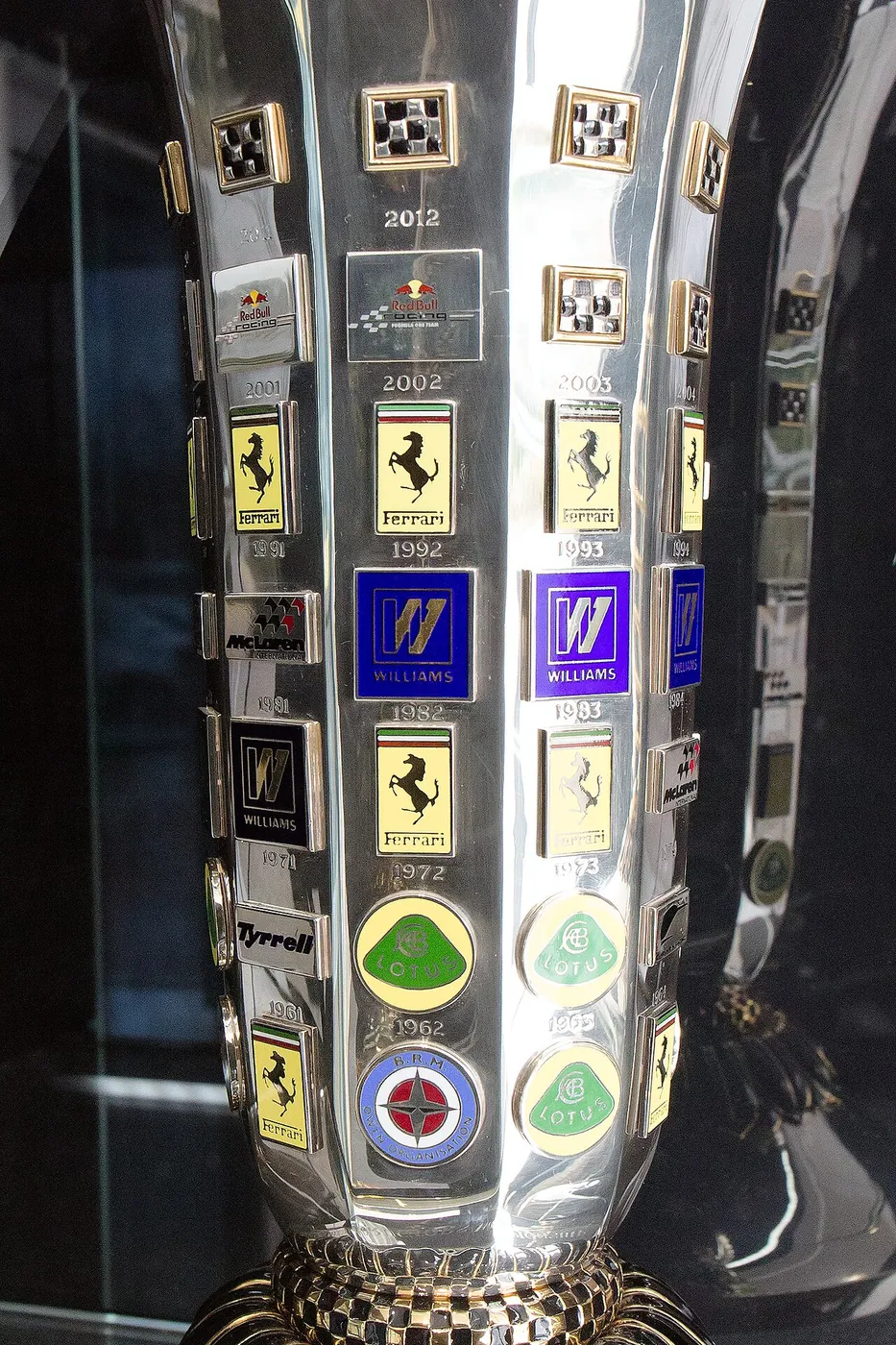
Driver and constructor standings measure different things, and points systems can change between seasons. Historical title calculations must use the rules of their year. A clear review distinguishes championships, individual race victories and teammate comparisons, allowing each number to describe a defined achievement rather than treating them as interchangeable measures of quality.