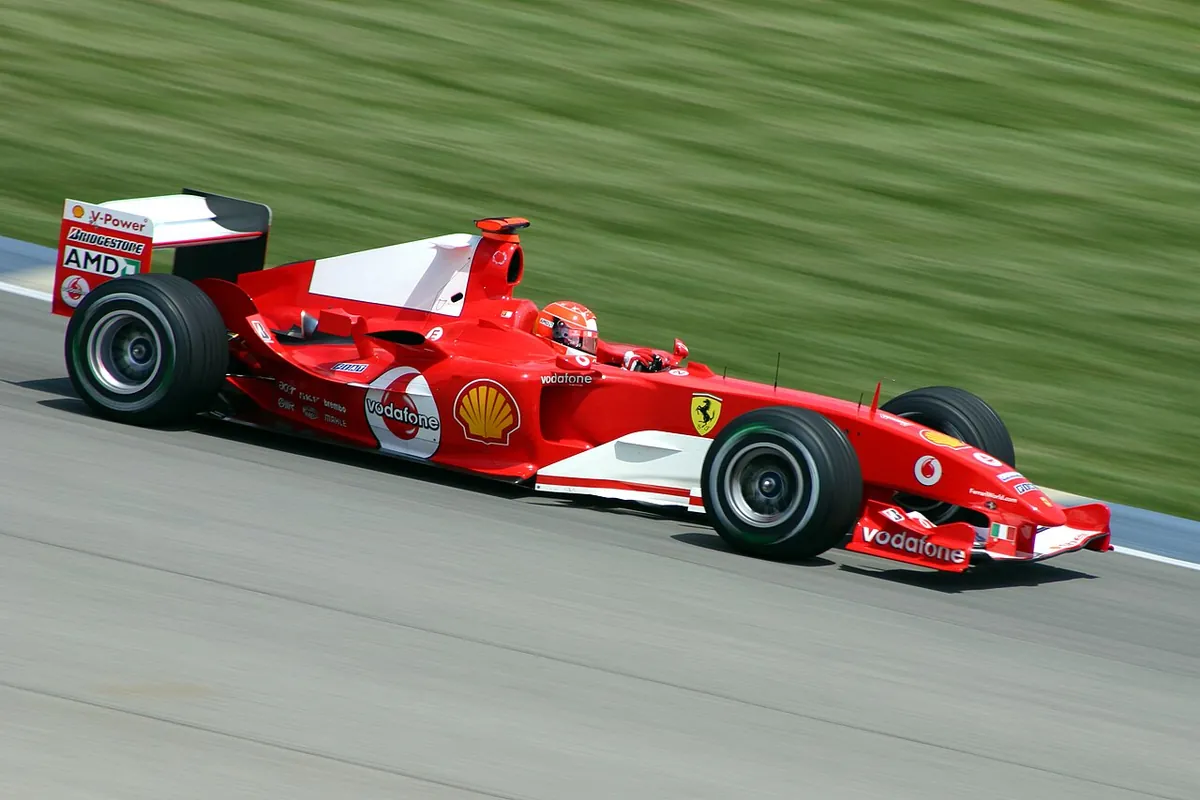
Formula One tyres are the car's contact with the road and a major strategic variable. Softer and harder compounds usually involve different compromises between grip, warm-up and durability, but their behaviour is not identical at every circuit. This guide explains the underlying viewing principles; available compounds and usage requirements should be checked against the regulations for the particular season.
Temperature matters
A tyre needs a suitable operating temperature to perform effectively. Too little heat can limit grip, while excessive heat can encourage sliding and deterioration. Driving style, track temperature and airflow from another car all influence that state. Consequently, the same compound may behave differently on two cars or during separate phases of a race.
Wear is not the whole story
Physical tread wear and a decline in lap time are related but distinct. A tyre can retain material while losing performance through temperature or surface condition. Another may remain useful when managed carefully. The displayed tyre age is therefore a clue, not a complete answer to whether a driver should stop.
Every stop is an exchange
Fresh tyres can deliver better performance, but reaching the pit lane and completing the stop costs time. Staying out protects track position while accepting the risk of being caught on older rubber. Once this exchange is understood, a tyre stop becomes a decision about the coming sequence of laps rather than simply a mechanical service.