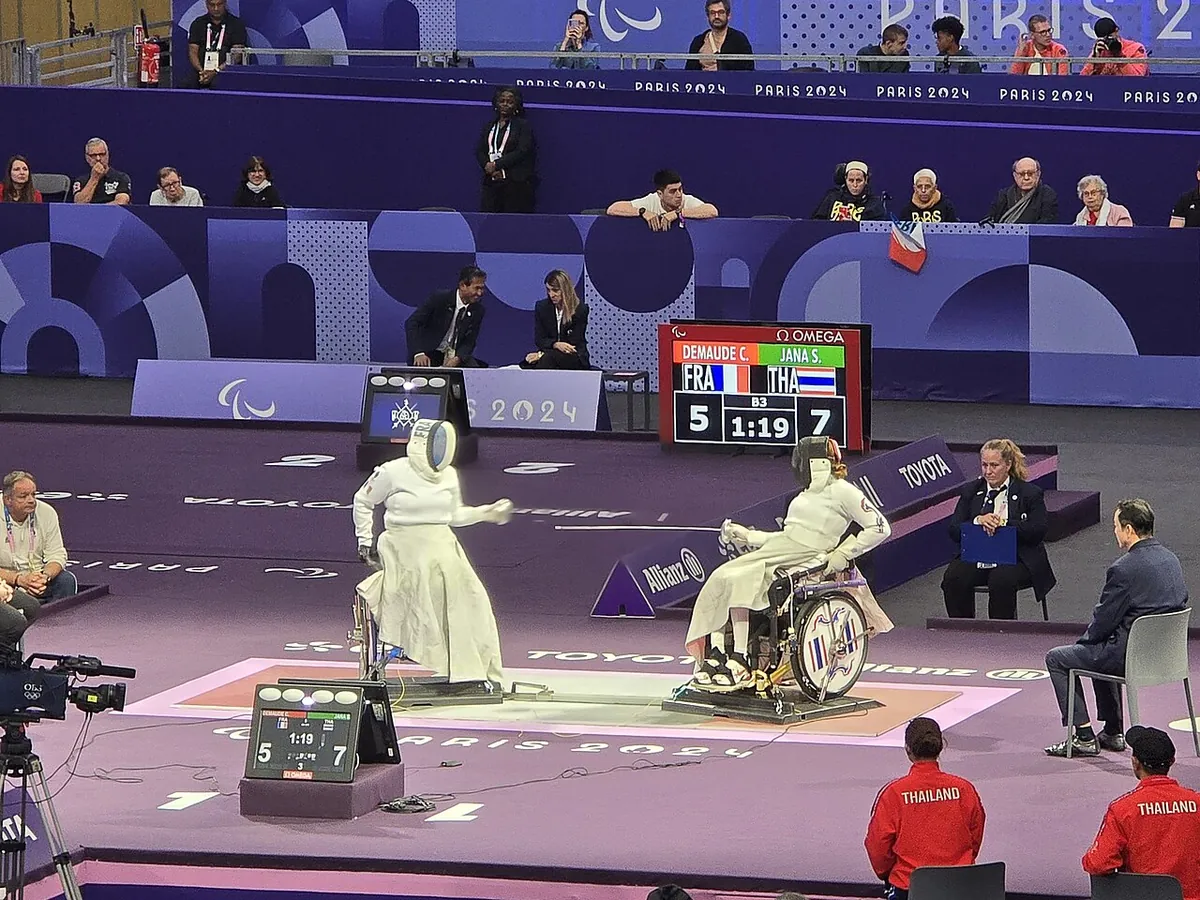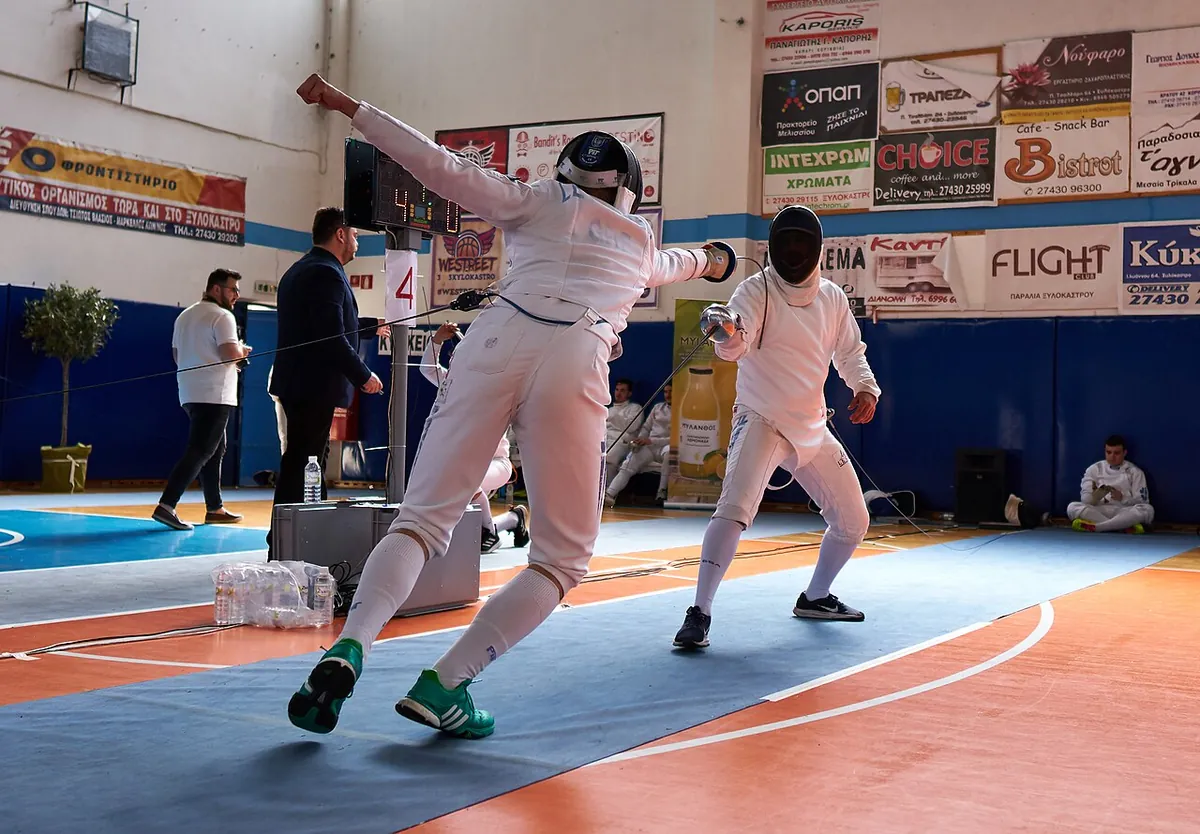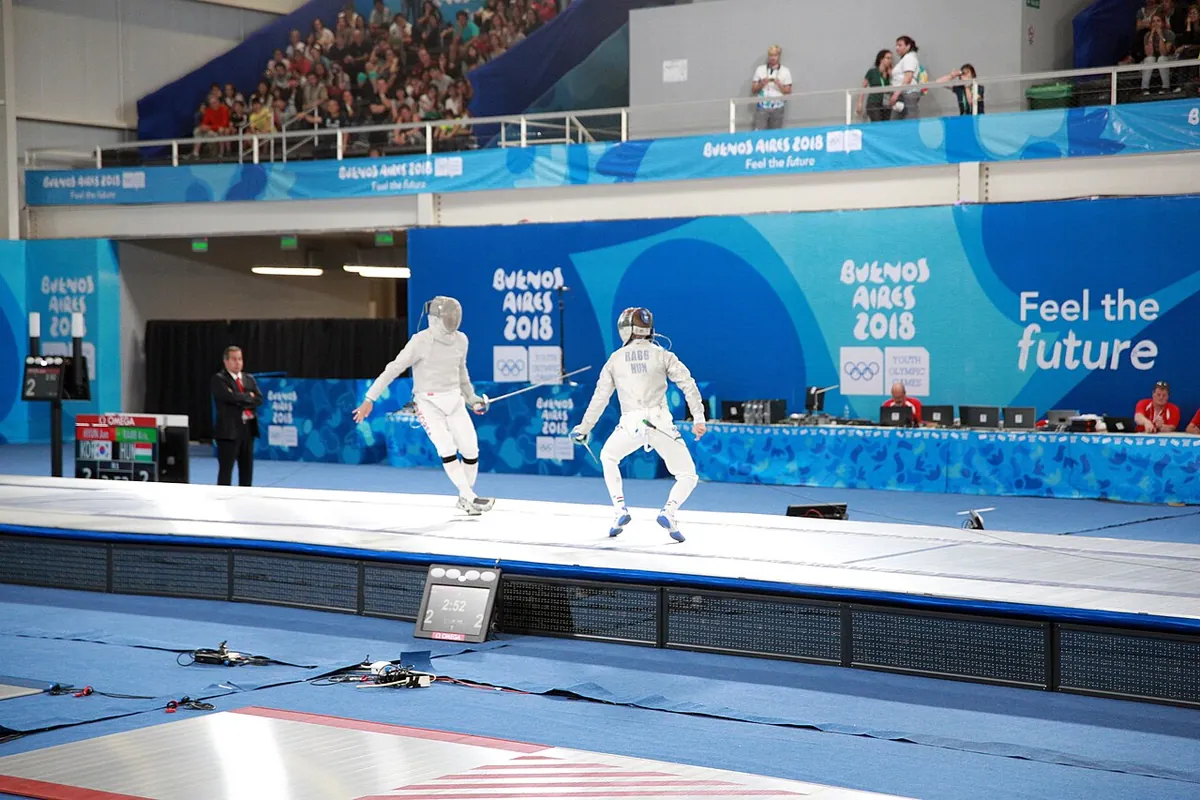
Priority is central to foil and sabre, but it is not simply a reward for moving forward first or lighting the box first. The referee identifies the attack, blade interactions and defensive response under FIE definitions. Treat the signal as one piece of evidence, then follow the official explanation.
Attack, parry and response
A legally established attack creates a particular relationship between the fencers. A successful defensive action followed by an immediate response can change that relationship. The question is whether the actions meet the technical definitions, not who celebrates more confidently. Follow point threat, arm movement, distance and blade contact rather than isolating the final touches.
Simultaneous actions and off-target contact
Near-simultaneous actions may require the referee to determine whether clear priority exists. Foil also involves off-target signals. Different light combinations therefore do not all produce a simple automatic point. Listen to the final call and note any review. Electronic equipment records contact but does not independently analyse the entire technical phrase.
Replay the relevant earlier action
A priority dispute often concerns the establishment of the attack or a defensive change before the final contact. Enlarging the first light alone may not answer it. Use the referee's explanation to locate the relevant stage, then examine the connected sequence rather than deciding solely from the apparent time between touches.