 Fencing
Foil, Epee and Sabre: Three Different Contests
Target areas, permitted actions and priority rules give each weapon its own competitive character.
FencingTarget areas, permitted actions and priority rules give each weapon its own competitive character.
 Fencing
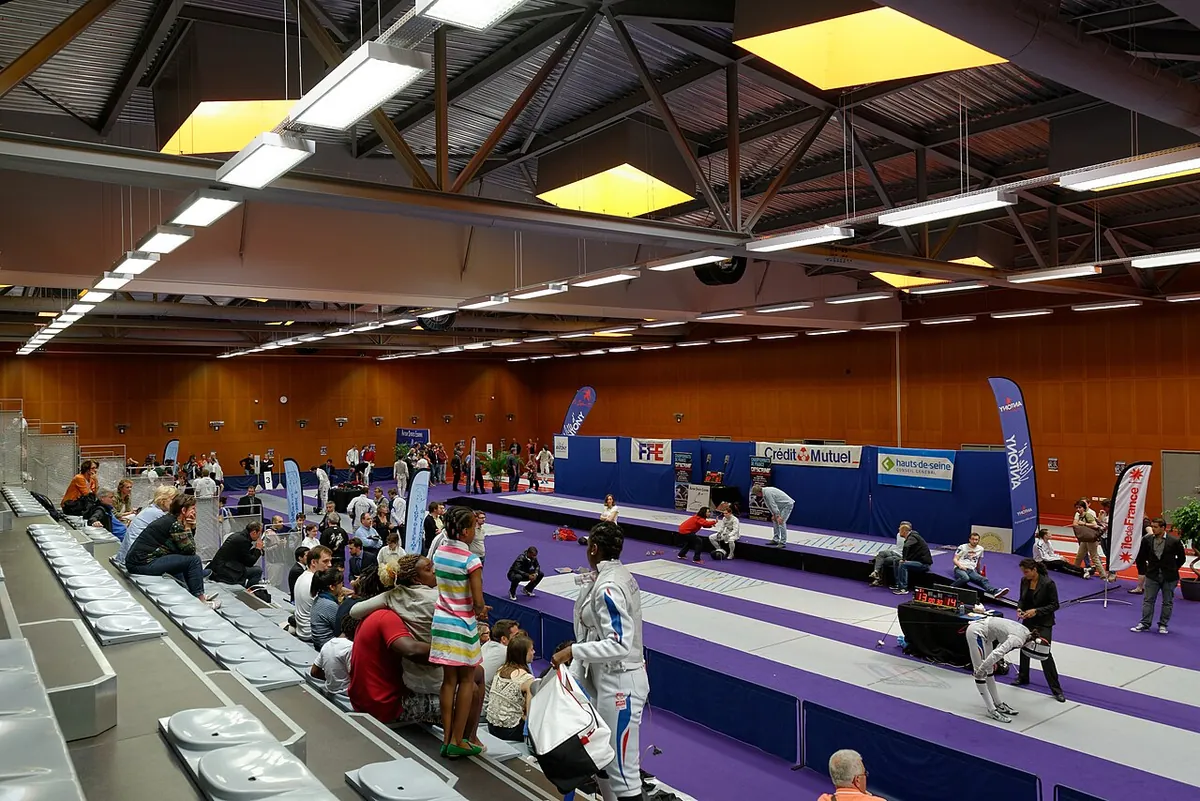
In foil and sabre, the lights record contact while the referee interprets the order of the exchange.
 Fencing
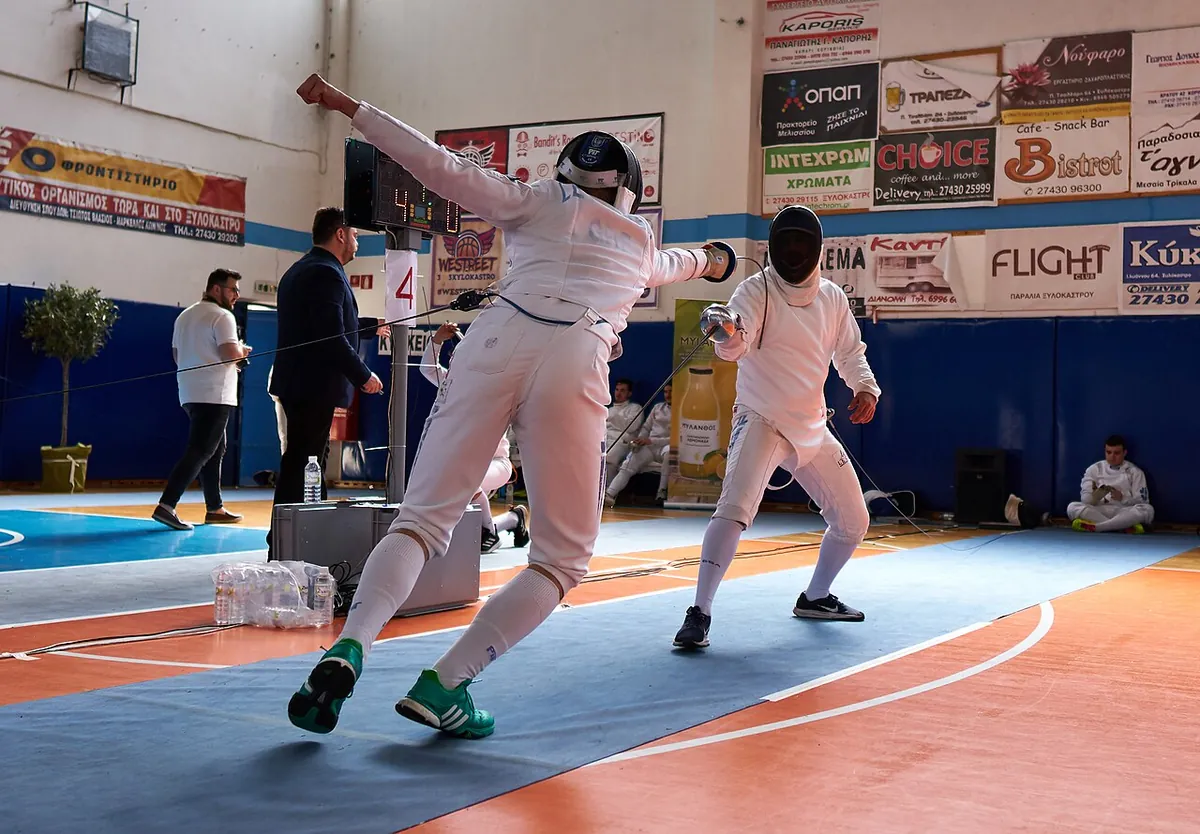
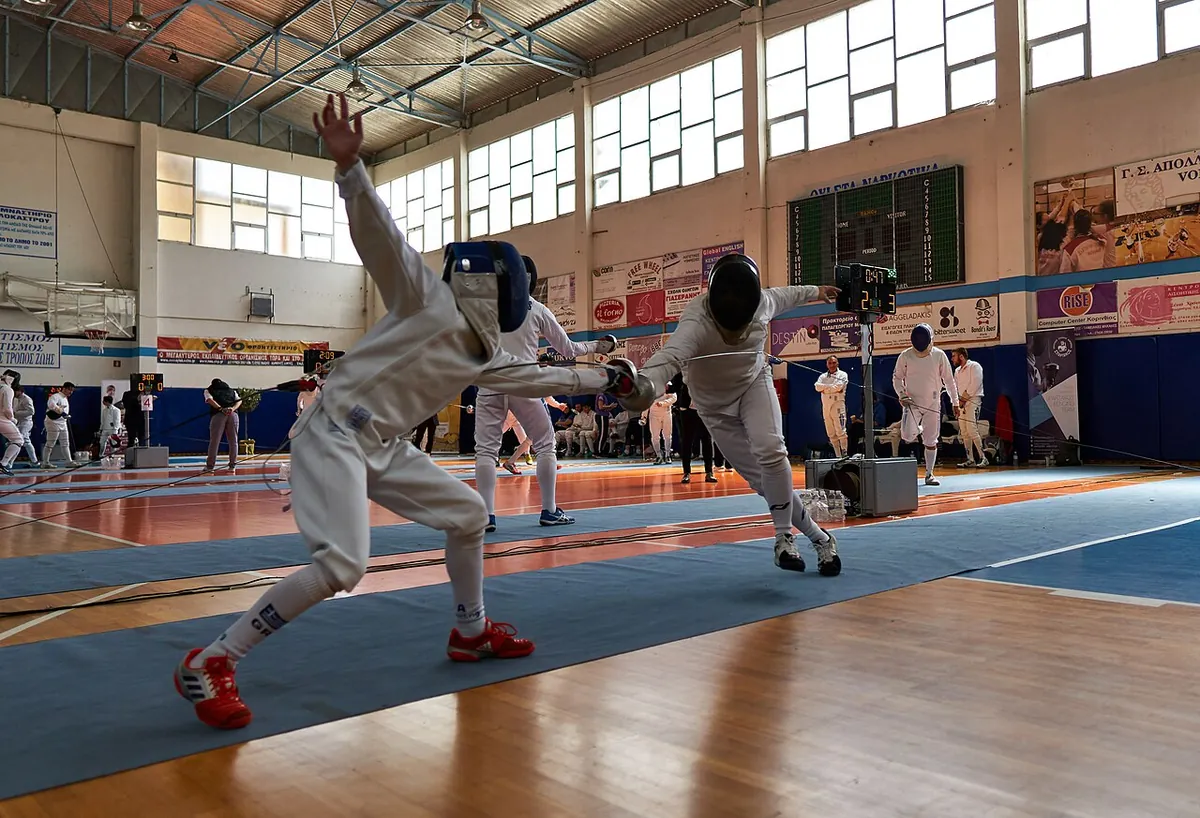
The whole-body target makes small changes in range important, while double-hit conditions influence risk.
 Fencing
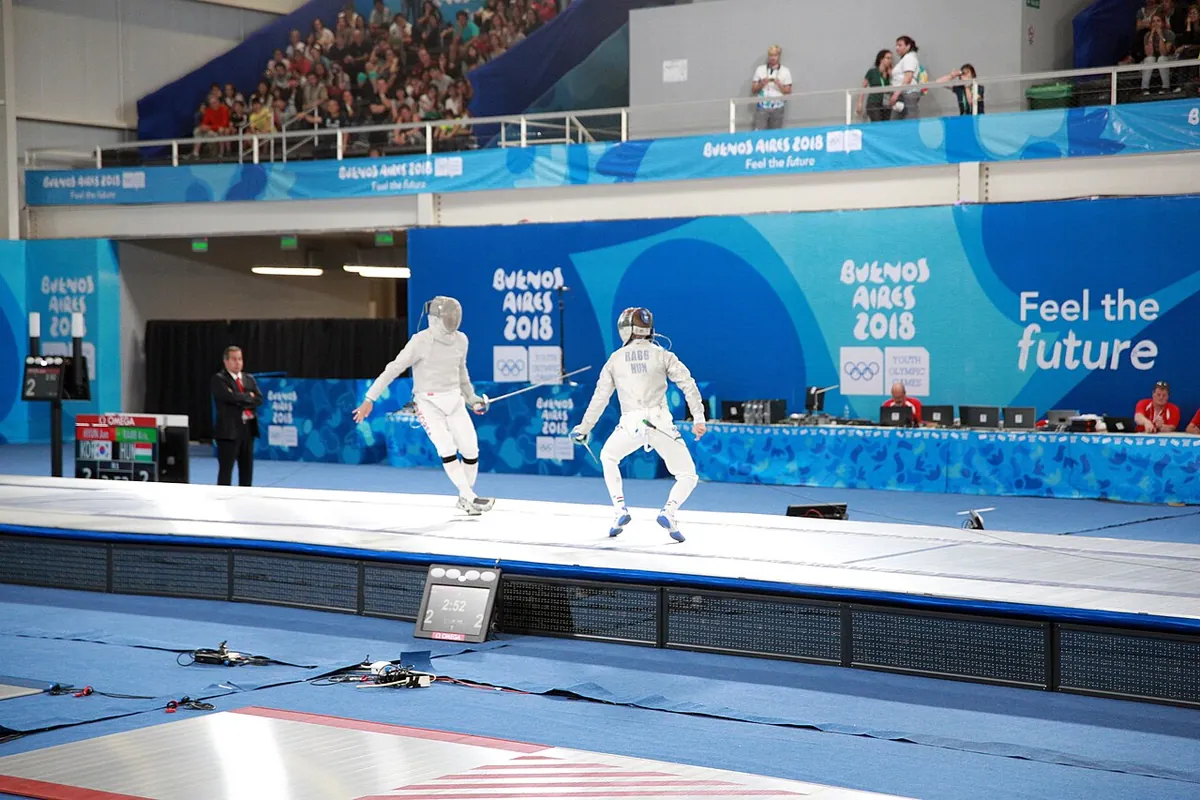
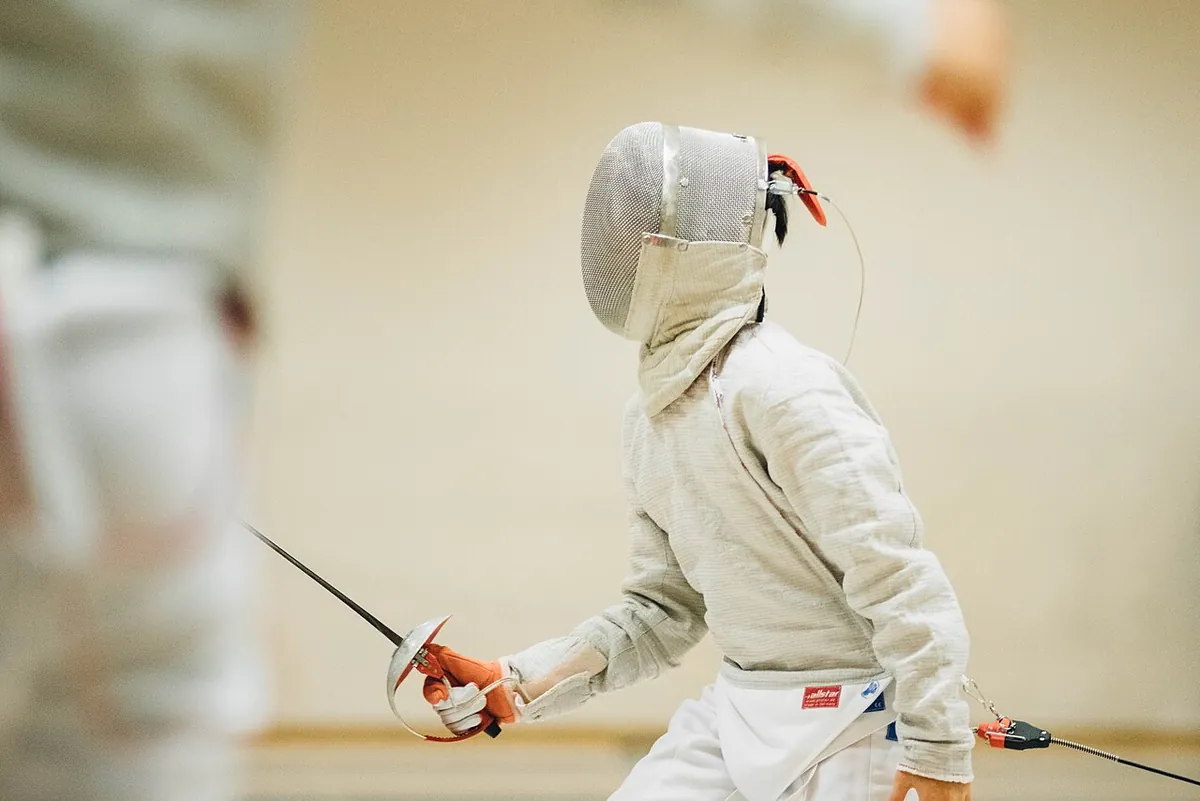
Starting rhythm, distance and attacking priority make brief sabre exchanges technically dense.
 Fencing
Advancing, retreating and lunging connect the weapon to the target while preserving balance for the next action.
 Fencing
Each relay leg inherits the previous score, so its contribution depends on the situation at the changeover.
 Fencing
Equipment records defined contact conditions; the rules and referee still determine the scoring outcome.
 Fencing
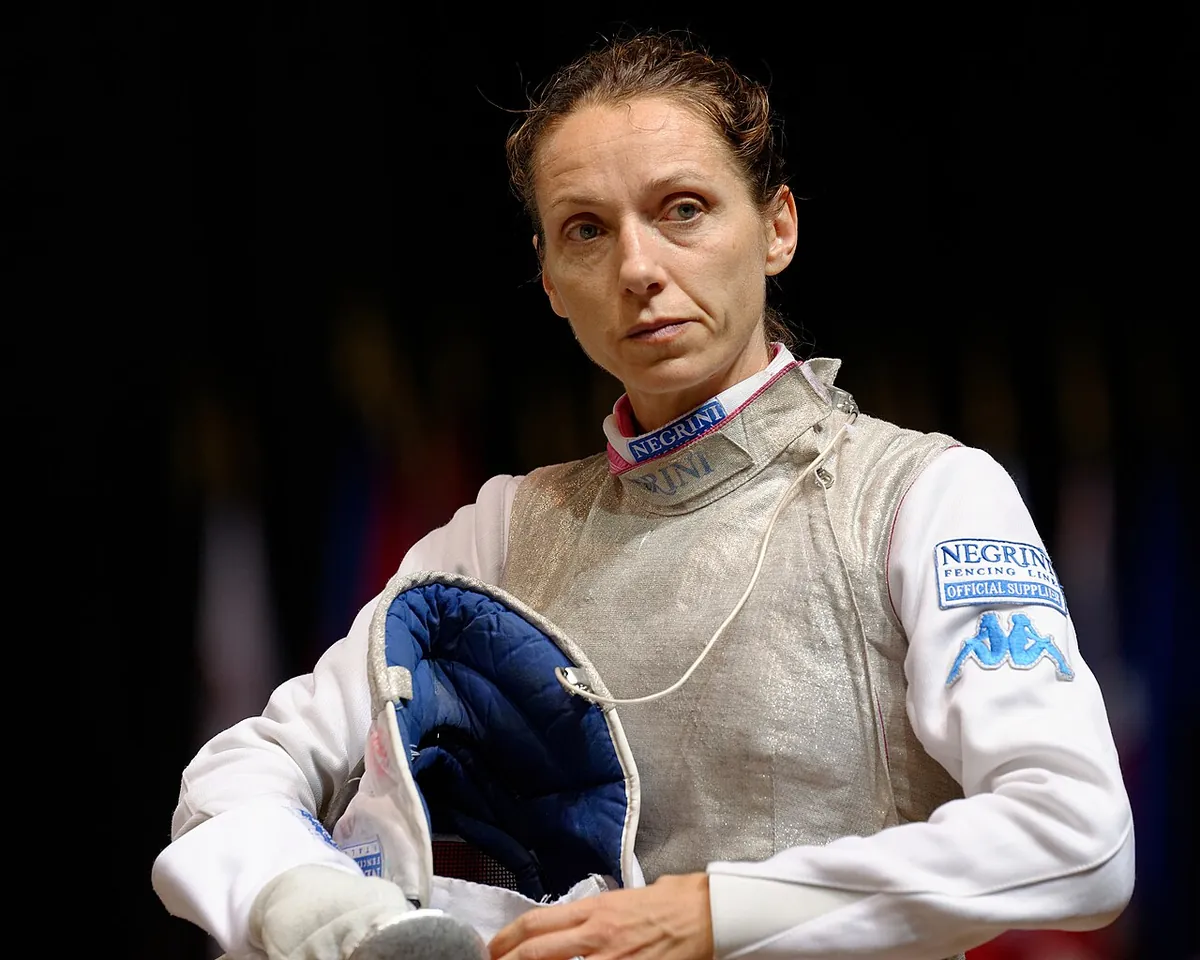
Vezzali's Sydney, Athens and Beijing results provide a clear record of sustained individual foil success.
 Fencing
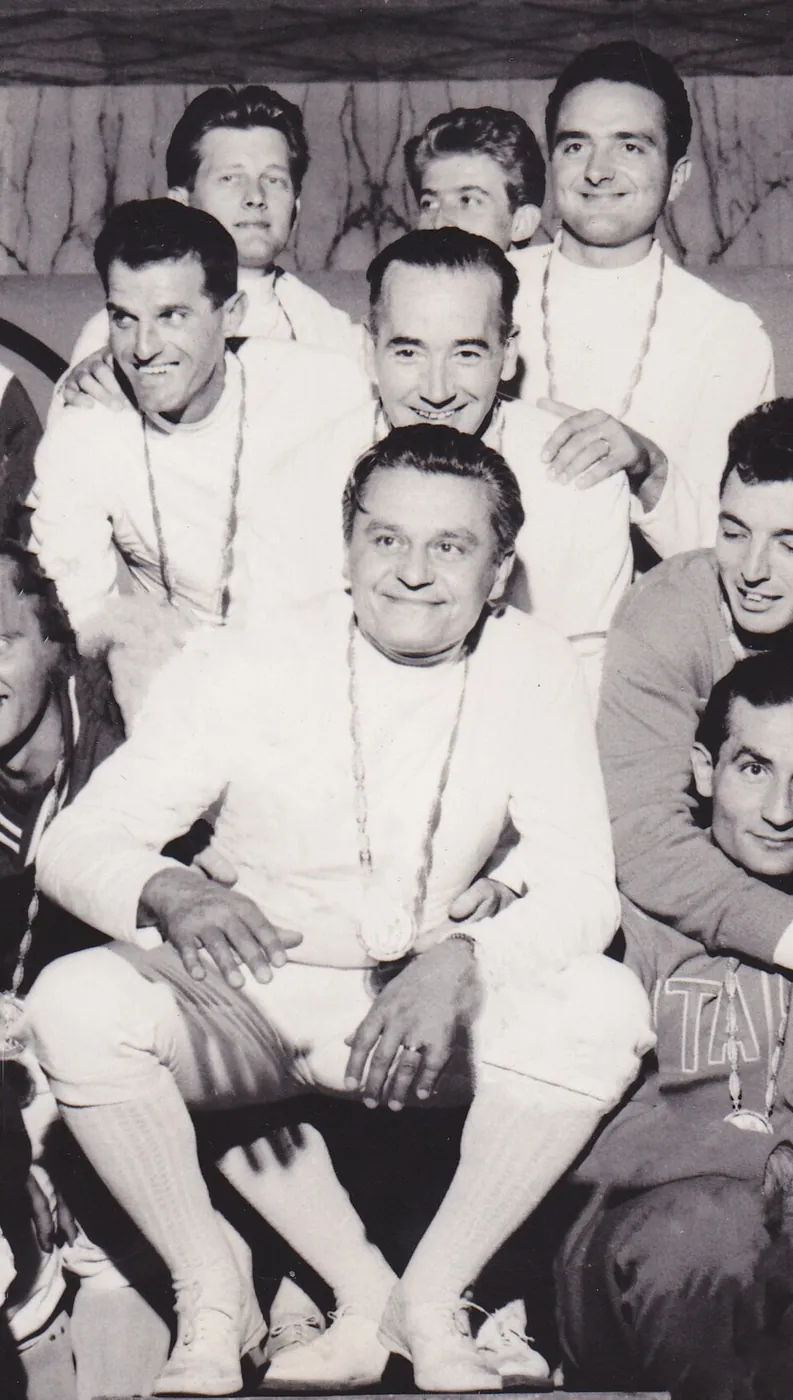
Gerevich's six Olympic team titles span a calendar interrupted by cancelled Games.
 Fencing
Zhong's 2008 Olympic title offers an introduction to sabre's combination of speed, distance and priority.