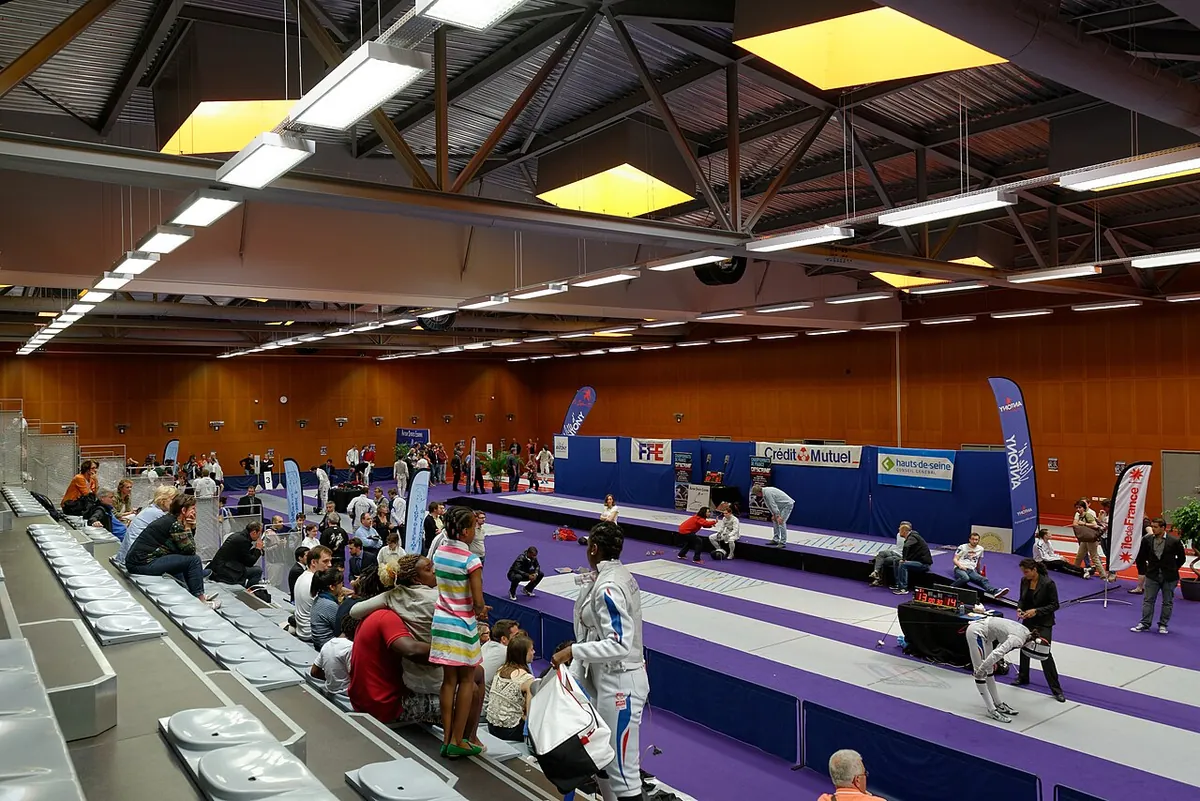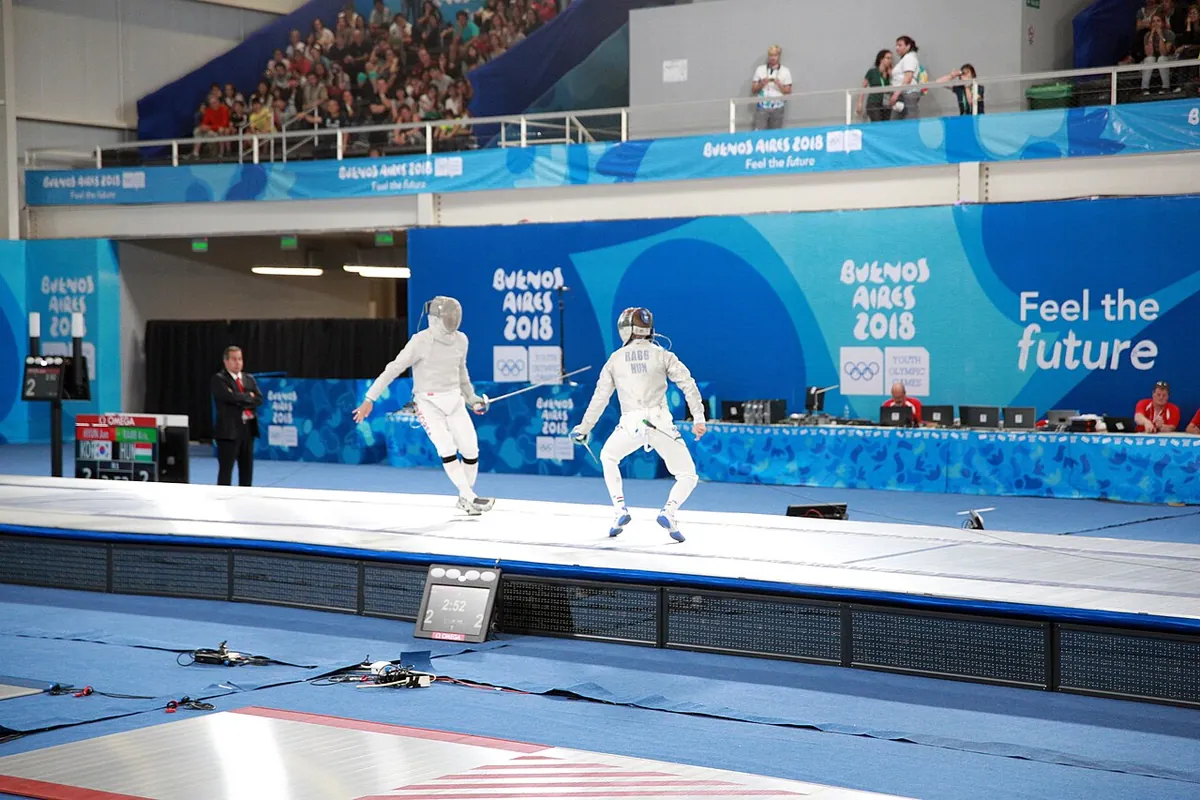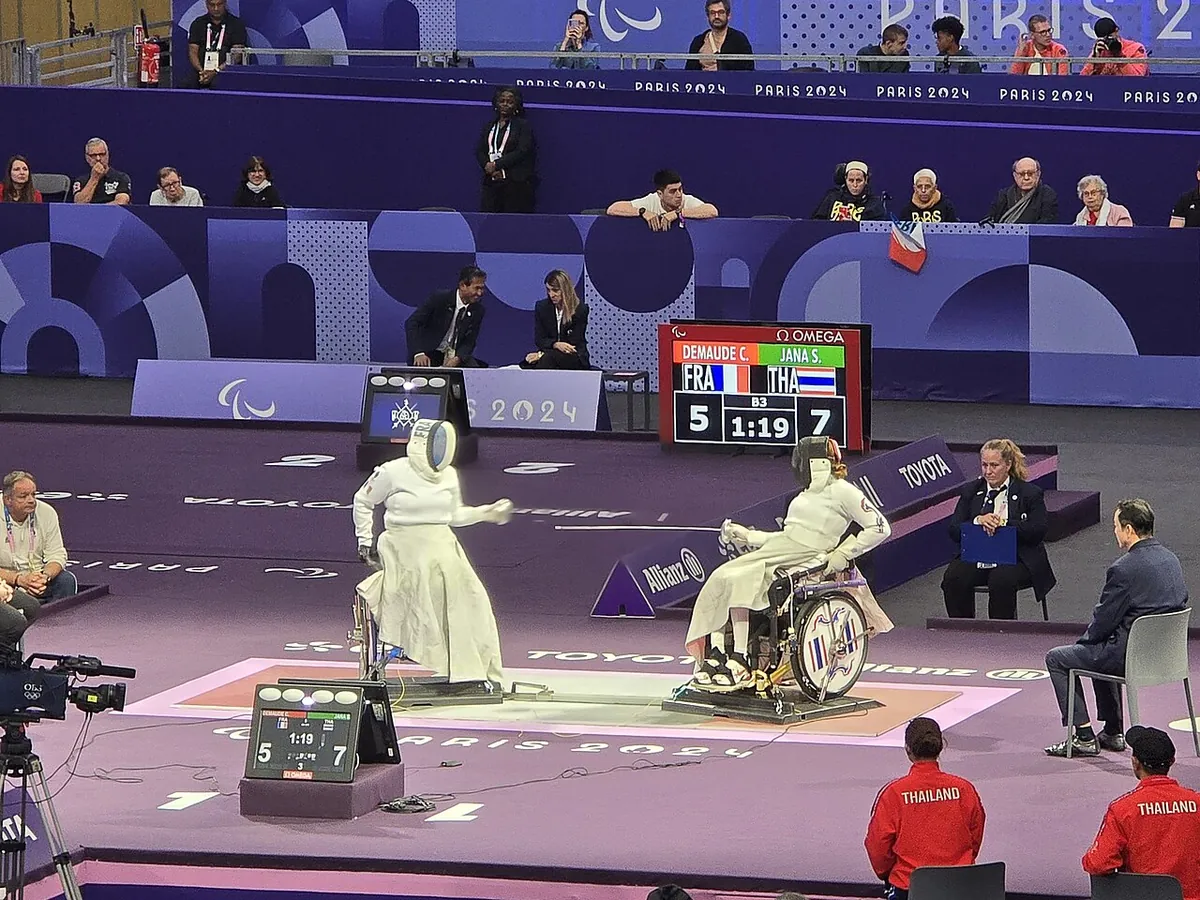
Modern fencing under the International Fencing Federation includes foil, epee and sabre. All use a piste, electronic equipment and refereeing, but their scoring conditions differ. Identify the weapon before interpreting lights or an exchange, otherwise epee's contact-based logic can lead to mistakes about foil and sabre priority.
Targets and ways to hit
Foil uses thrusts towards its regulated target, principally the torso. Epee permits valid thrusts to the whole body. Sabre permits legal cuts and thrusts within its defined upper-body target. These descriptions provide an introduction, while the exact boundaries and equipment requirements remain matters for the official rules rather than assumptions based on clothing alone.
Rules influence the rhythm
When both fencers register valid signals in foil or sabre, priority can determine the result. Epee does not apply the same attacking priority and can award a double hit under its conditions. These differences affect attacking, counterattacking and distance choices. Understanding the reward for an exchange helps explain why one weapon can look more explosive or cautious.
Identify before interpreting
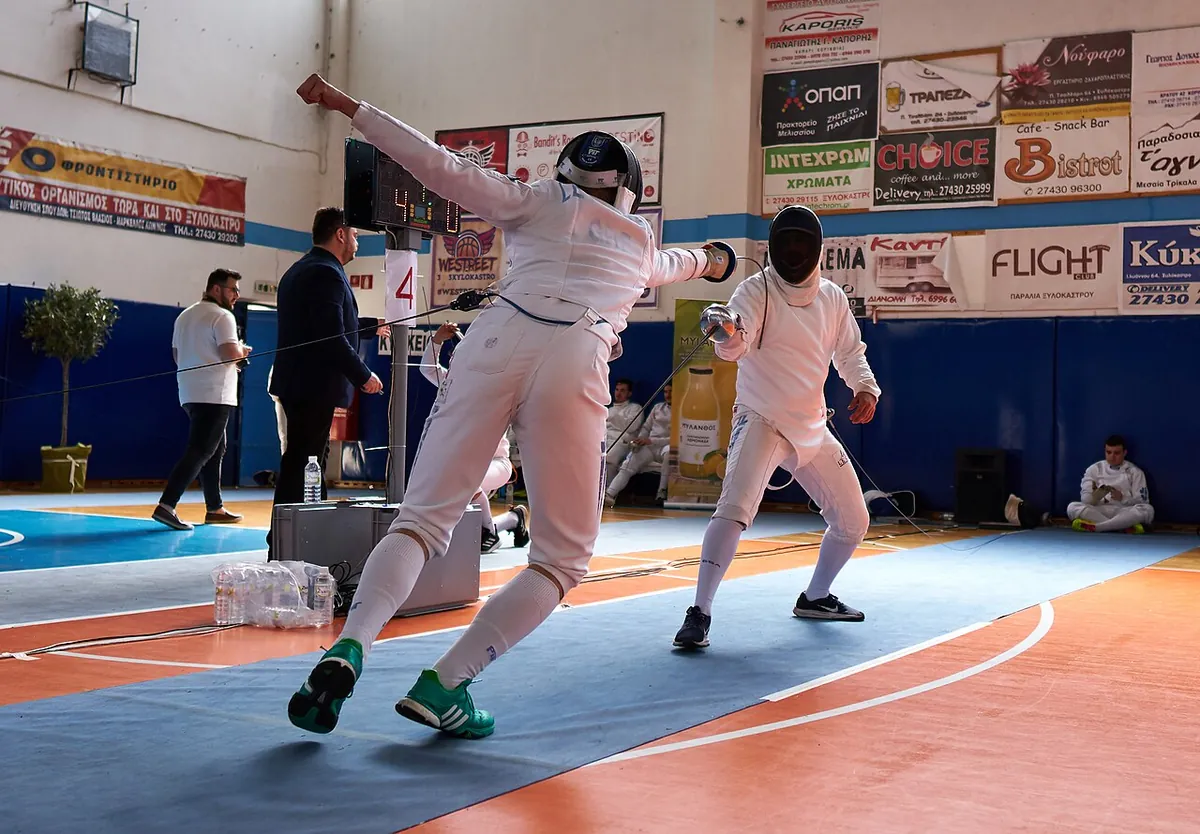
Confirm the weapon from the event title, then observe cuts, thrusts and signals. Sabre cuts, epee attacks towards hands or feet and foil's torso target gradually become recognisable. Appearance and speed are useful clues, but the formal event label is more reliable. Starting there makes lights, scores and referee gestures easier to interpret correctly.