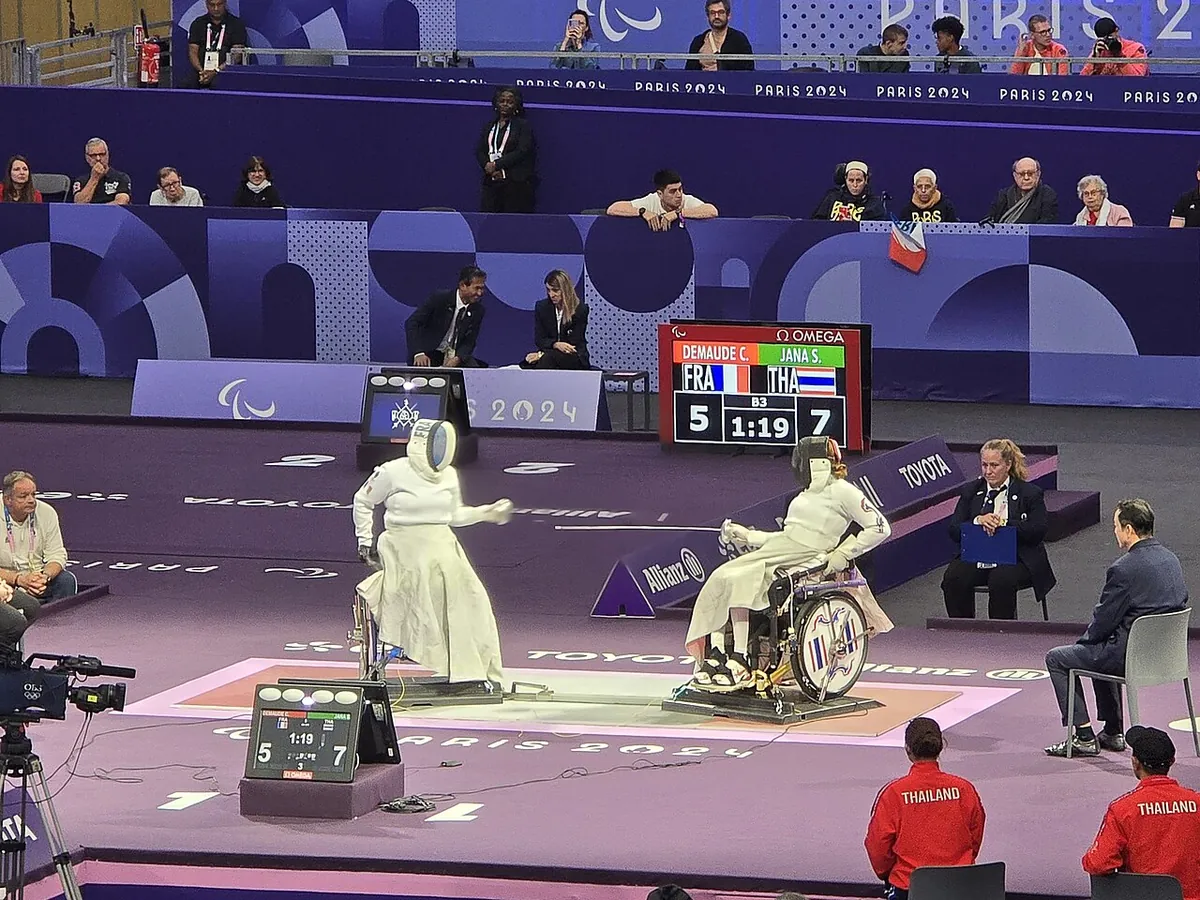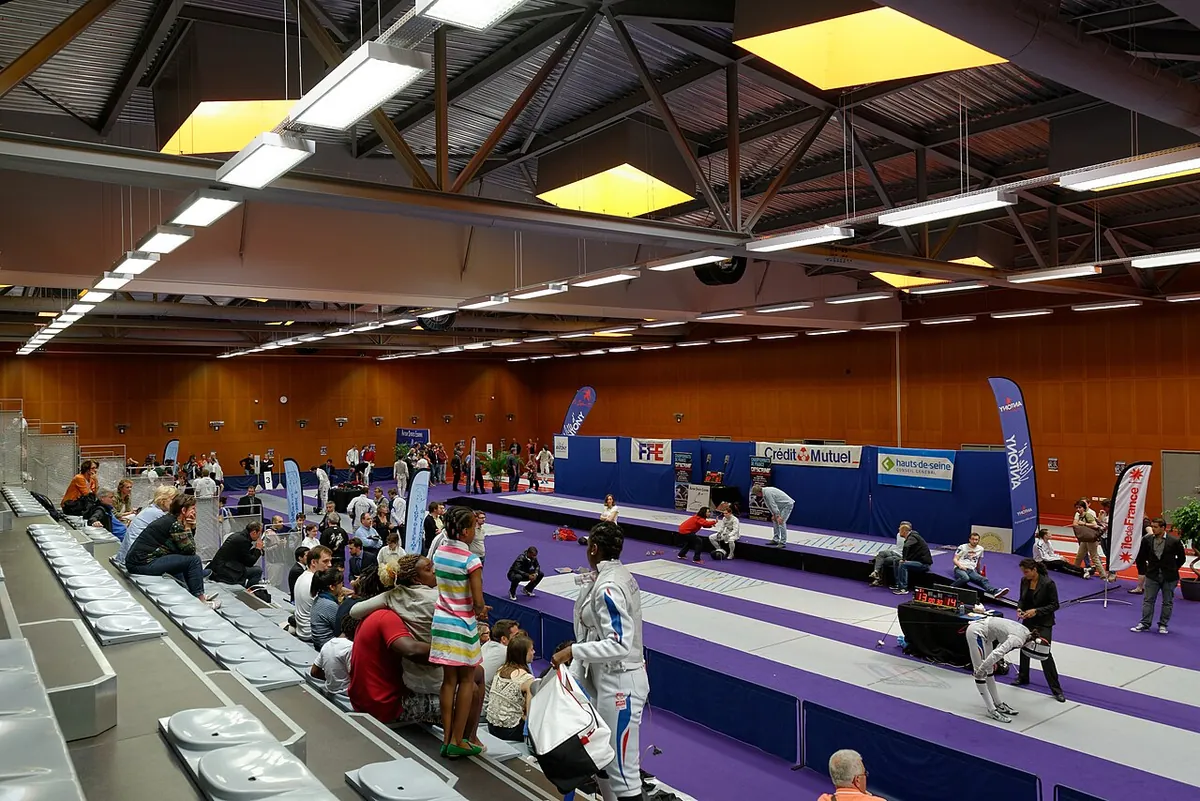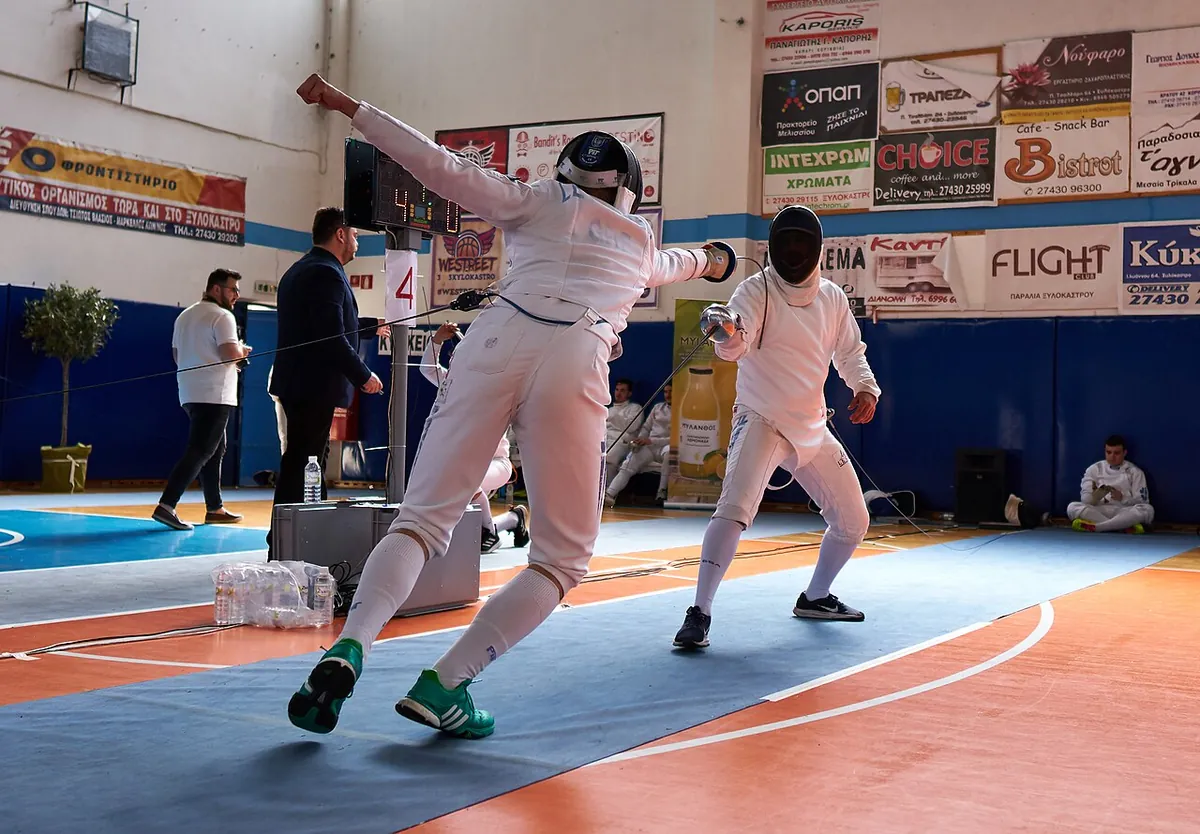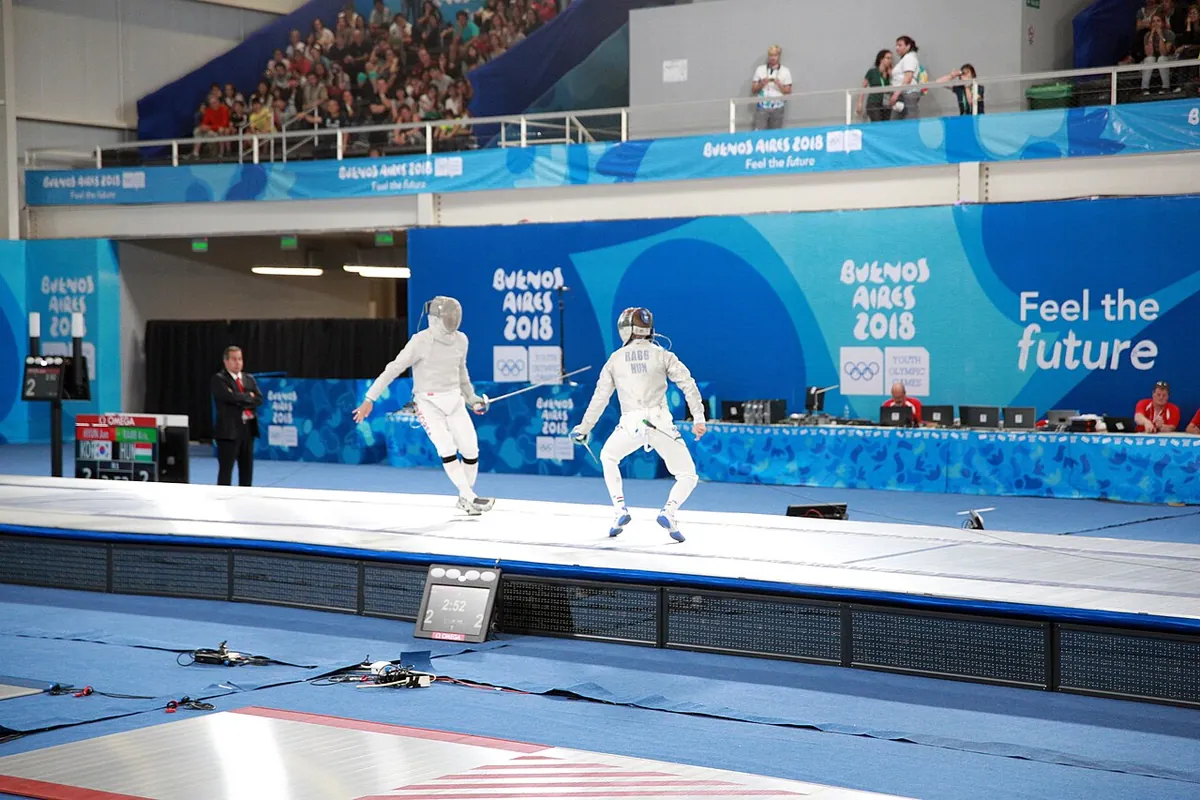
Sabre permits legal cuts and thrusts to its defined target, principally above the waist. Like foil, it uses priority, so a rapid exchange still requires interpretation after the lights appear. Watching only who celebrates first misses the footwork and arm actions through which the technical relationship was established.
The opening steps already matter
Advances, pauses and changes in range influence whether the attack arrives effectively. A fencer may change rhythm to provoke an early response or act before the opponent has organised an action. Similar-looking forward movements can carry different technical meanings. Replay the feet first, then the weapon arm and contact, to unpack the sequence.
Speed is not just reaction time
Sabre also requires target selection, balance and judgement of the opponent. Preparation, probing and a genuine attack can all appear within one short phrase. A review may change the initial decision. Wait for the result, then connect it to the action order rather than importing epee's double-hit logic into a two-light sabre exchange.
Keep watching after the halt
Athletes often express their view immediately, but a gesture or celebration is not the official outcome. The referee may explain an attack, riposte or another relationship and may use video review. Following that decision before revisiting the start helps separate arena emotion from the technical conditions that actually decide the point.