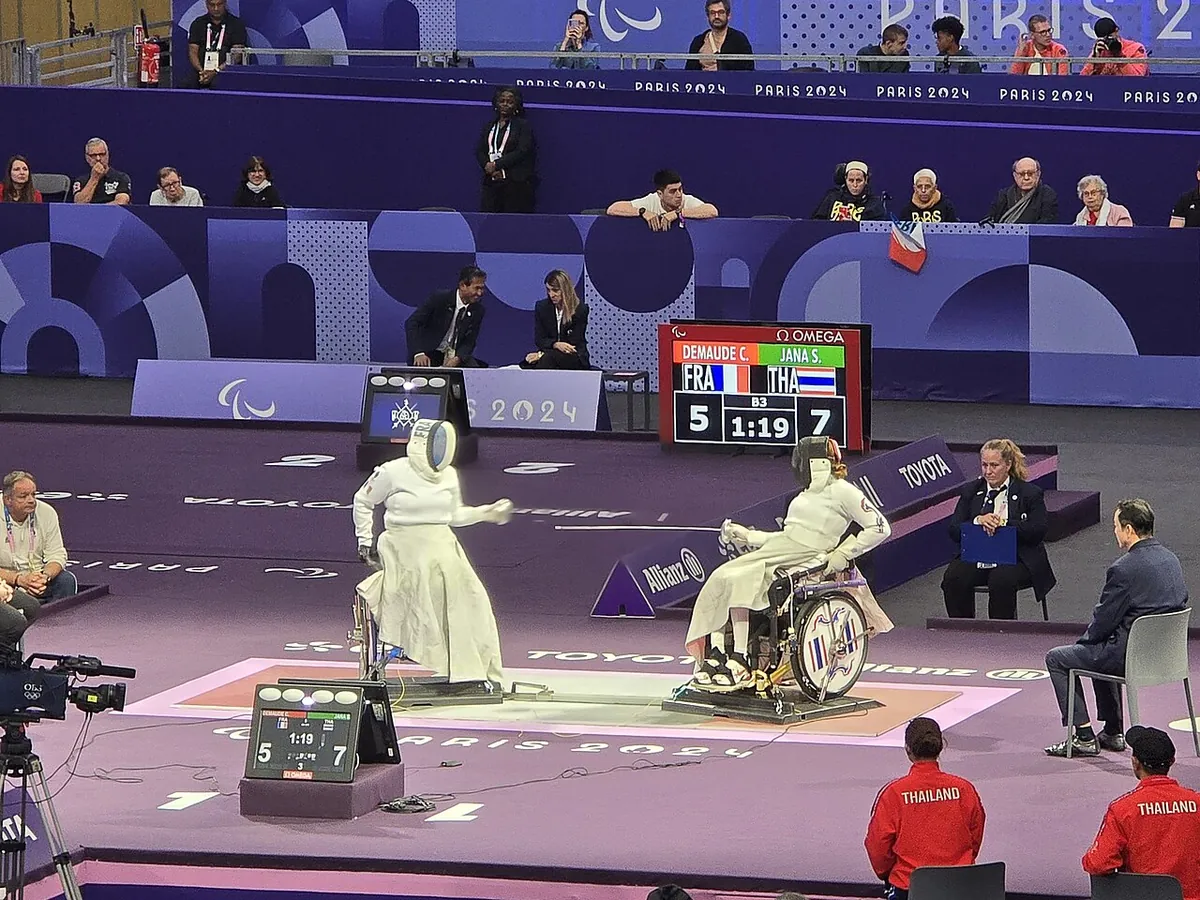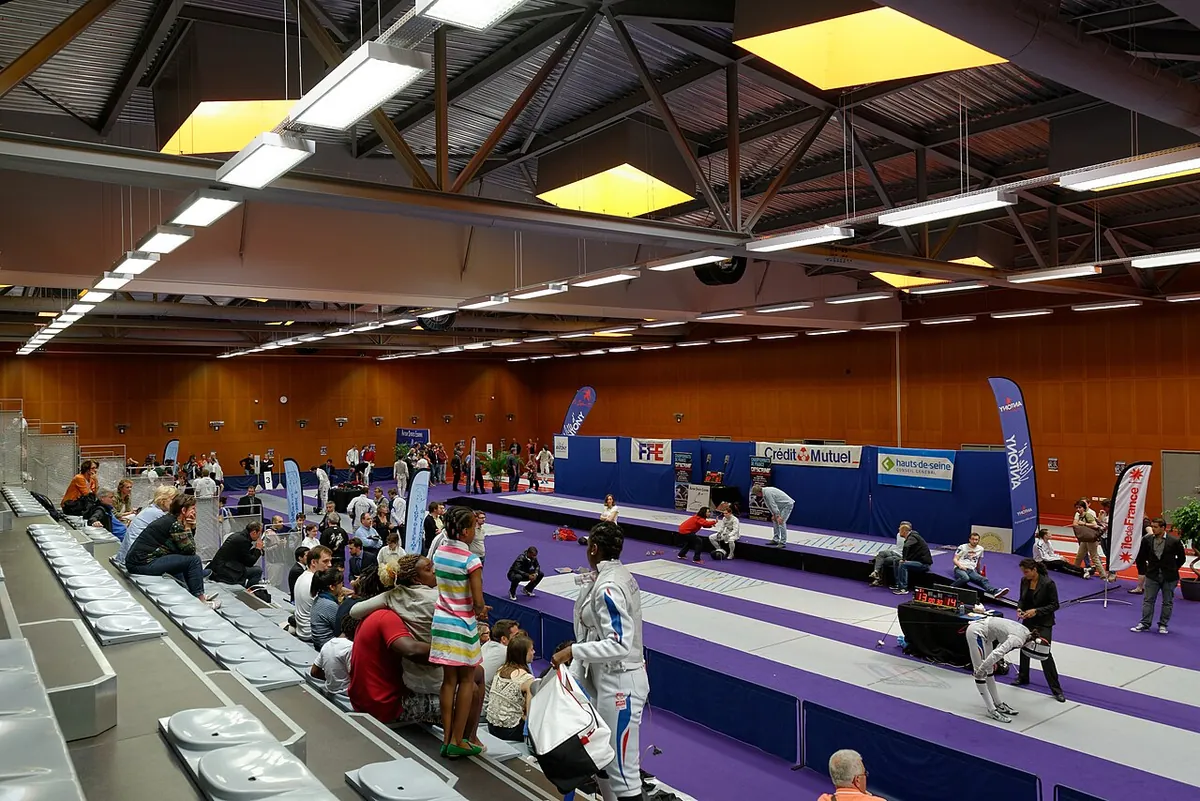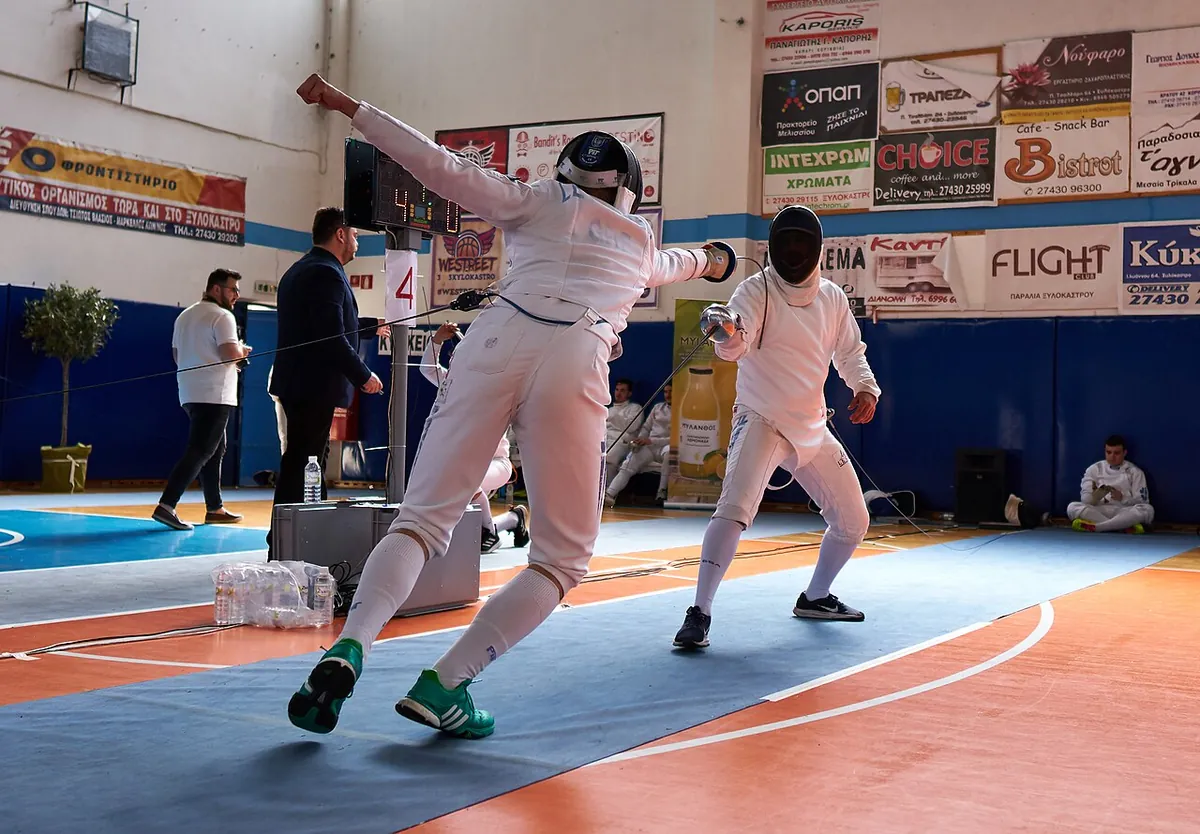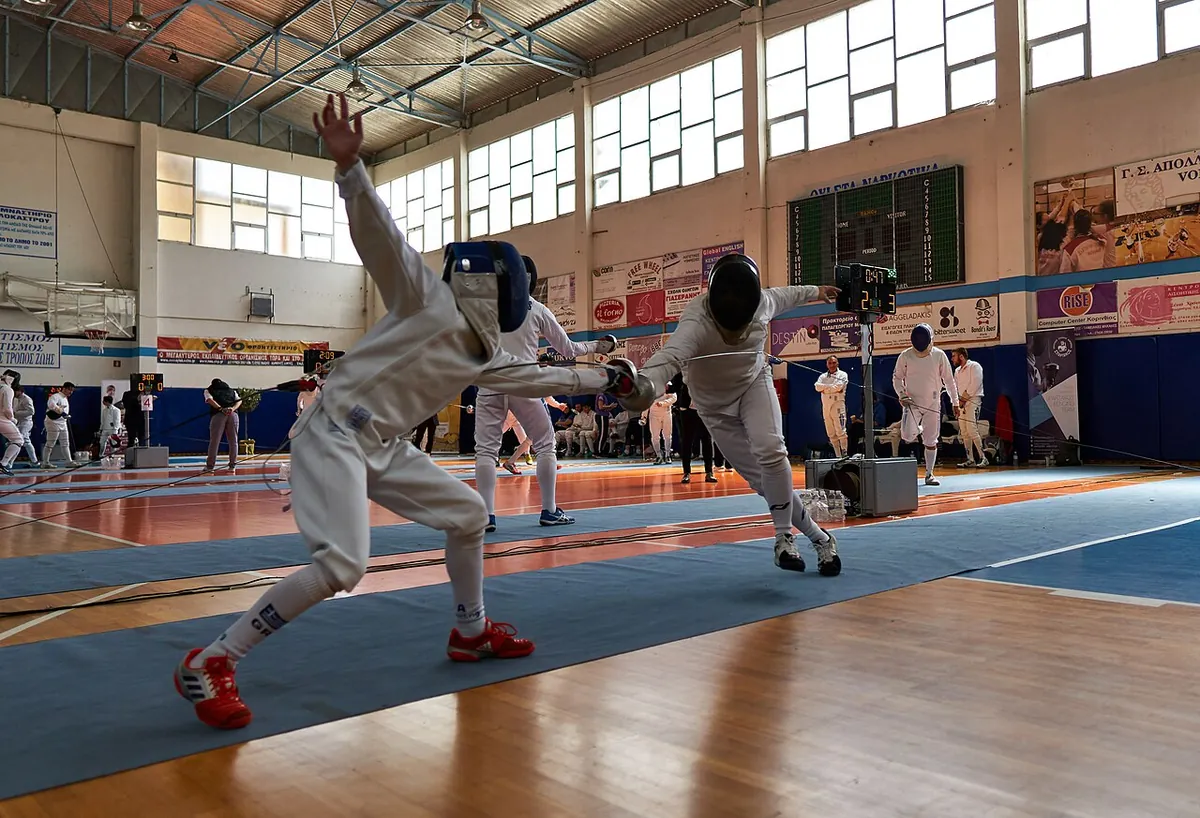
Common senior FIE team competitions use a relay structure, with the score accumulating towards a final target usually set at forty-five hits. The event regulations establish the precise format. A short-scoring leg or a large later recovery can both make sense once the inherited score and time conditions are understood.
Stage targets and time limits
Each leg has its relevant target and time limit. If time expires before the target is reached, the next leg continues from the existing score. A leg is therefore not always an independent five-hit bout. Identify the stage and cumulative gap first, then see how that particular pairing changes the overall situation.
Different team responsibilities
A fencer may be asked to protect an advantage, extend it or reduce a deficit. The final leg receives attention, but every earlier contribution remains in the score. A strong individual leg may not decide the contest, while a small loss can matter in a close finish. Evaluate the complete team sequence alongside each athlete's immediate task.
Assess the change rather than the final position
A fencer entering well behind may recover several hits while the team remains behind. Measure the gap at the beginning and end instead of judging only whether the team finishes that leg ahead. Likewise, preserving a lead can be a useful contribution. Inherited conditions make the individual performance interpretable.