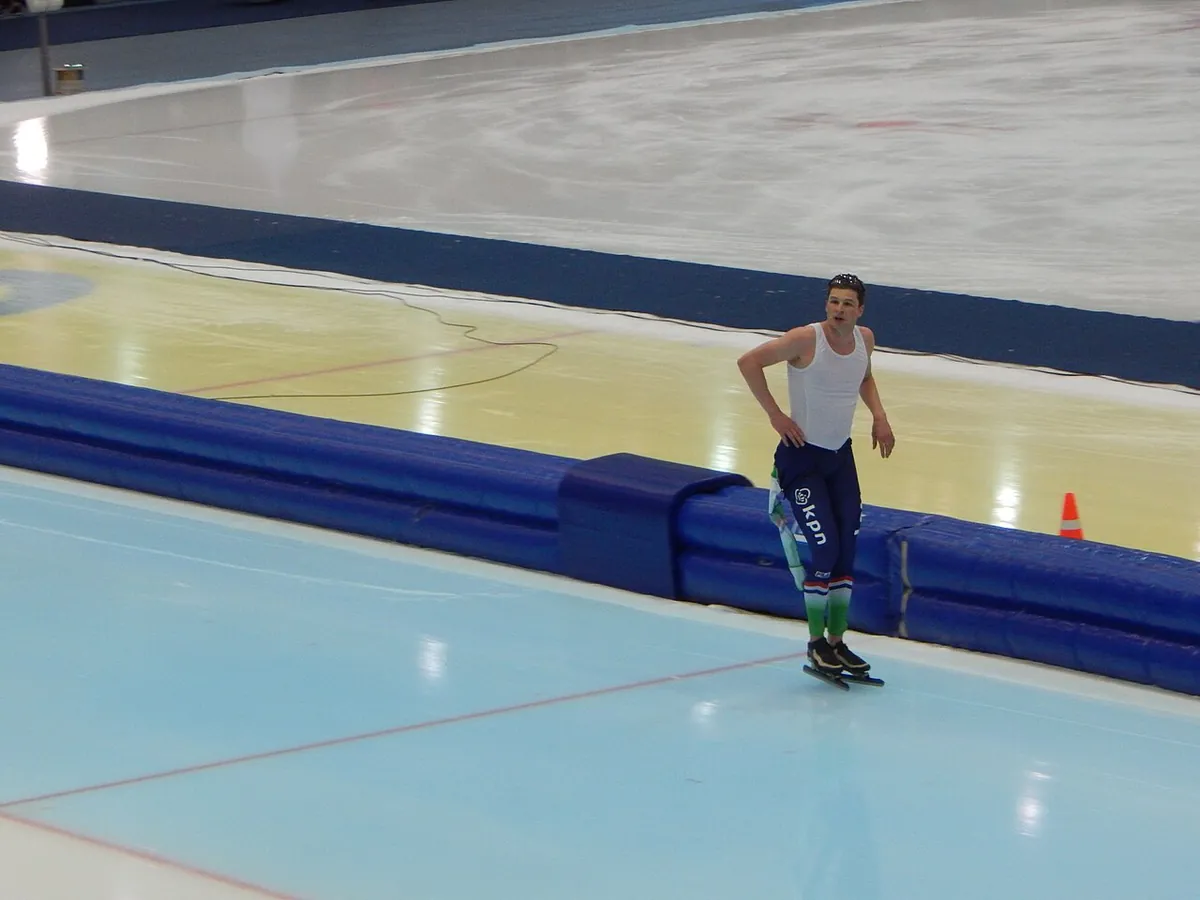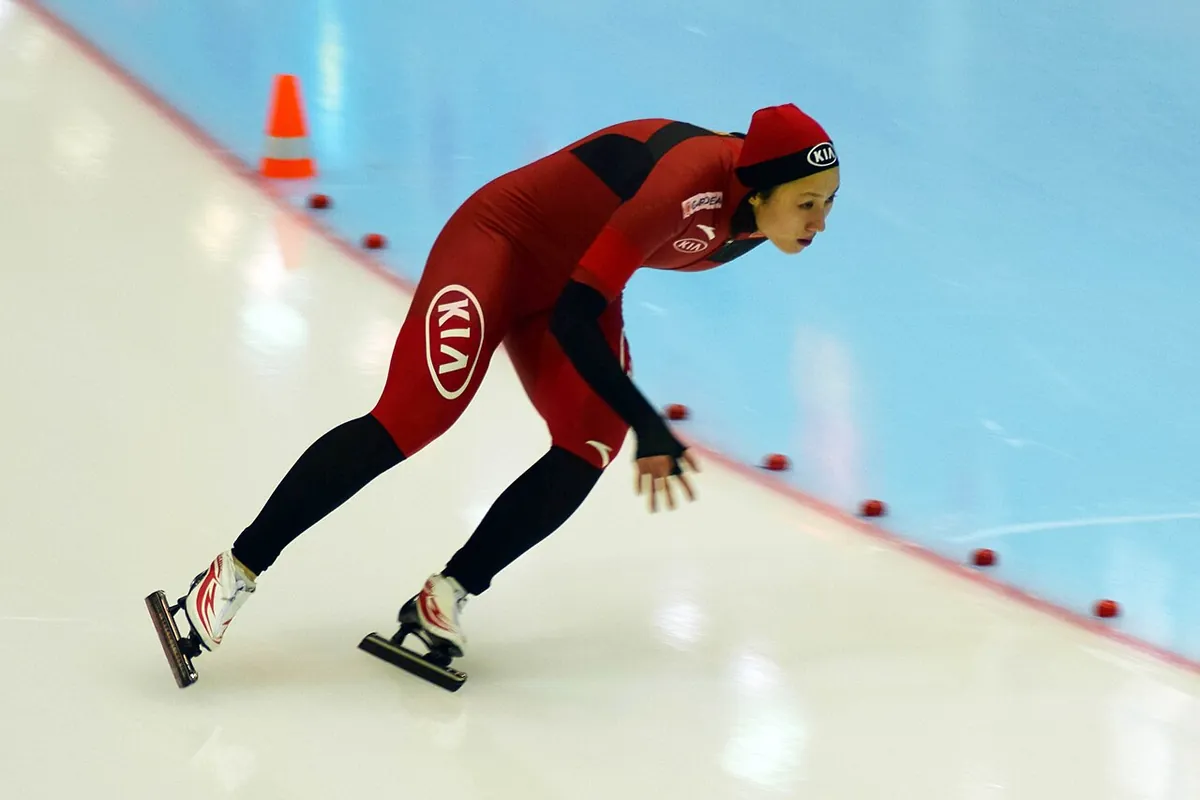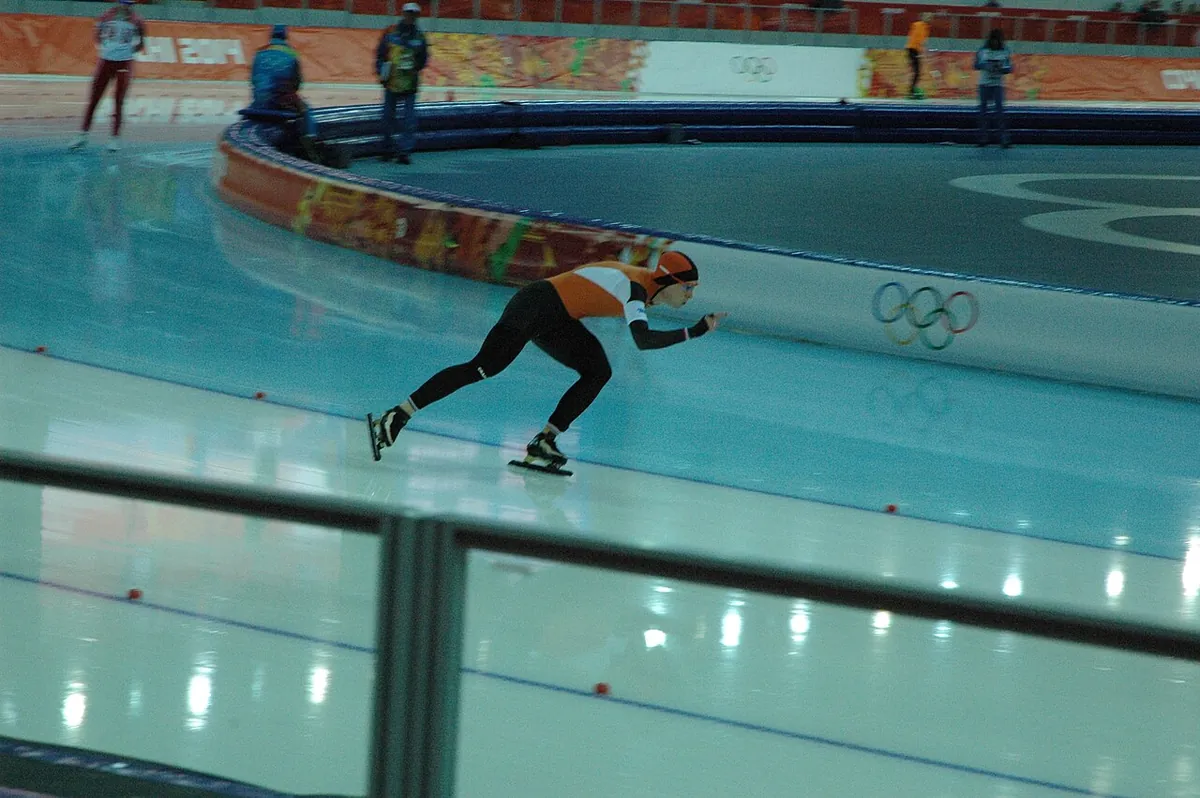
Dutch speed skater Ireen Wüst is a notable example of sustained performance in long-track skating. Her results across distances and Olympic cycles show that elite ability is not simply a single burst of speed. Technical efficiency, pacing and adaptation contribute together, making her career a useful introduction to the demands that remain less visible than a medal presentation.
From Turin to Beijing
Wüst won the women's 3000 metres at Turin 2006 and the women's 1500 metres at Beijing 2022, with gold medals at the intervening Olympic editions as well. Specifying events and years gives the career a clear framework without relying on a changing ranking label or a comparison with unrelated sports using different measures.
The middle-distance balance
The 1500 metres requires speed early in the race and the ability to preserve technique as fatigue develops. It cannot be approached purely as a short sprint or with an excessively conservative distance pace. Watch Wüst's lap times alongside her posture to see whether effective pushes continue as the effort becomes harder.
Longevity includes adjustment
Over many seasons, rink conditions, opponents and preparation all change. Consistency does not mean that every race follows exactly the same pattern. It means adapting repeatedly and executing effectively at important moments. Her achievements are better understood through the demands of different distances and settings than through a medal list considered in isolation.