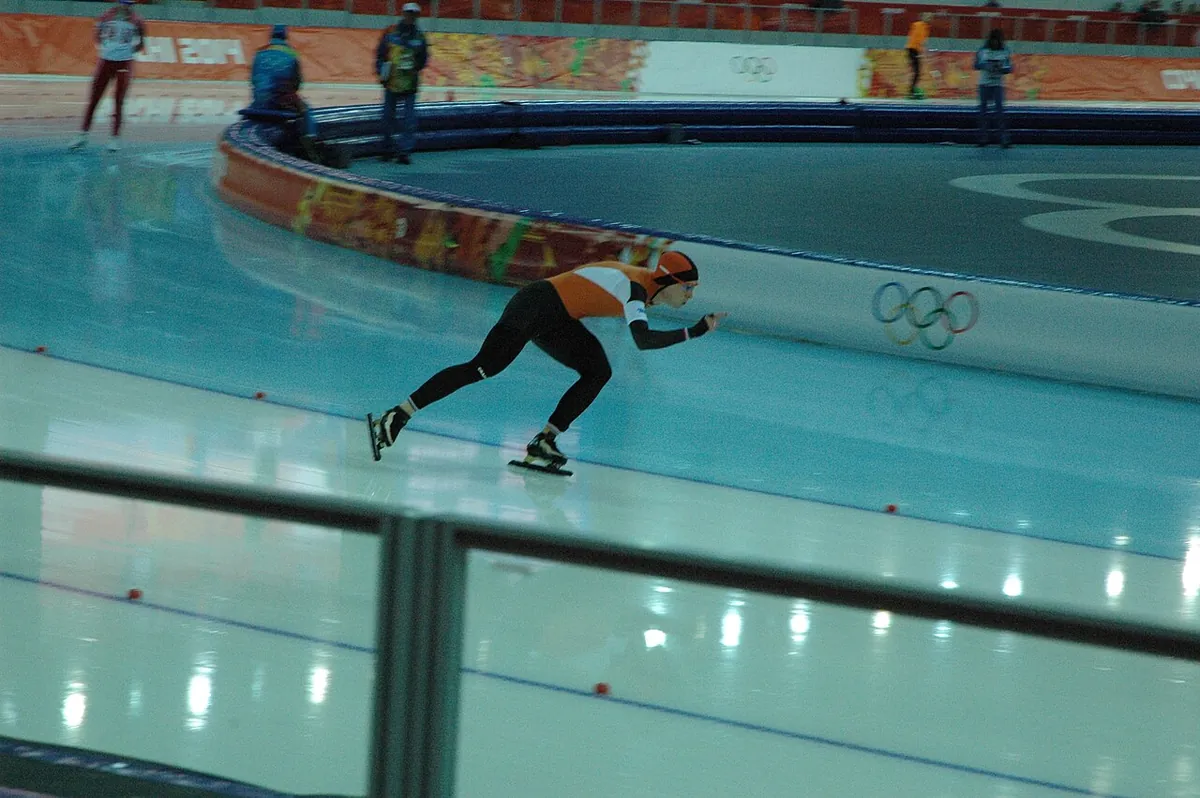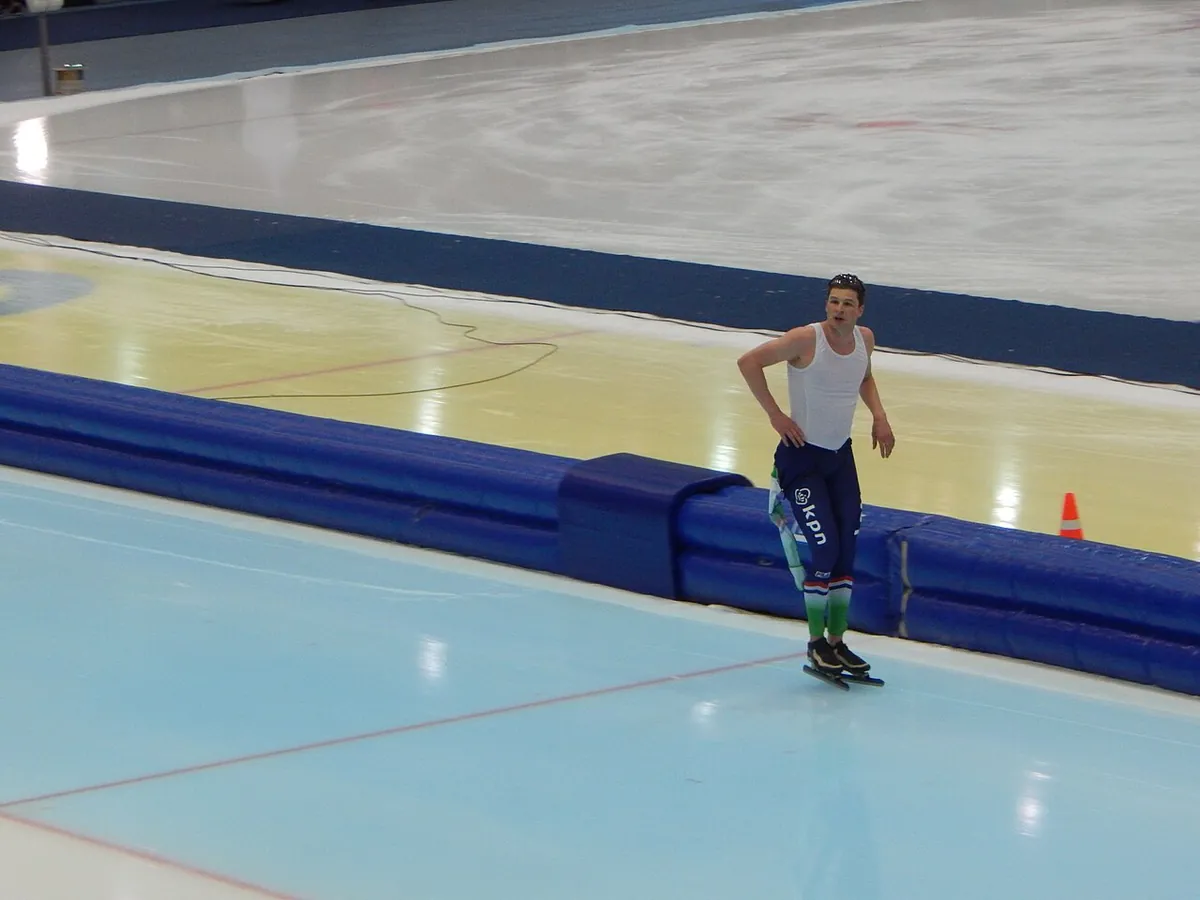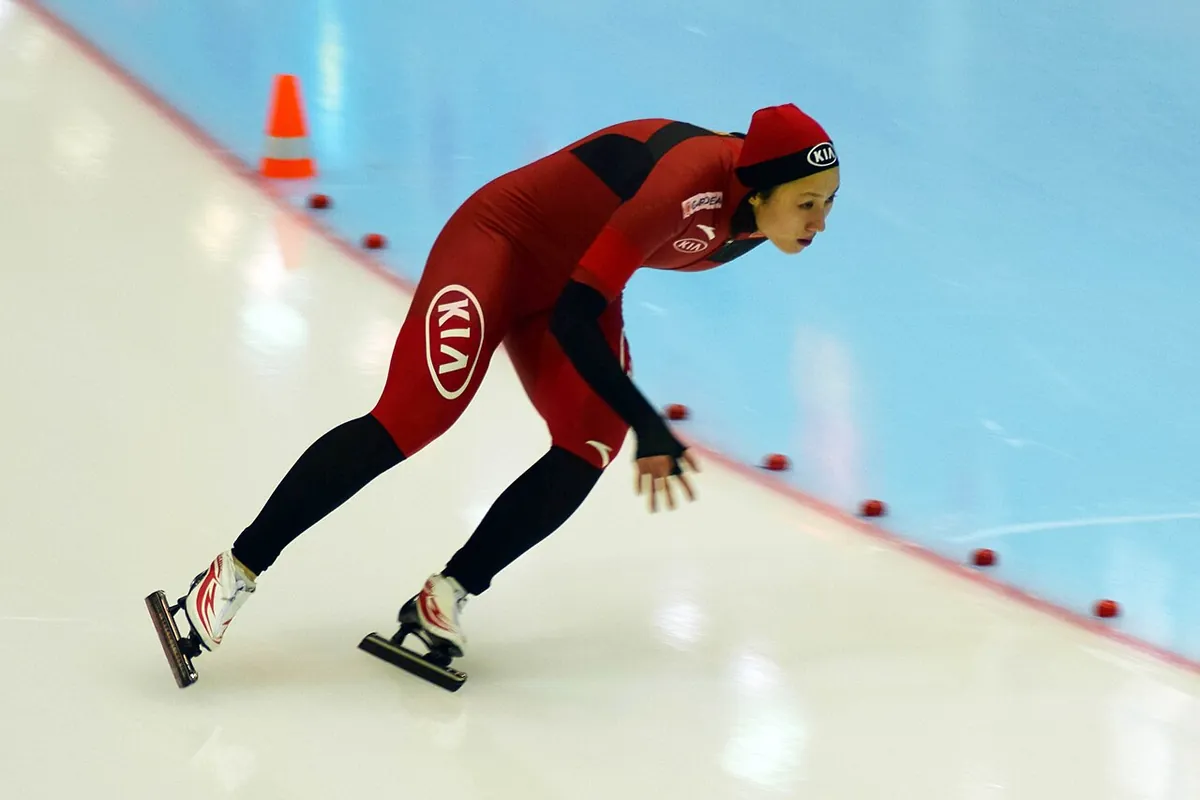
Chinese speed skater Zhang Hong produced an important Olympic result at Sochi. Her career also offers an introduction to the differences between long-track and short-track skating. Both involve racing on ice, but their tracks, competition structures and tactical priorities differ. Experience in one can help an athlete, yet it still needs substantial adaptation before becoming effective in the other.
The Sochi 1000 metres
Zhang won women's 1000-metre gold at the Sochi 2014 Winter Olympics, China's first Olympic gold in long-track speed skating. The long-track distinction is essential: China had already won Olympic short-track titles. Accurate event terminology preserves the particular historical significance of this achievement rather than merging separate disciplines into one record.
A race between sprint and endurance
The 1000 metres asks a skater to accelerate rapidly, establish speed and keep the technique effective as fatigue grows. Compared with a shorter sprint, pacing and technical continuity become more prominent. Watch the initial acceleration in Zhang's race, then follow whether the second half retains a strong, connected pushing action.
Transfer requires specialist work
Short-track and long-track skaters share balance and cornering foundations, but the long-track paired time-trial structure has its own rhythm and technique. Changing disciplines is not simply moving to a larger rink. Zhang's experience illustrates how common skills can provide a starting point while specific preparation and racing experience remain necessary.