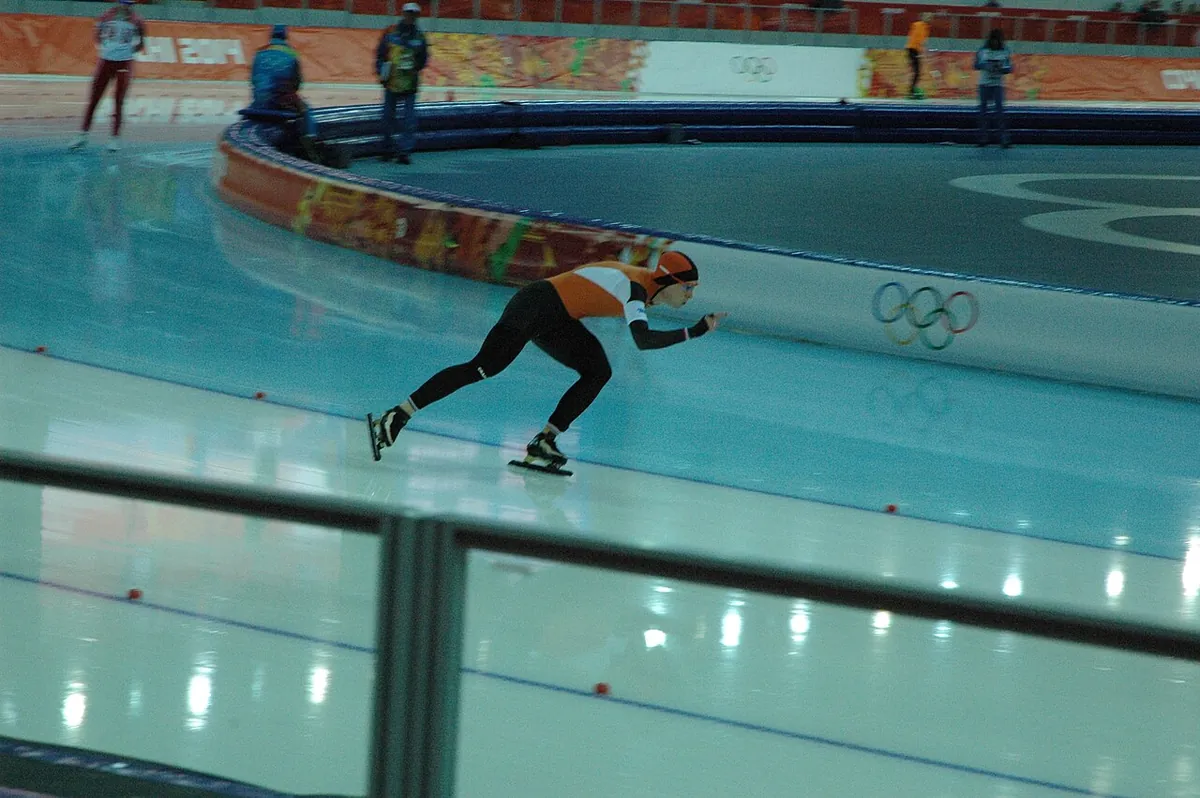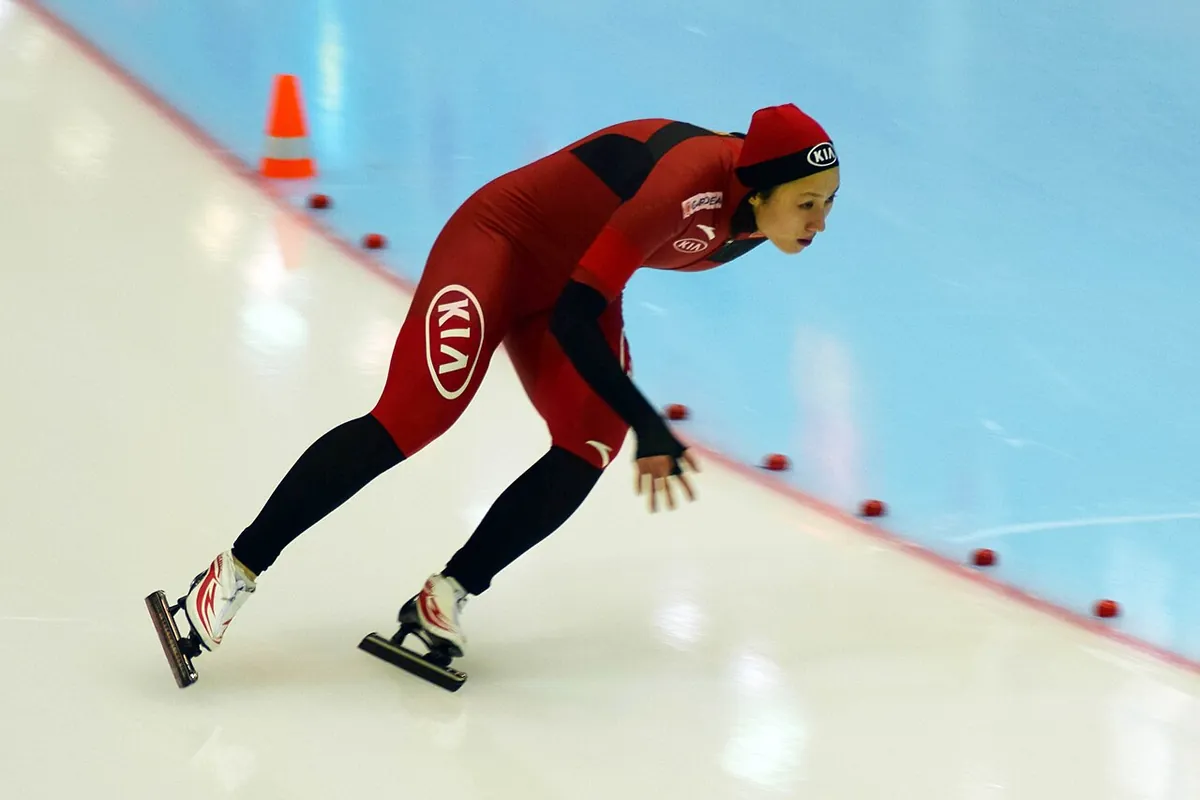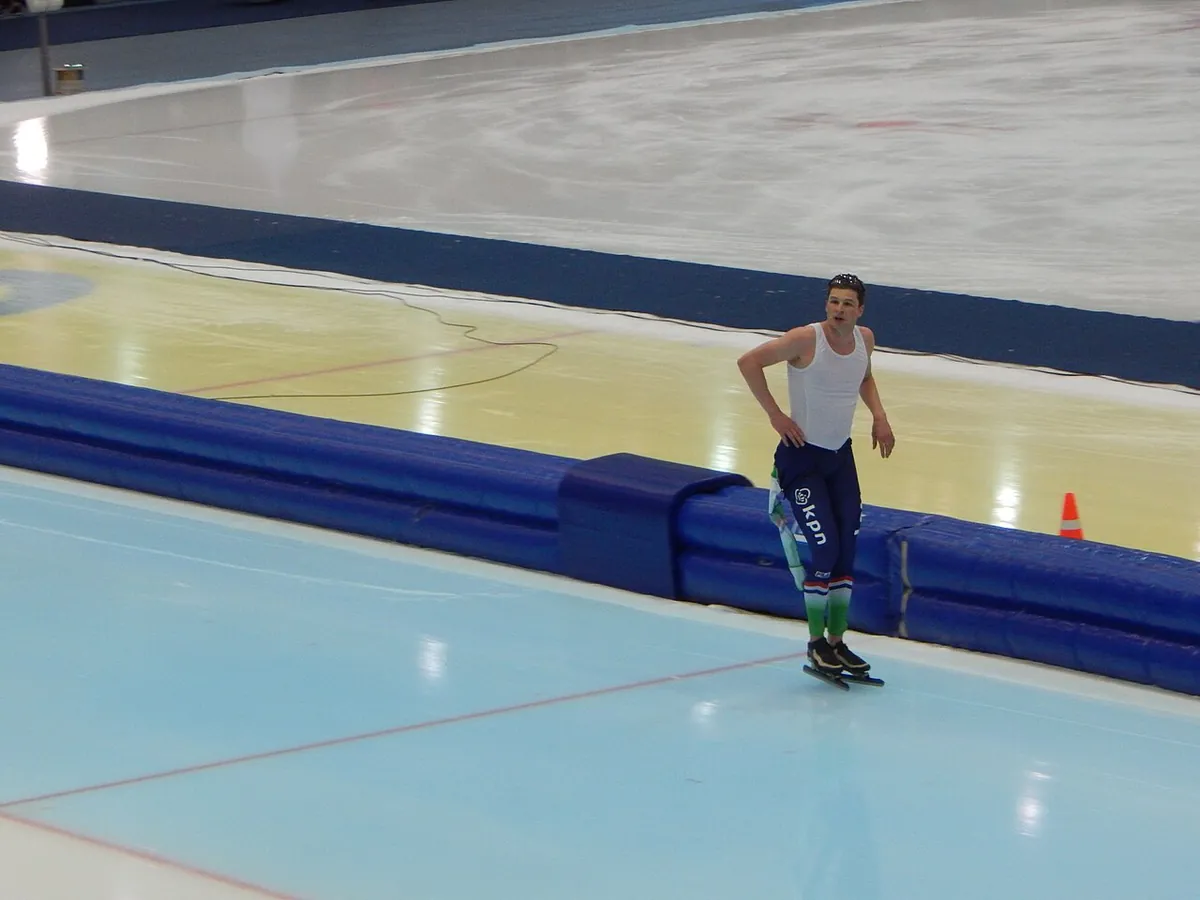
Dutch skater Sven Kramer is a prominent figure in men's long-distance speed skating. His races help explain why repeated laps are not merely repeated effort. Technique, rhythm and energy distribution must remain coordinated throughout the distance. A decisive advantage can emerge from a series of small, stable differences rather than a spectacular acceleration on the final lap.
Olympic success over 5000 metres
Kramer won men's 5000-metre gold at Vancouver 2010, Sochi 2014 and PyeongChang 2018. That sequence demonstrates sustained competitiveness within a specific discipline. Naming the distance matters in speed skating because the capabilities and tactical priorities of a sprint are not identical to those needed in a long-distance event.
The technique behind stable laps
Distance skaters maintain a low position and effective pushes for an extended period, with every weight transfer influencing energy use. In Kramer's races, observe whether the push remains complete late in the effort and whether the rhythm through bends matches the straights. Consistent lap times can reflect both efficient technique and a well-chosen pacing plan.
Execution includes the rules
At Vancouver 2010, Kramer lost his men's 10000-metre result after a lane-changing error. The incident demonstrates that the fastest recorded effort must still be a legal completion of the race. Lane decisions, communication and concentration are part of competitive execution, alongside the physical capacity to maintain speed.