 Speed Skating
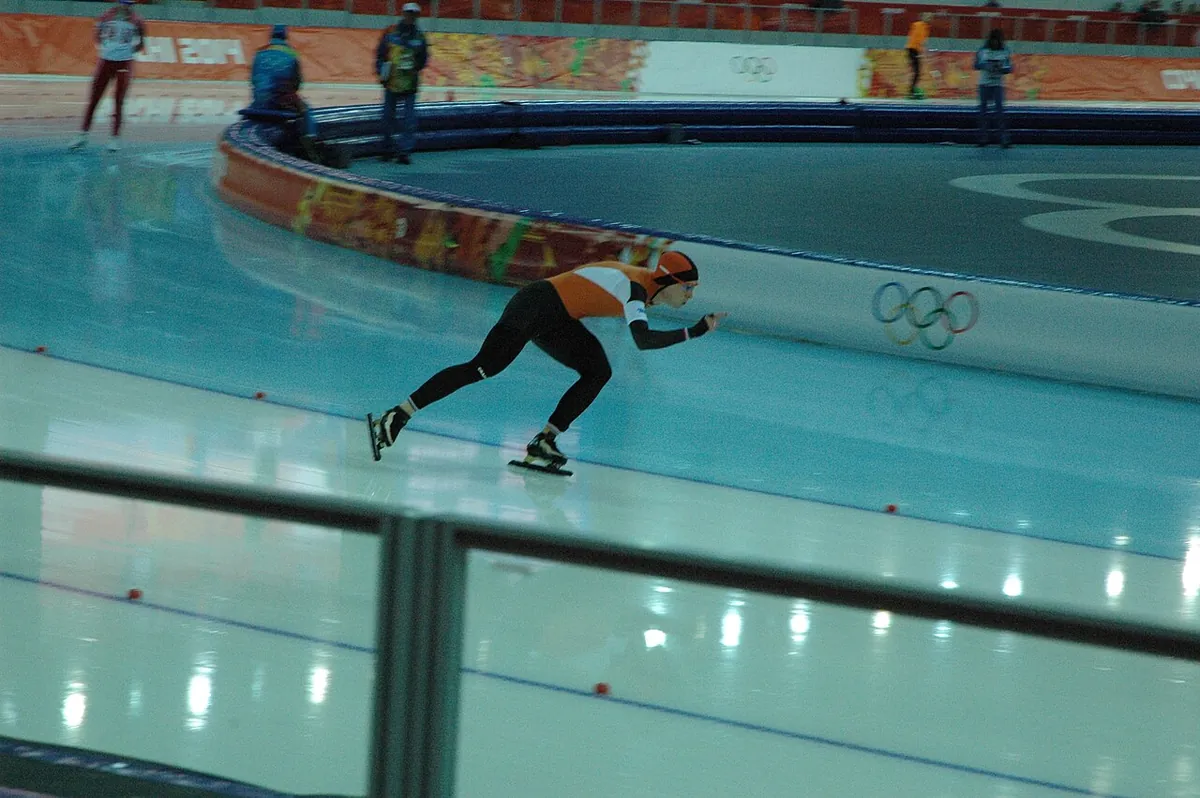
Ireen Wüst: Consistency Across Olympic Cycles
Wüst's achievements across distances and generations show how efficiency, pacing and adaptation support a long competitive career.
Speed SkatingWüst's achievements across distances and generations show how efficiency, pacing and adaptation support a long competitive career.
 Speed Skating
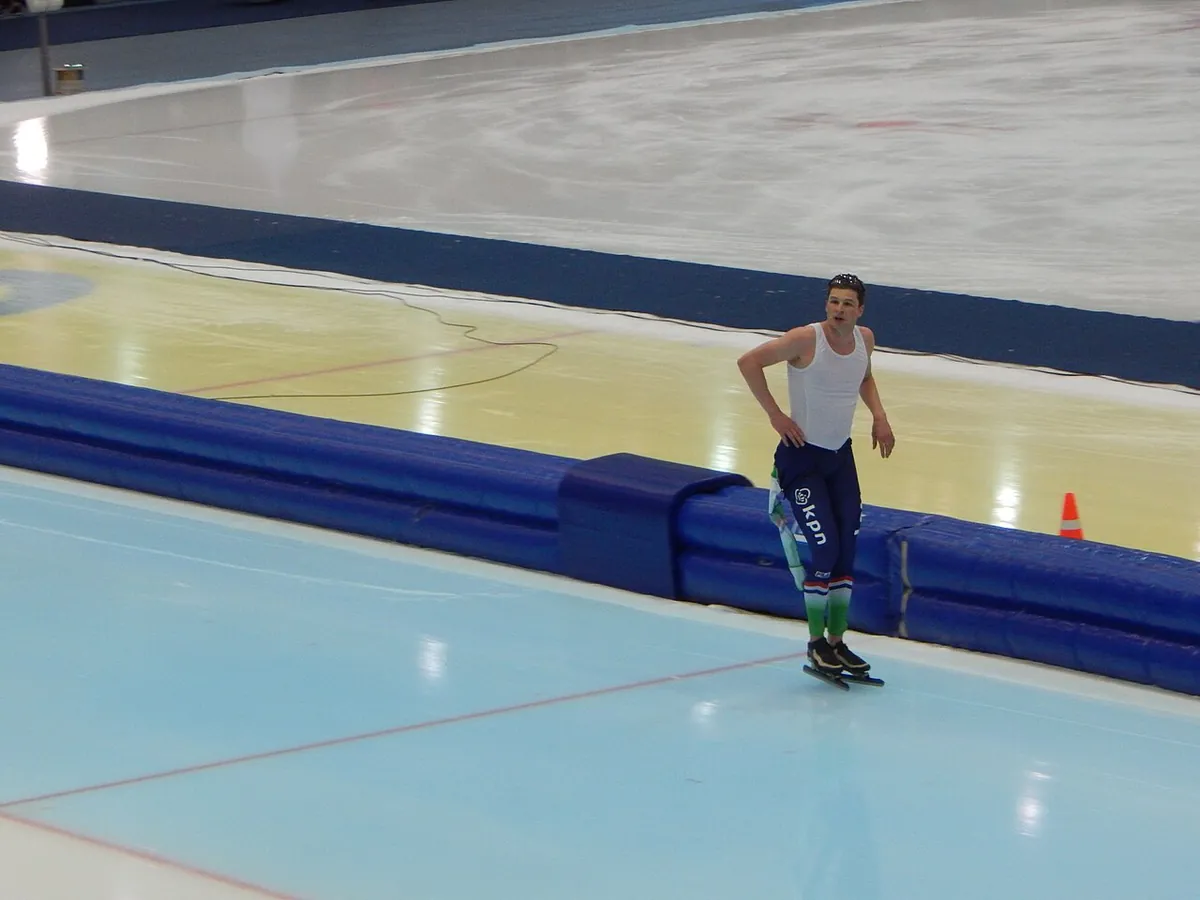
Kramer's long-distance races show how small, controlled advantages accumulate over many technically demanding laps.
 Speed Skating
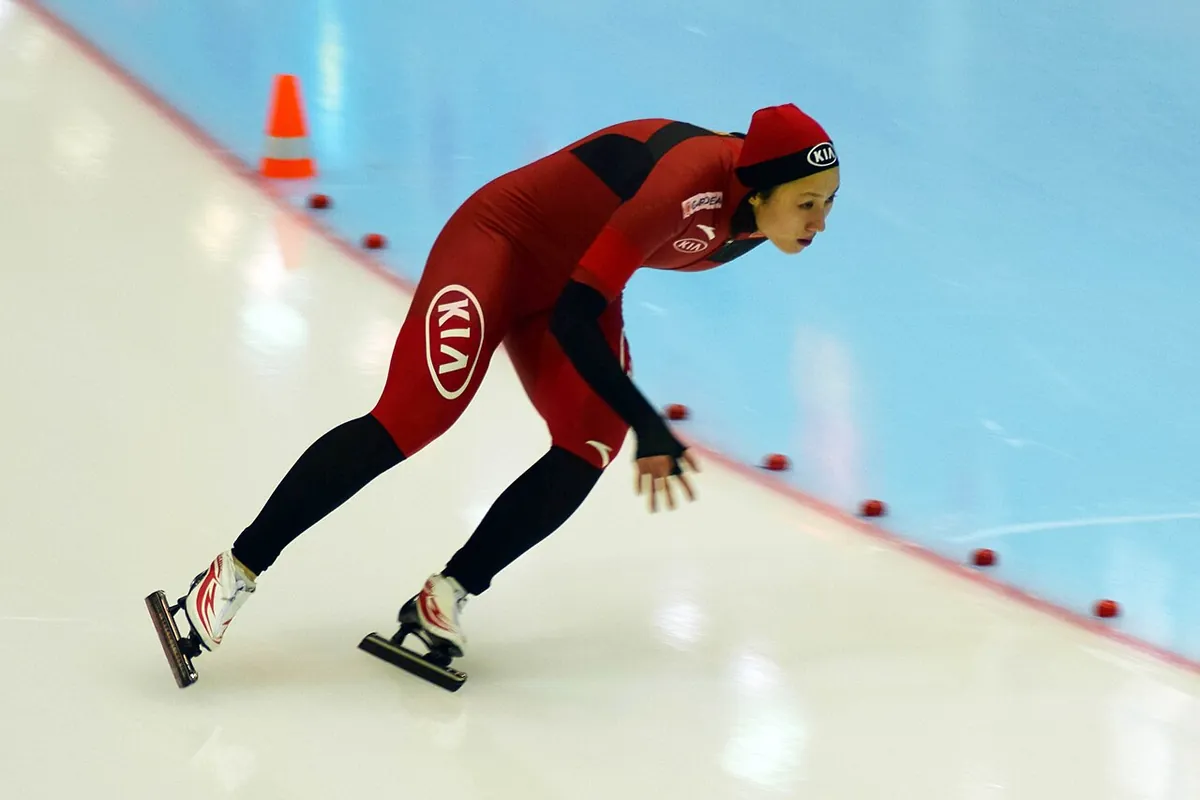
Zhang's Sochi gold is an opportunity to distinguish long-track speed skating from its short-track relative.
 Speed Skating
Lane changes balance the different distances of inside and outside bends and belong to the race's essential execution.
 Speed Skating
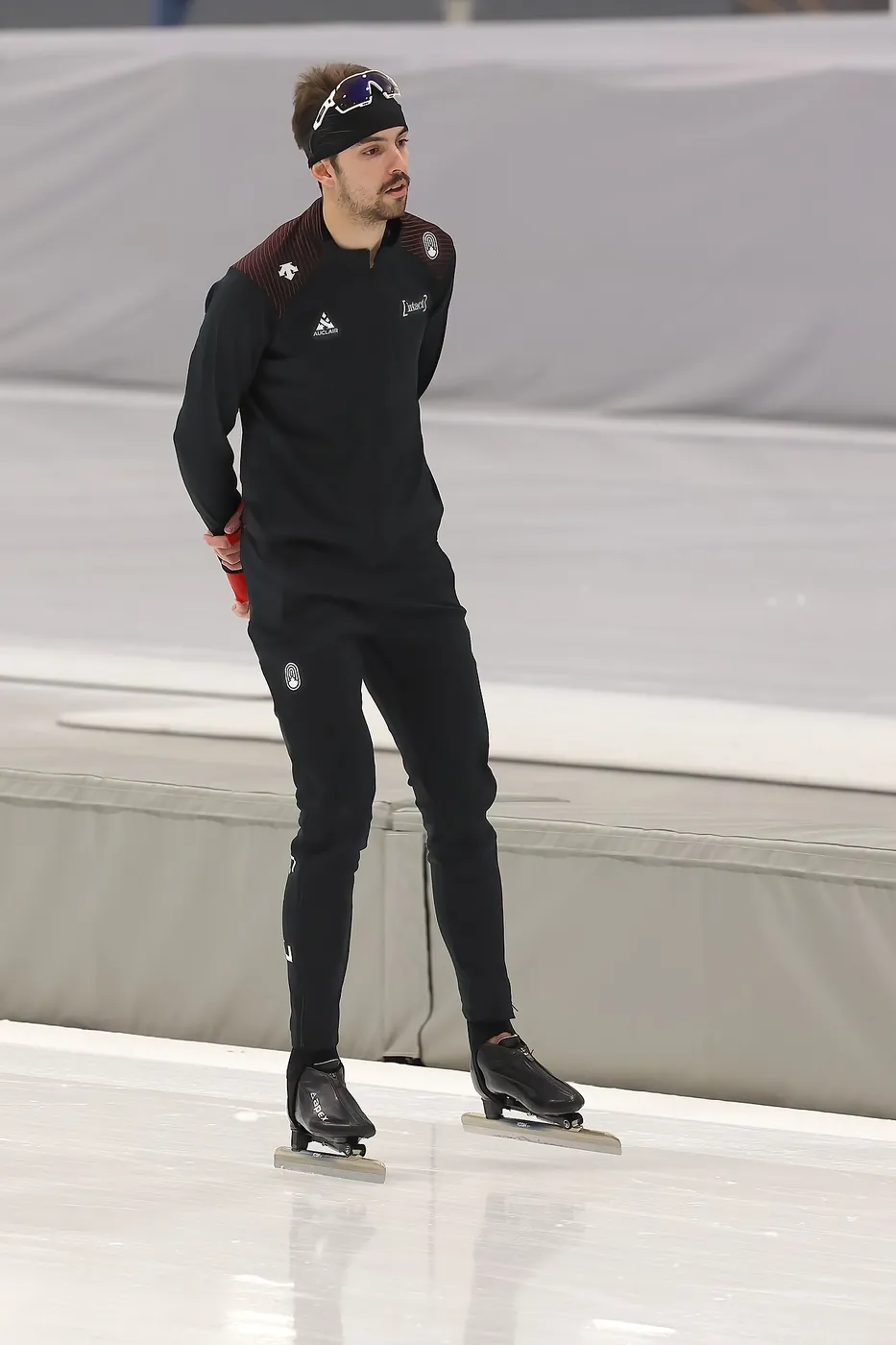
A short race still contains distinct technical phases, with each transition affecting the speed that follows.
 Speed Skating
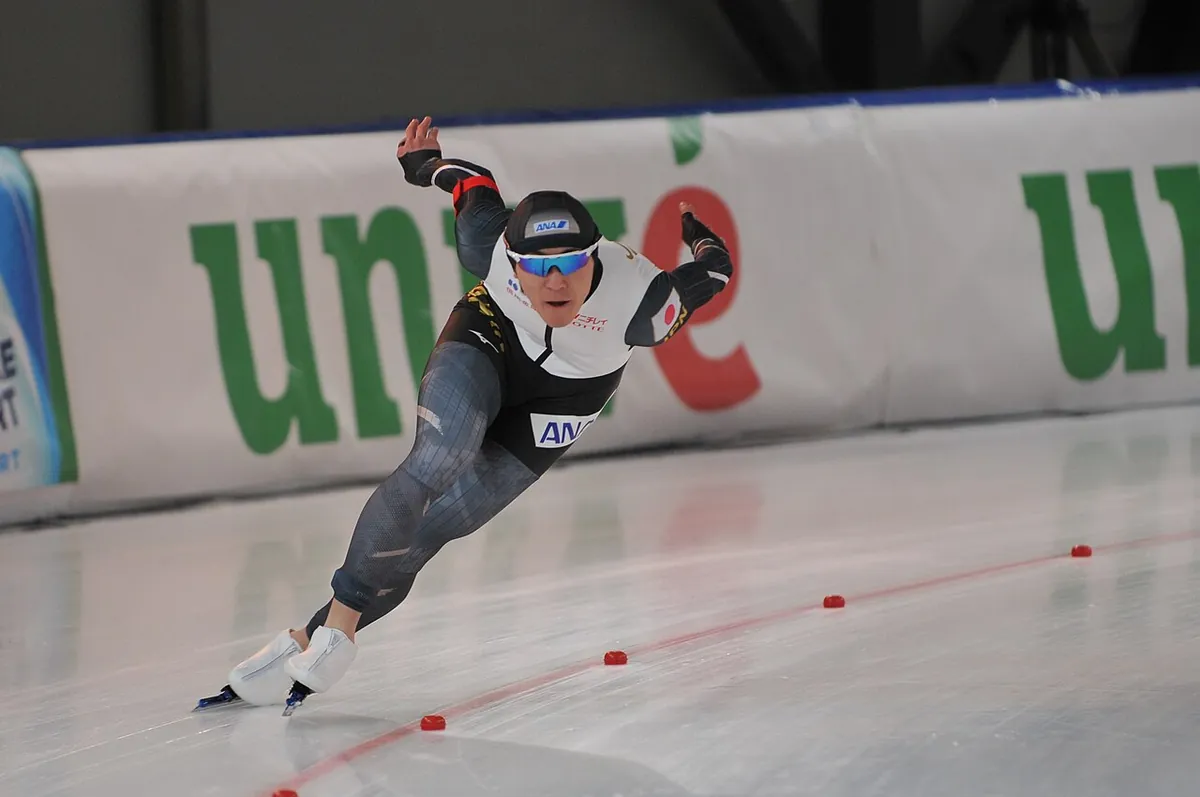
The central contest is maintaining effective technique at an ambitious pace, rather than simply leading at the first split.
 Speed Skating
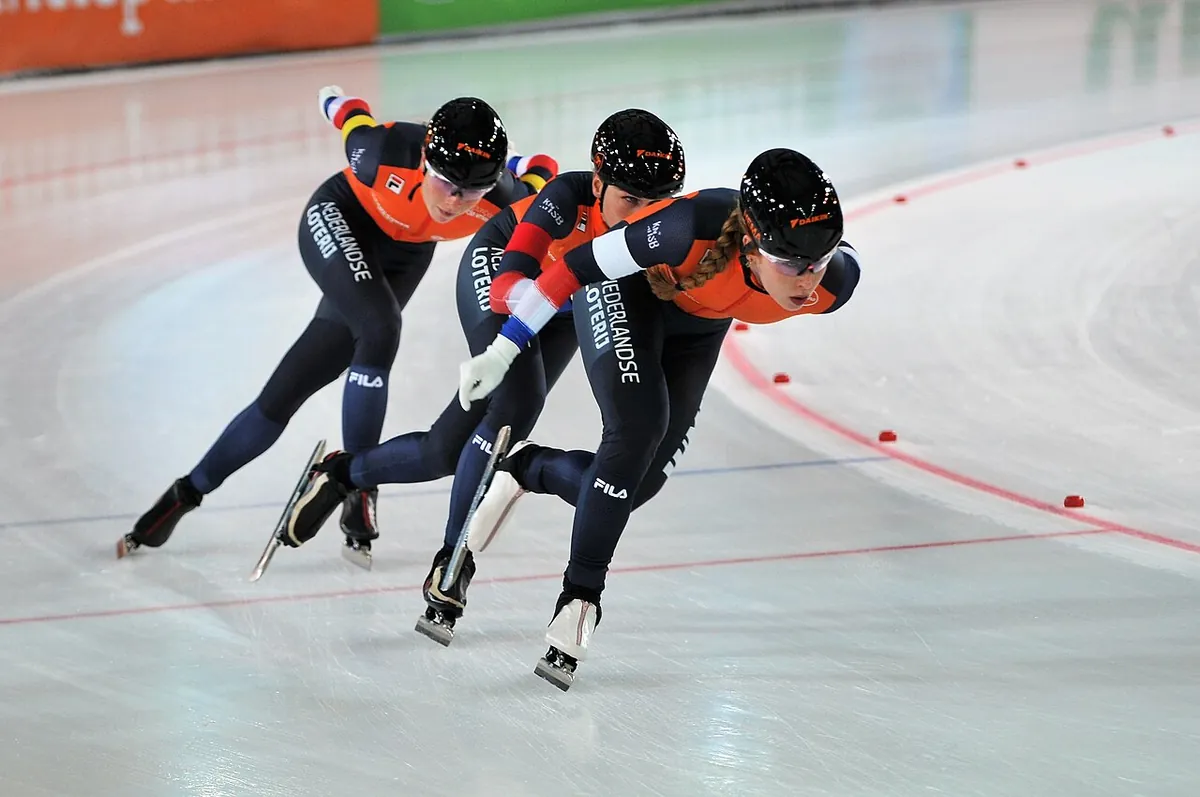
A fast team needs coordinated spacing and a pace that every member can sustain, not merely three strong individual times.
 Speed Skating
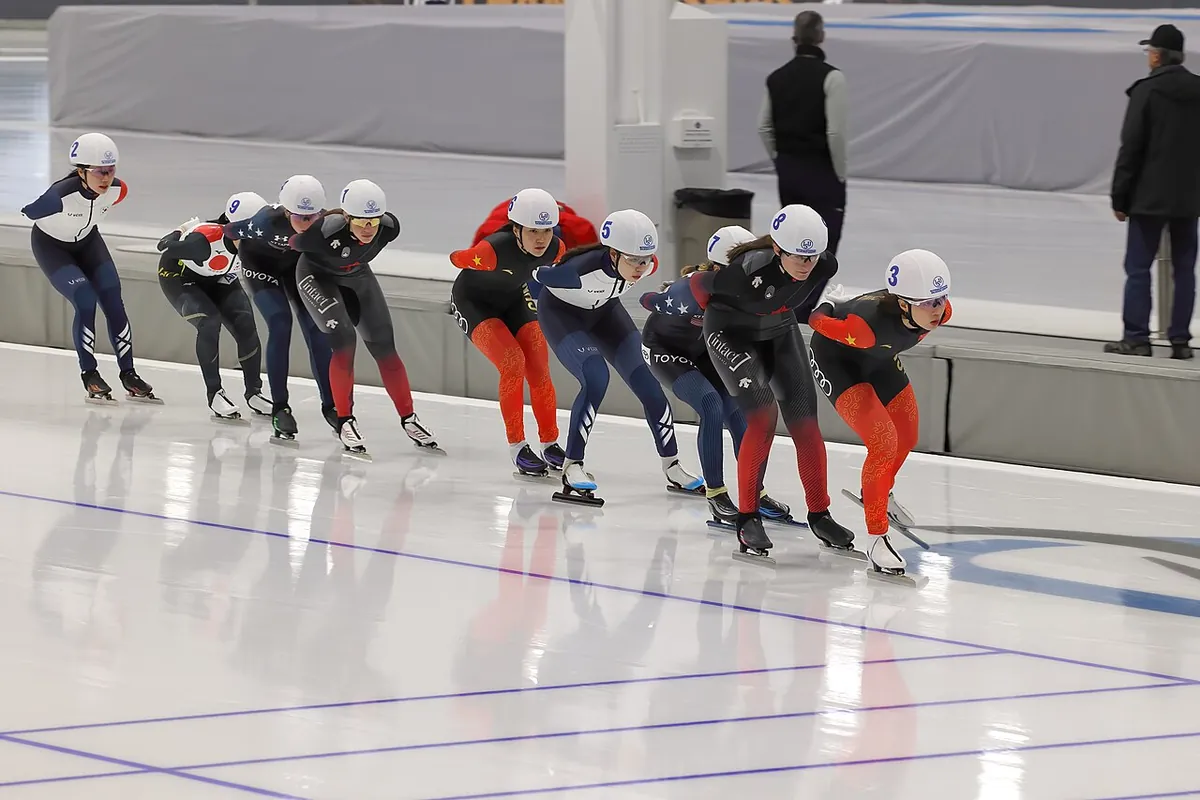
Shared ice, intermediate sprints and finishing positions create a different contest from paired time-trial racing.
 Speed Skating
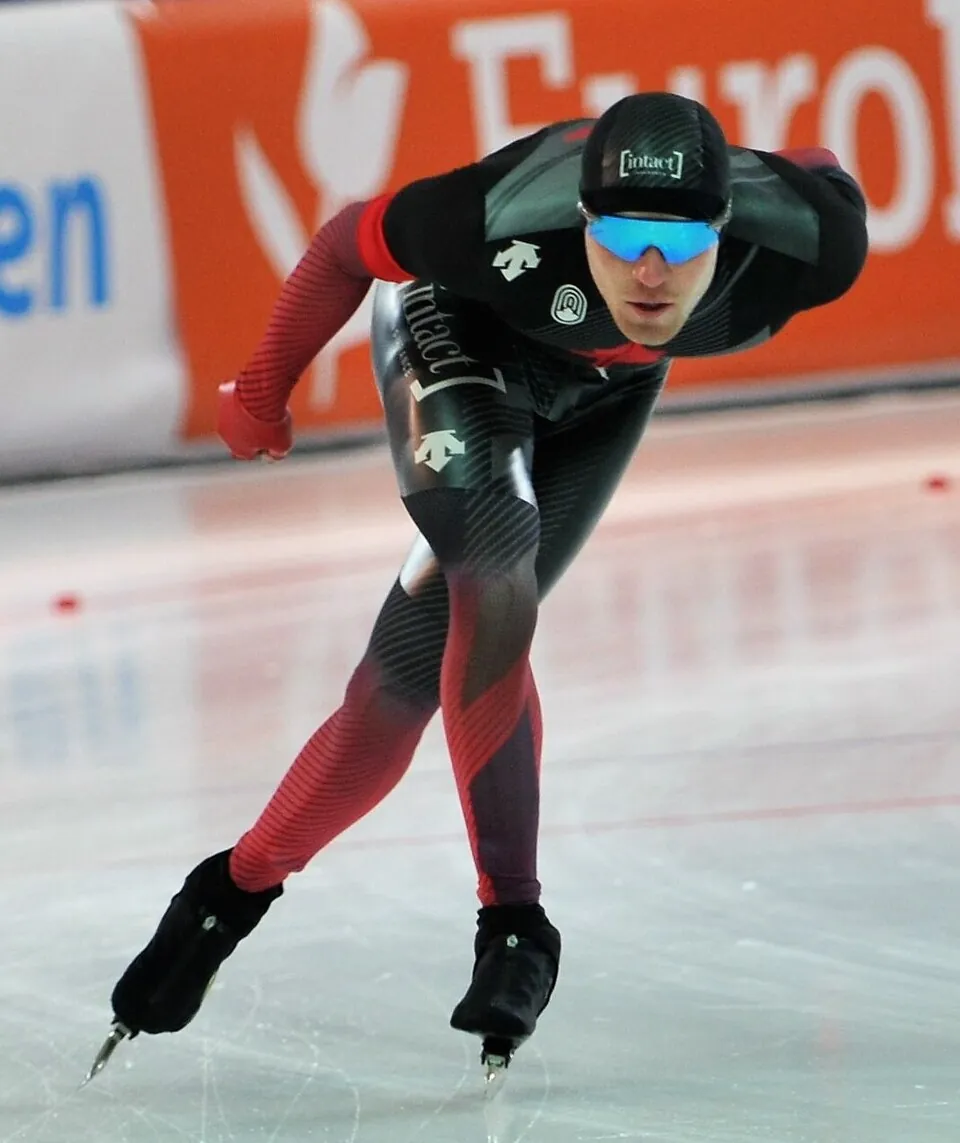
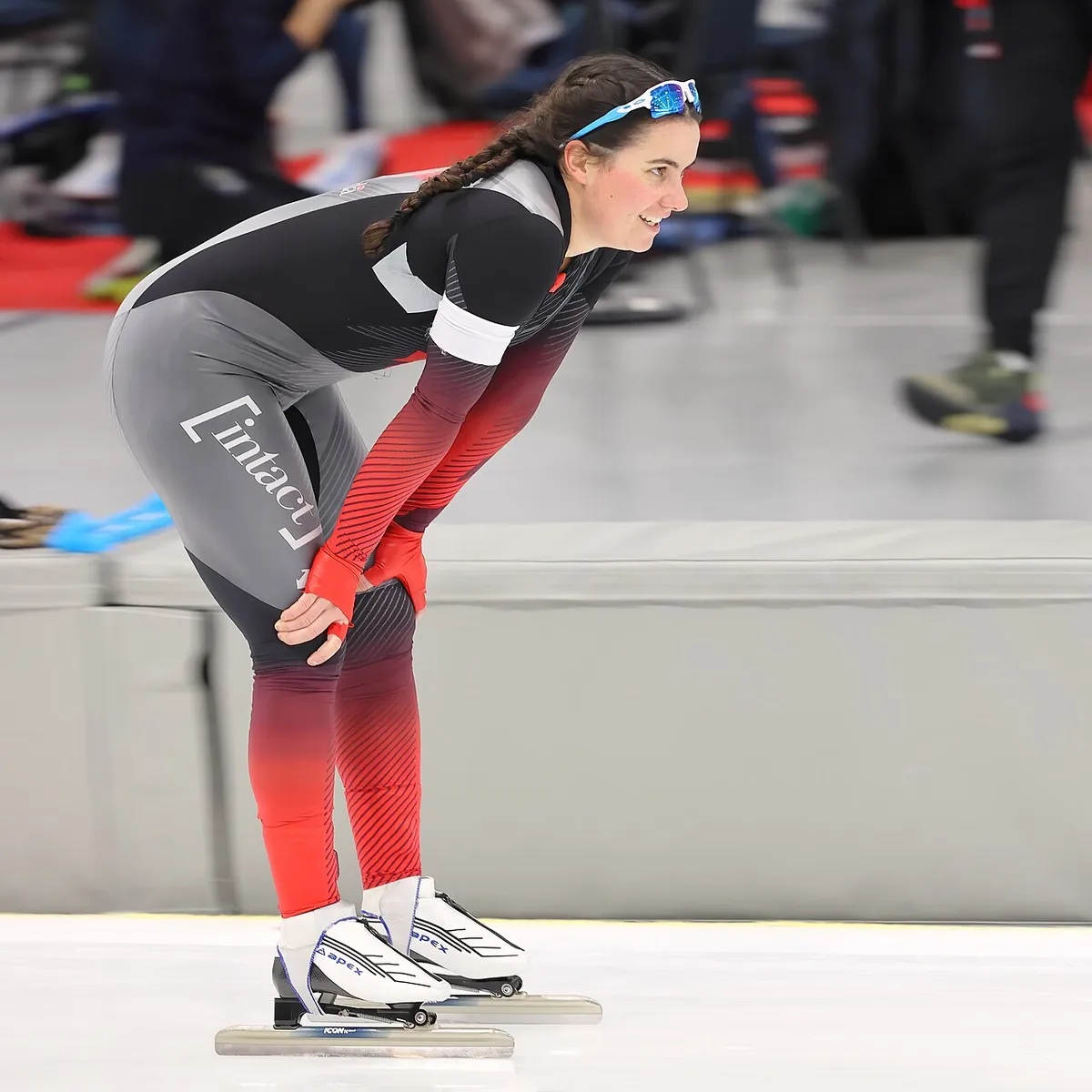
Long-track equipment and technique work together to convert repeated pushes into sustained forward speed.
 Speed Skating
The size of the track and the way results are decided separate two sports with shared ice-skating foundations.