Modern judo is closely associated with Jigoro Kano and the Kodokan tradition, alongside its international competition system. Etiquette and clear starting, pausing and ending commands organise the match. Historical values and contemporary regulations are connected, but a cultural principle is not a substitute for a specific scoring or technical rule.
How the procedure frames the action
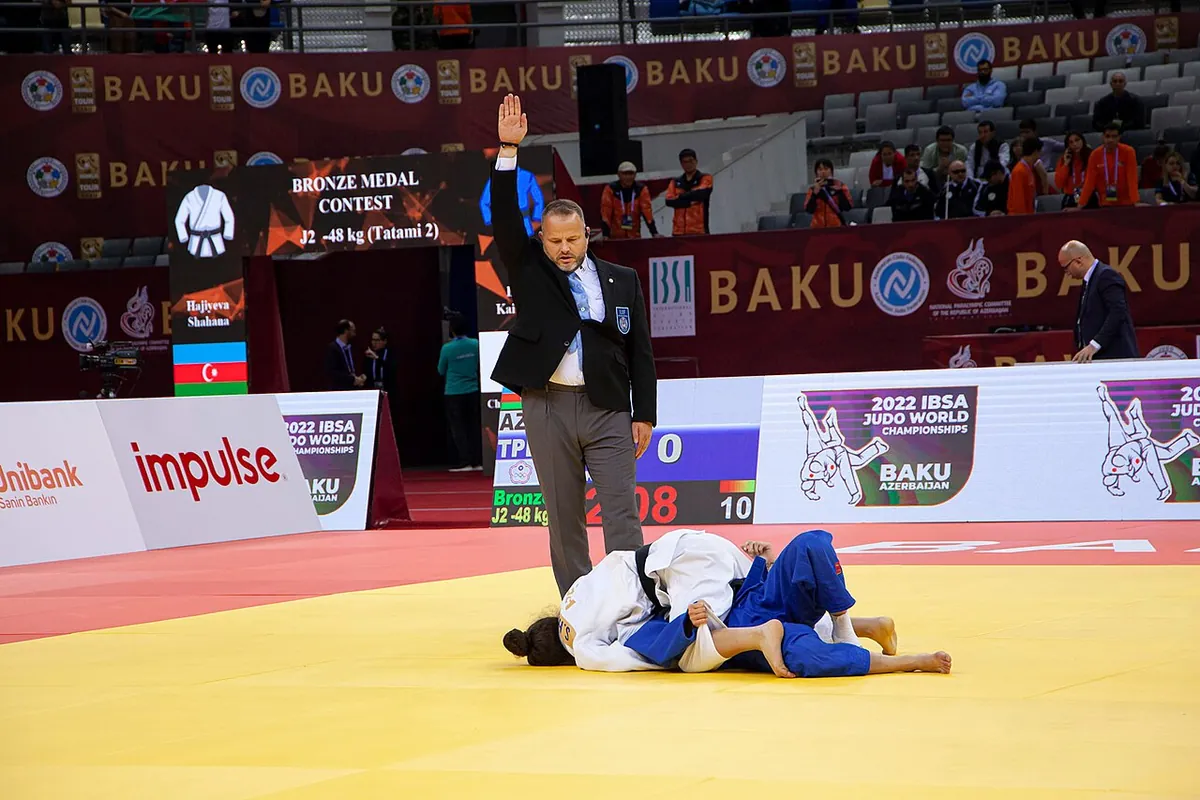
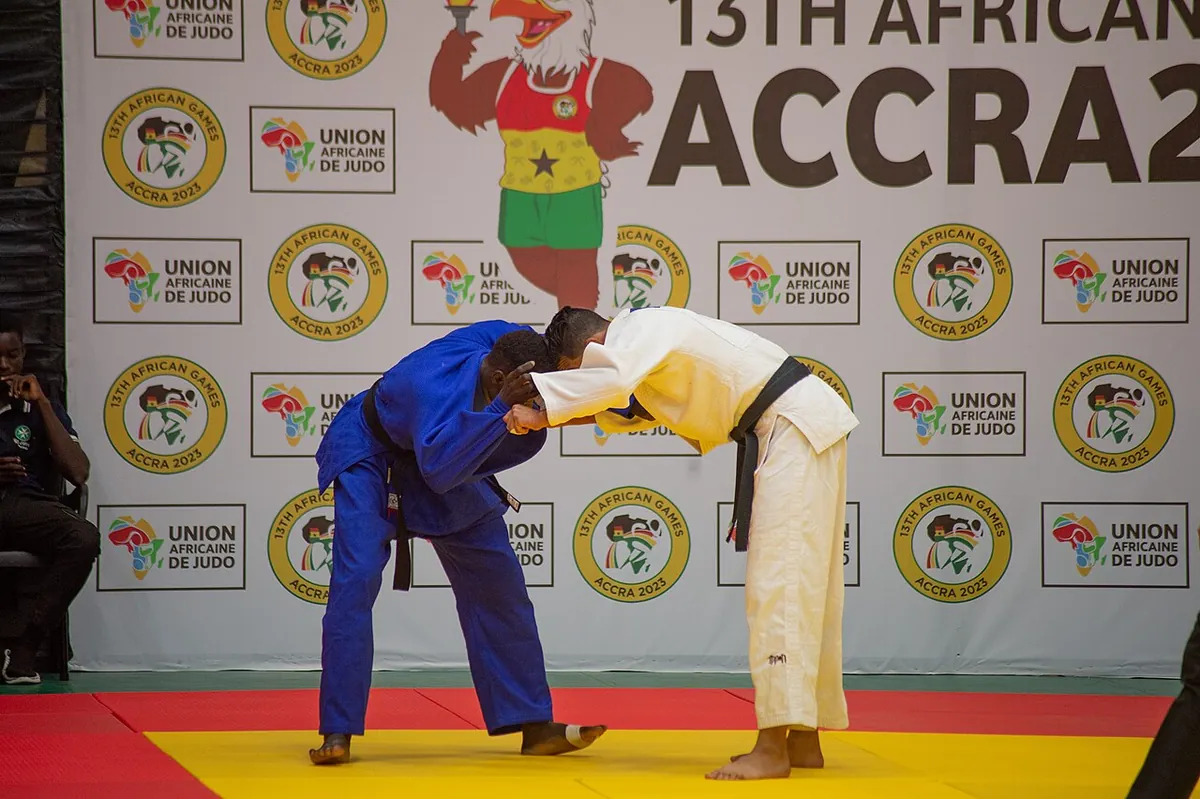
Acknowledgements on entry, before facing an opponent and after the result establish recognisable boundaries. Referee commands define when the athletes may compete or must pause. Continued body movement alone does not prove that the contest is still live. Understanding the procedure also explains requests to adjust the judogi or return to a designated position.
Tradition and modern adjudication
Judo's history values technical learning and personal development, while international competition also requires defined scores, categories and officiating processes. Regulations evolve, so a historical account cannot replace the relevant competition document. Appreciating the tradition and examining a formal decision are compatible activities that answer different questions about the sport.
Respect does not reduce intensity
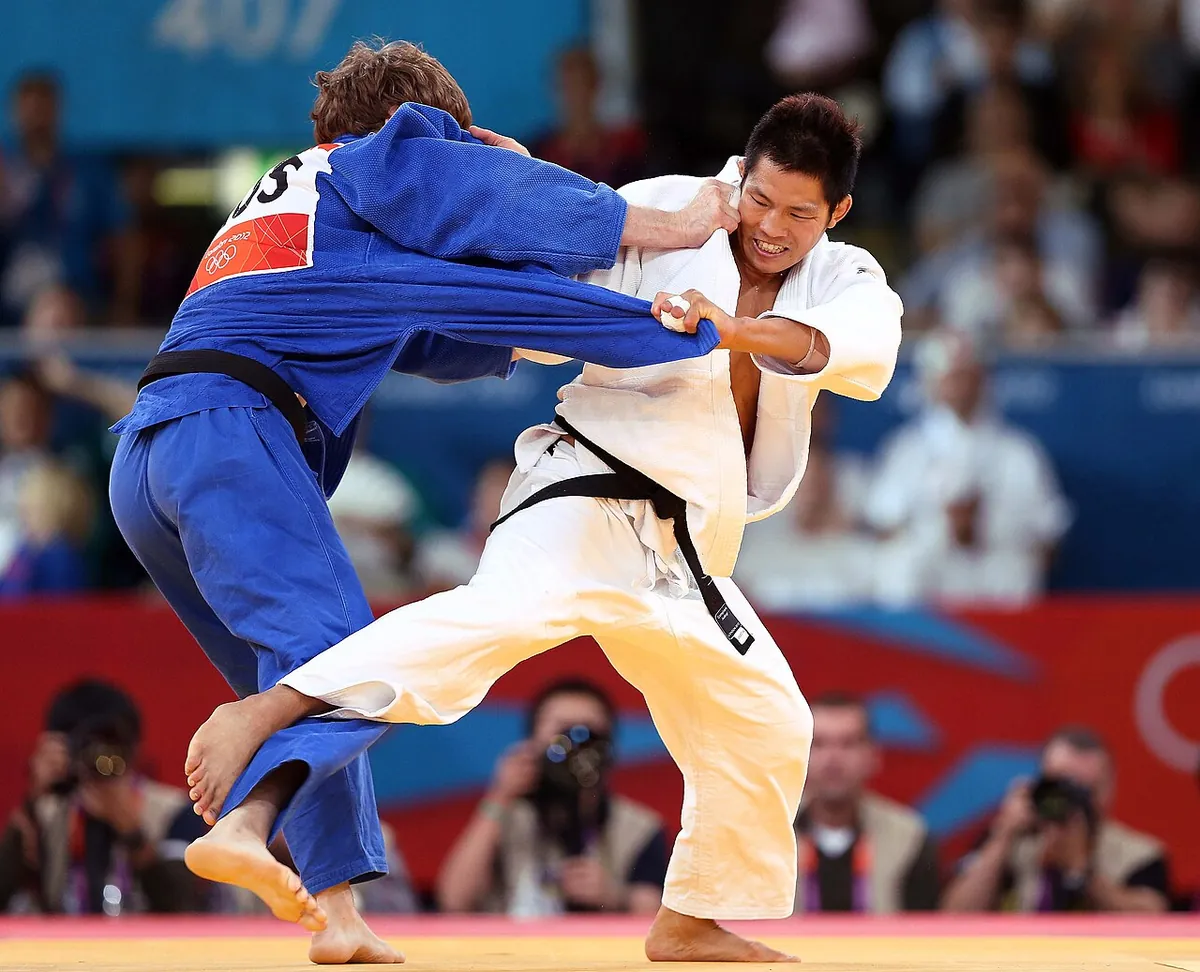
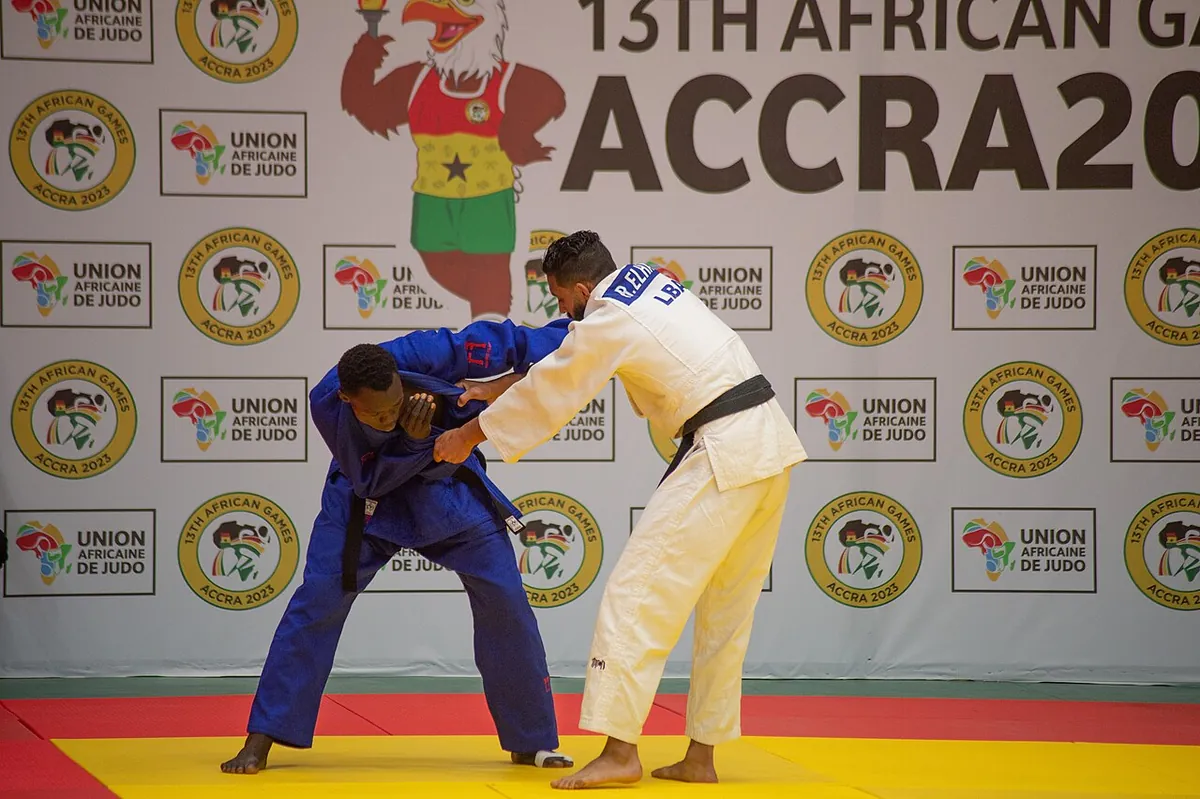
Athletes can contest grips vigorously and attack repeatedly while still observing the procedures at pauses and the finish. Etiquette sets boundaries rather than requiring passive competition. A post-match acknowledgement should not automatically be read as agreement with every judgement made during the bout. Cultural context and the technical assessment each retain their own purpose.