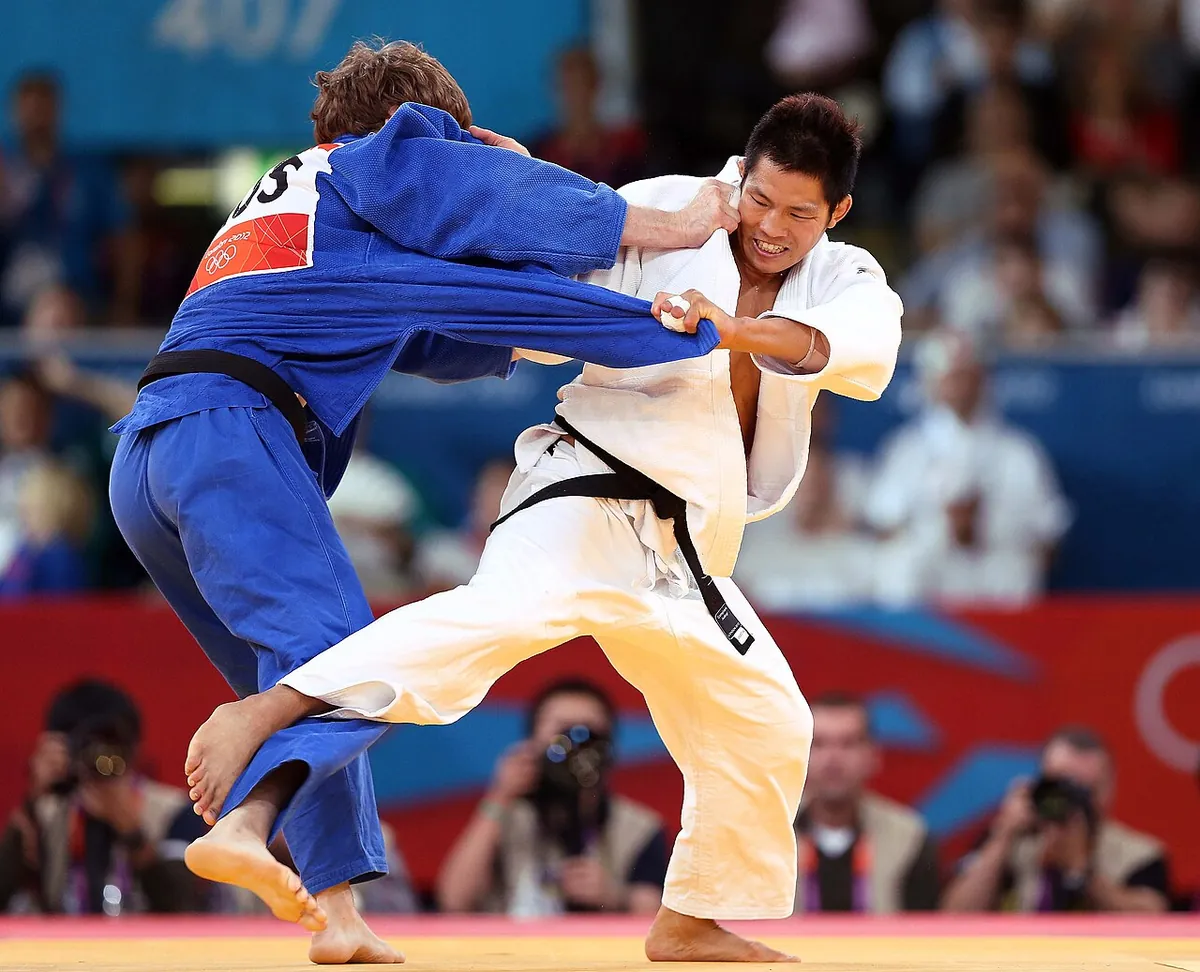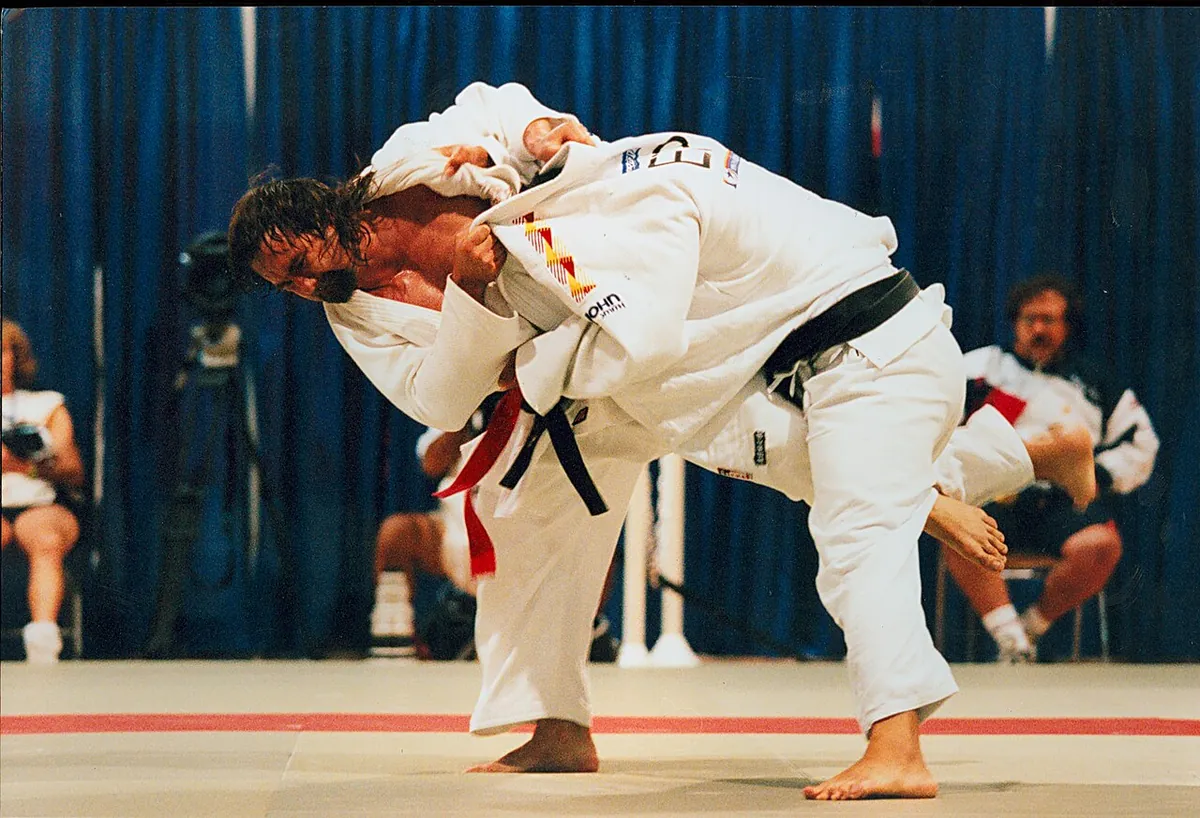
This guide concerns the International Judo Federation framework. Ippon and waza-ari are central concepts, while the cycle beginning in 2025 reintroduced yuko. Detailed interpretations can change. Contemporary and historical contests must therefore be read using their applicable rules rather than treating an older two-score explanation as permanent.
Throwing quality determines the assessment
Officials consider factors including speed, force, control and the landing. A spectacular airborne action does not automatically meet every condition for ippon, while a less dramatic movement can still have the required quality. Follow the whole action from execution through landing, especially the control, instead of assessing only how high the opponent leaves the mat.
The levels are not freely interchangeable
Ippon ends the contest, and two waza-ari combine to make ippon. Yuko cannot simply be accumulated like decimal fractions until they automatically become waza-ari. The score hierarchy and relevant conditions determine the result. Read the separate display fields and the contest phase, rather than adding every visible number to decide who leads.
Historical terms need historical definitions
Older footage can use scoring categories or interpretations different from those in a current event. Even a familiar term may have changed in detail. Establish the year and rule source before analysing the landing. Today's calculation should not be imposed retrospectively to overturn an official result reached under a different contemporary system.