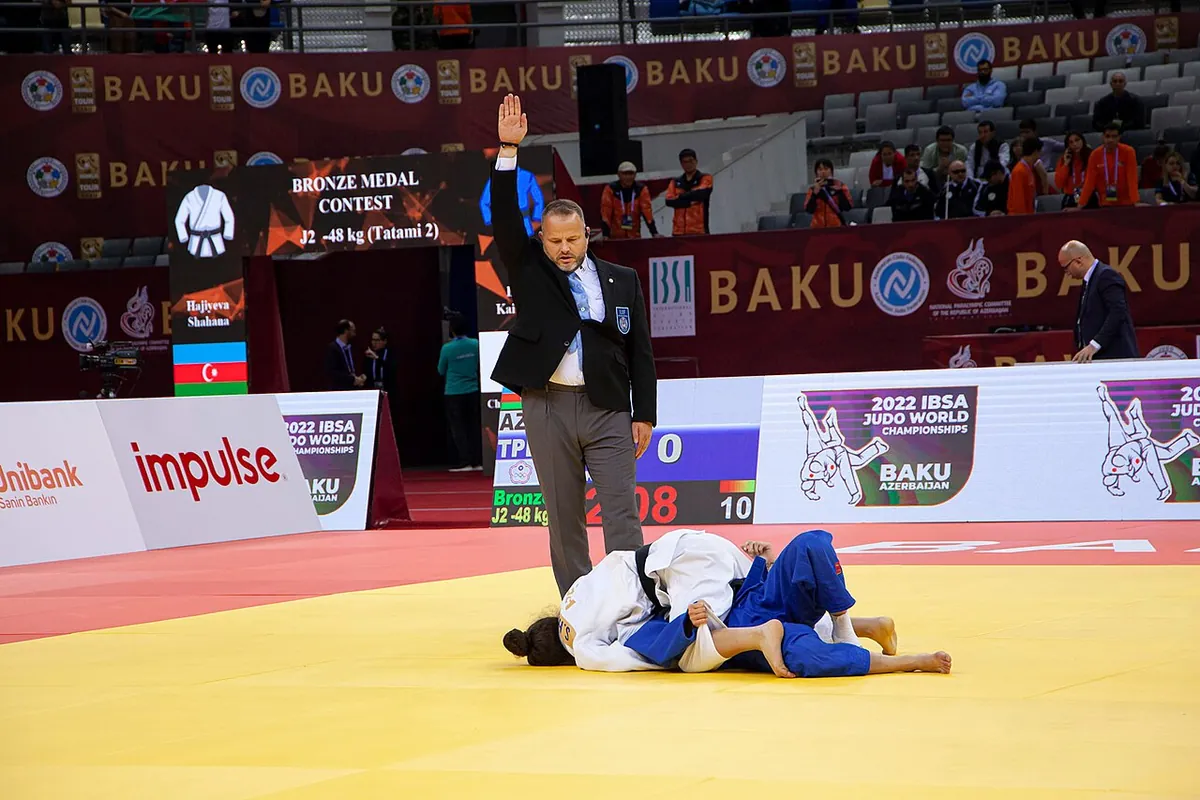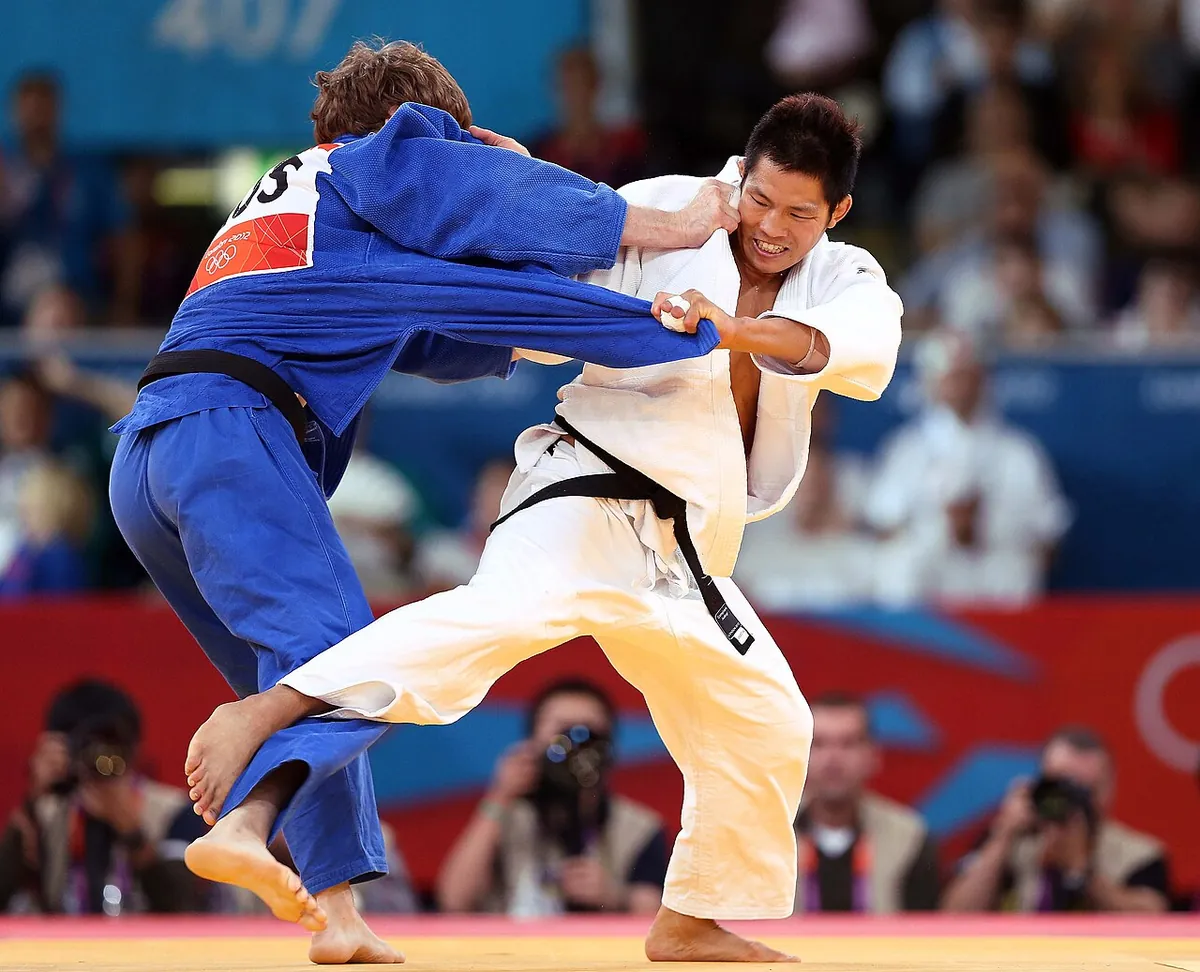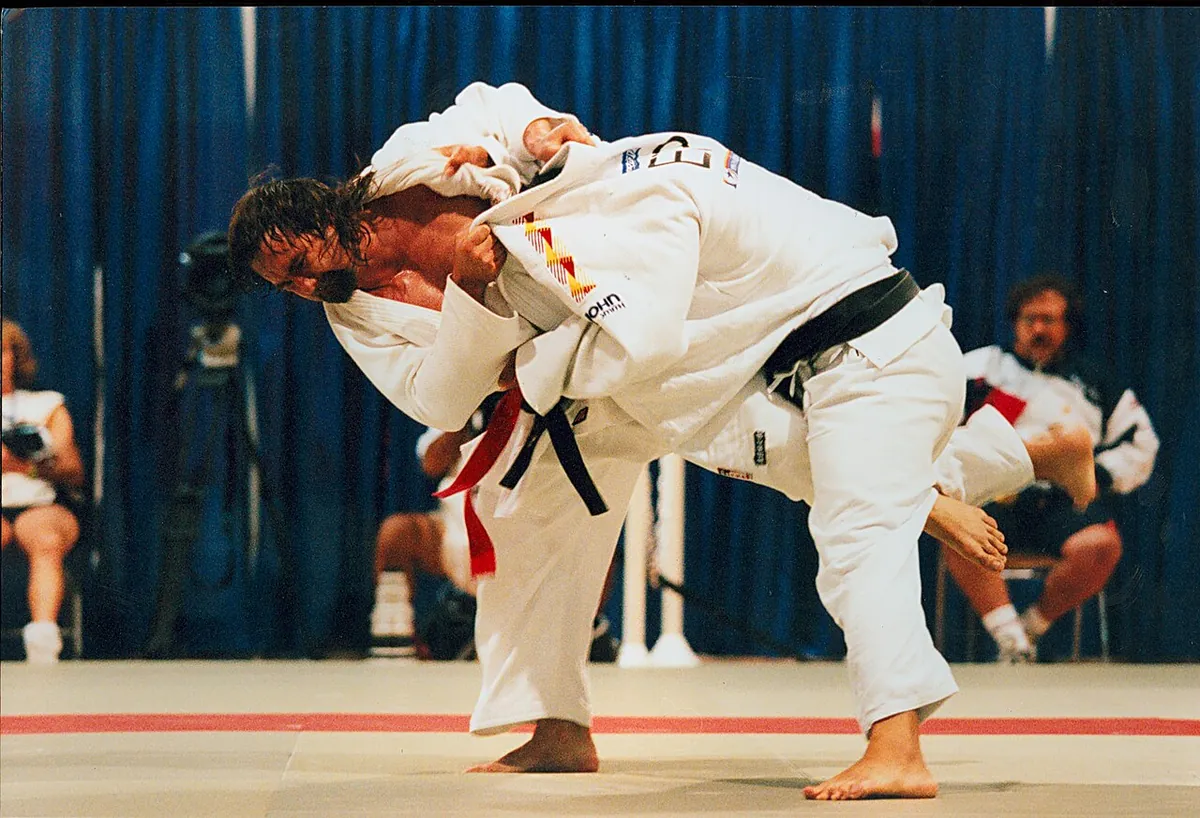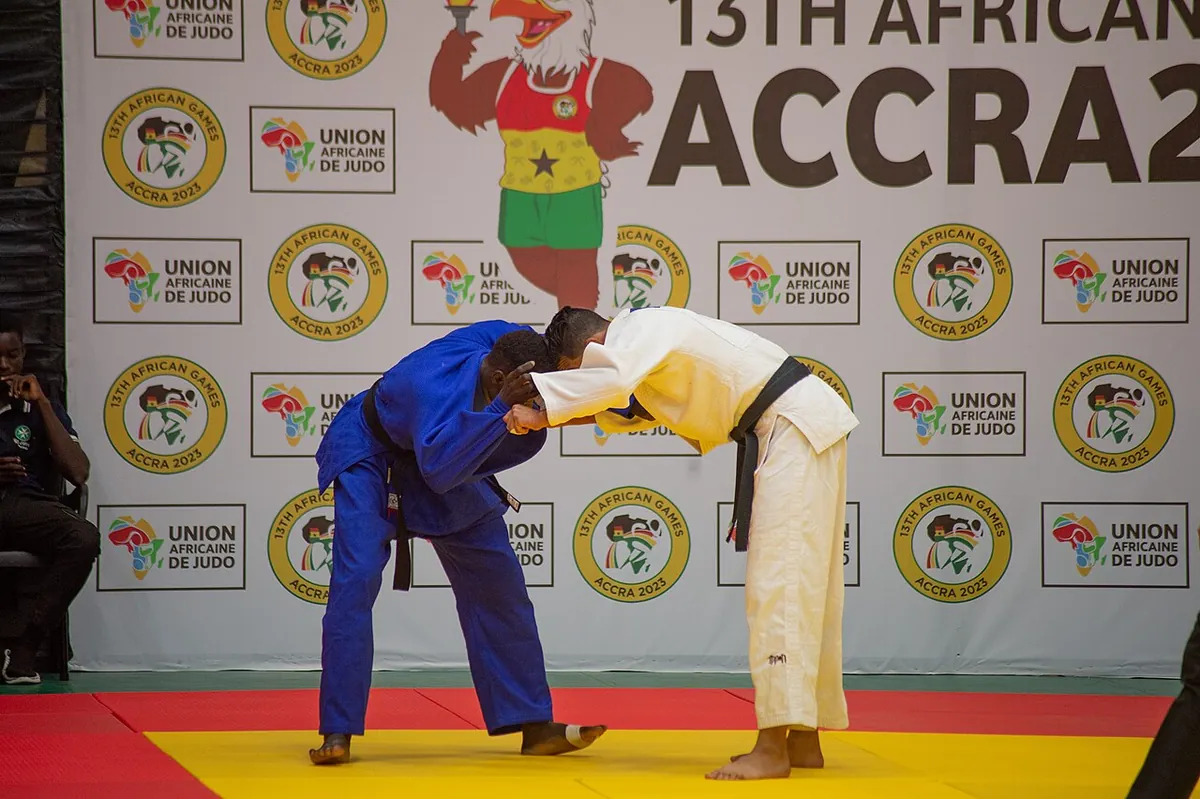
Judo classifies throws into families including hand, hip, foot and sacrifice techniques. IJF technical resources provide examples. These names identify principal features; they do not mean that the rest of the body is uninvolved. First recognise the direction and relationship between the athletes, then use terminology to describe what happened.
Different ways to create the result
Some throws turn into a position beneath the opponent; others alter the support through a leg action or a deliberate change of the thrower's own position. Each requires appropriate range and balance. A successful example does not prove that the same movement works from every situation. Contact, timing and the direction of both athletes matter.
Combinations and counters
An initial attack may score directly or force an adjustment that creates another opening. The defender may also exploit space left by the attack. Track how the first action changes balance instead of cutting every throw into a separate clip. A name helps describe the sequence but cannot replace the official assessment of legality, control and landing quality.
Classification is not a scoring table
Two foot techniques can differ greatly in entry, contact and rotational direction, and techniques from different families can be linked. No family inherently guarantees a higher score. Observe the actual completion first, then learn the name, rather than forcing every unfamiliar throw into a term that happens to sound recognisable.