 Judo
Ippon, Waza-ari and Yuko: Reading Judo Scores
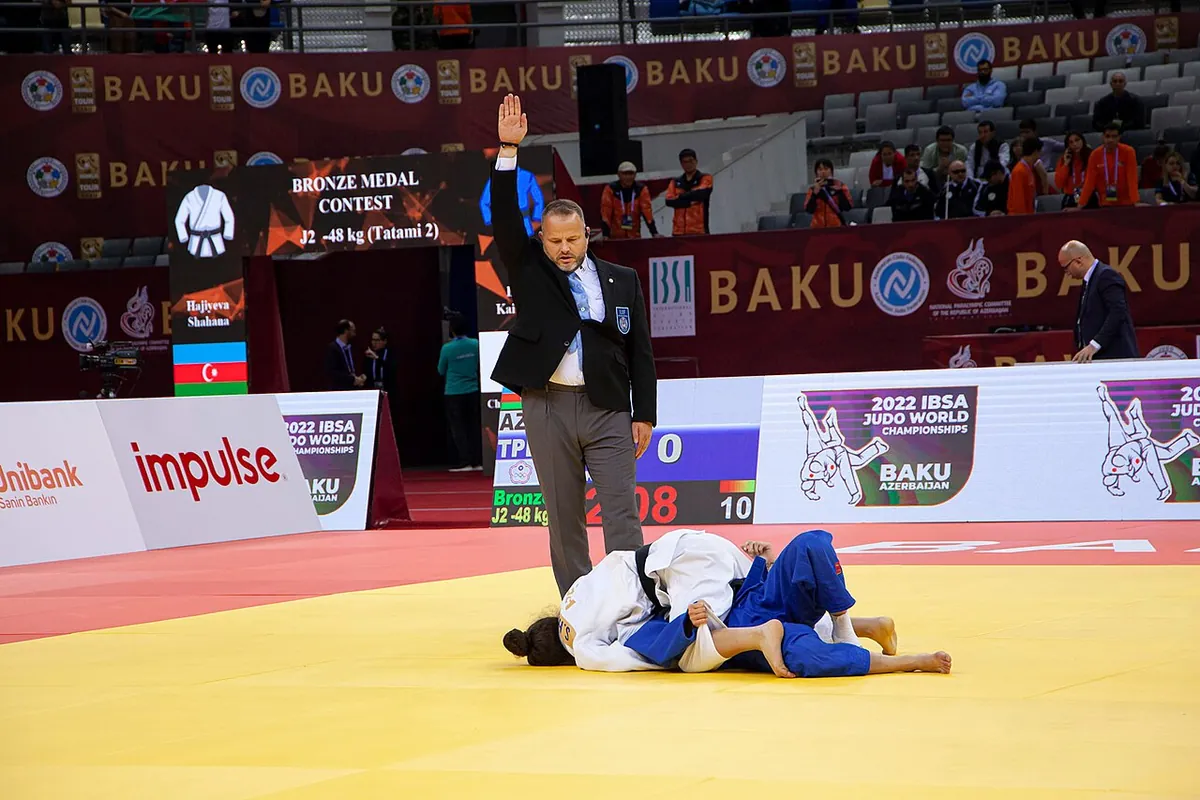
Judo scores form a hierarchy rather than an ordinary sum. The applicable rule period is essential.
JudoJudo scores form a hierarchy rather than an ordinary sum. The applicable rule period is essential.
 Judo
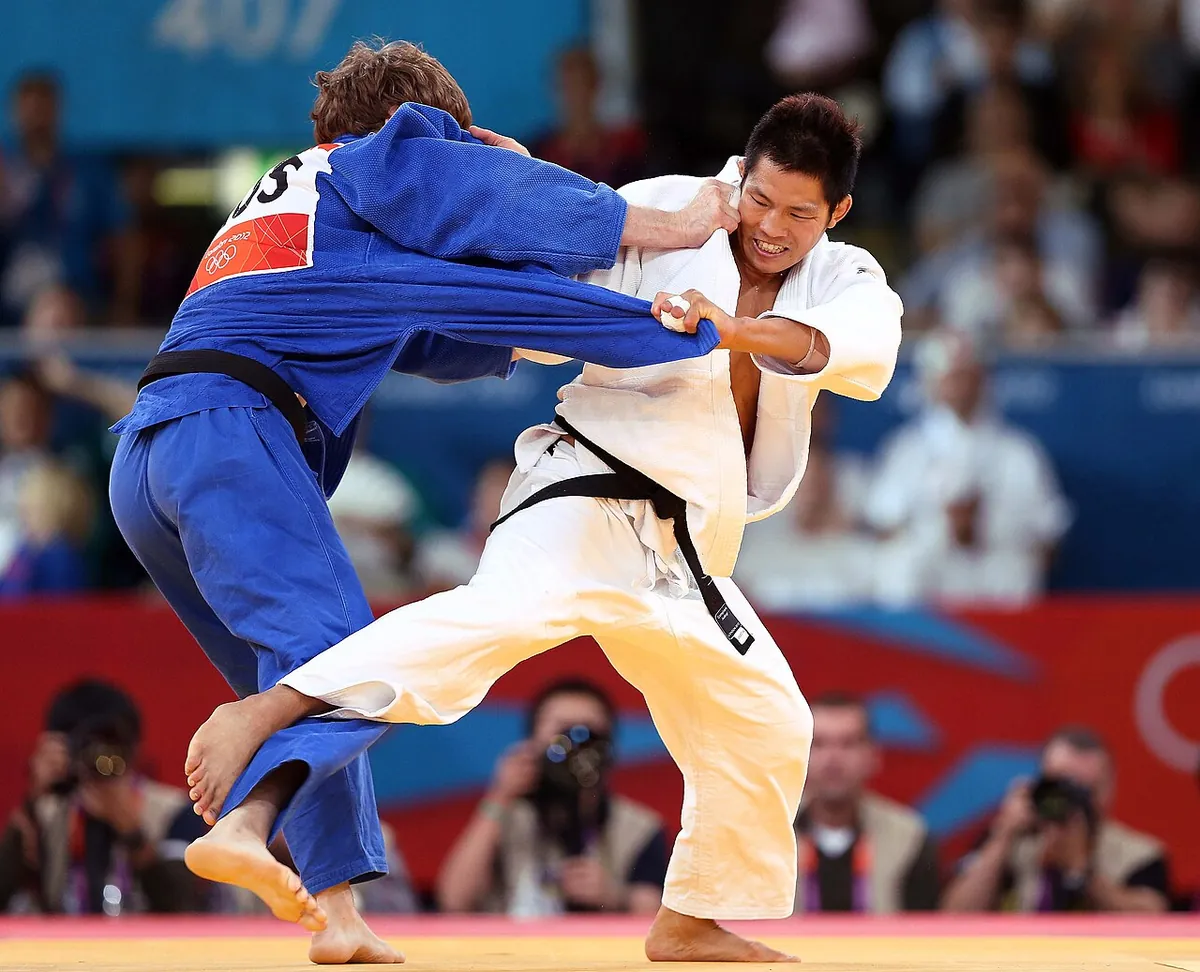
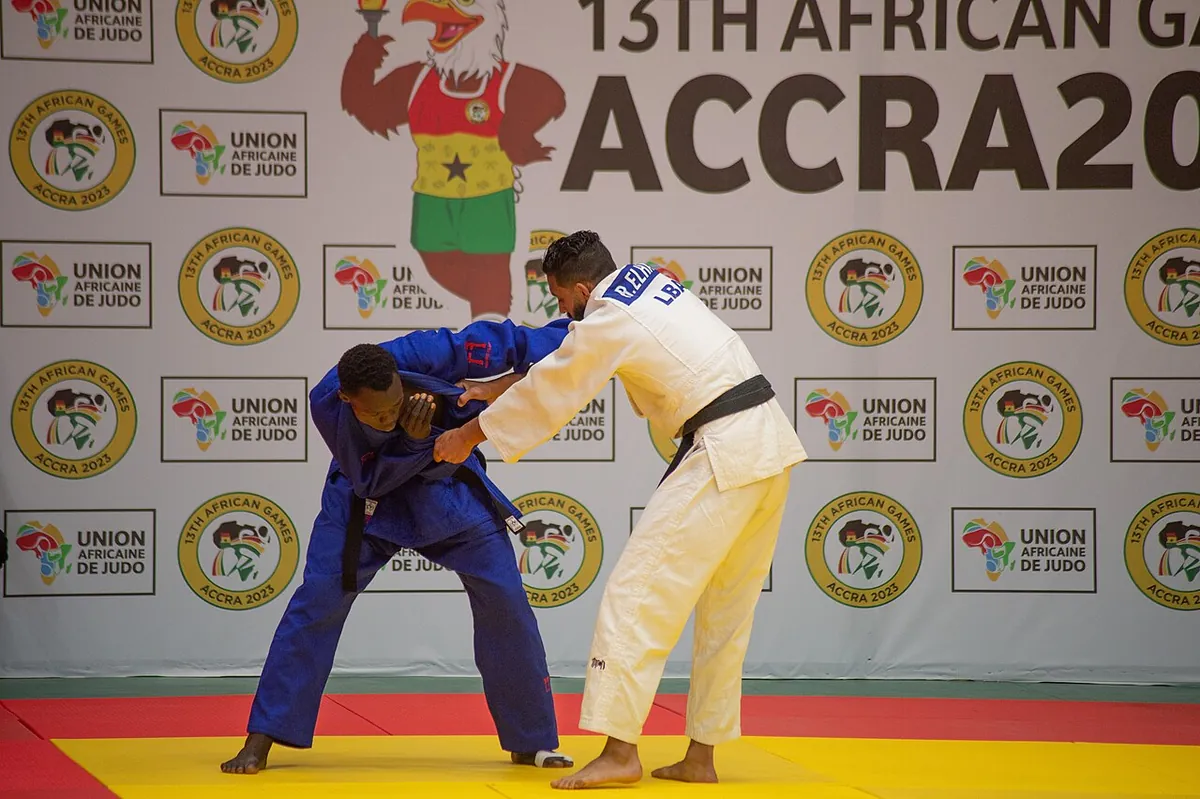
Sleeve and lapel control help create opportunities, but a strong-looking grip is not yet a successful attack.
 Judo
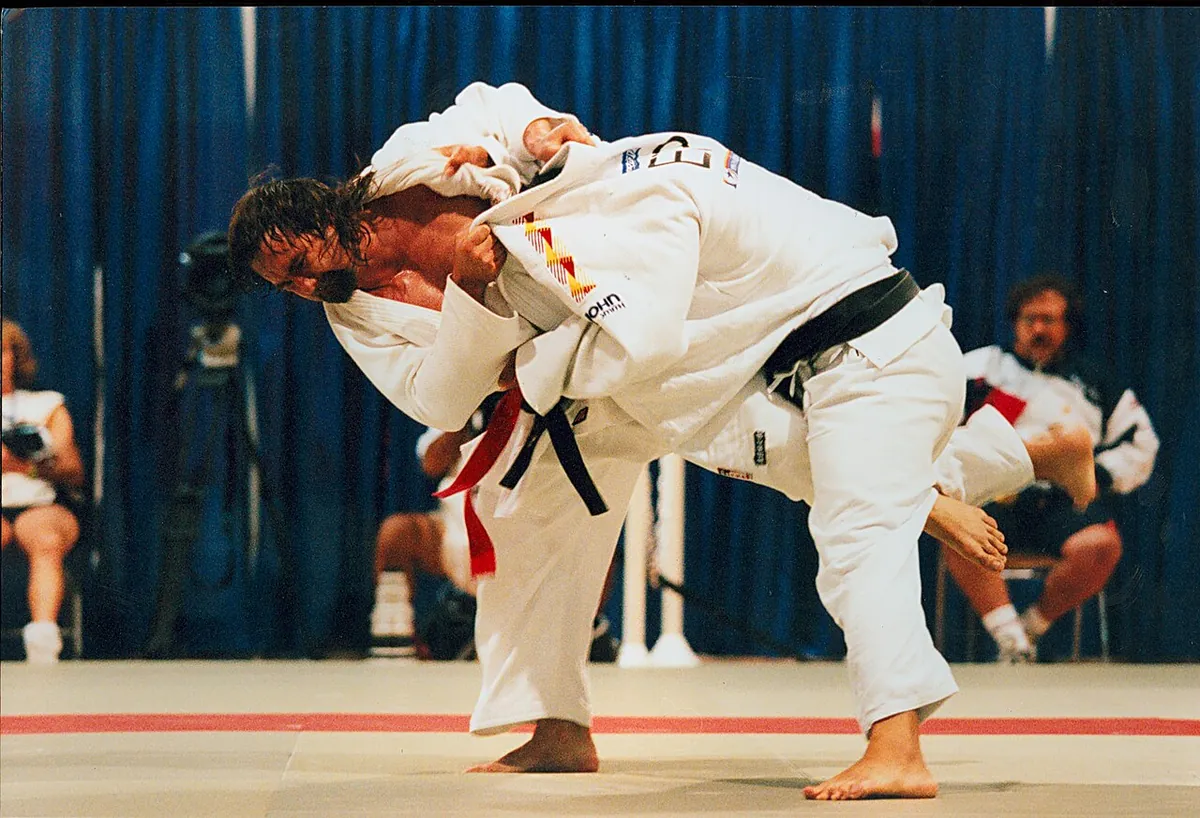
Hand, hip, foot and sacrifice techniques describe technical characteristics rather than guaranteed scoring values.
 Judo
A standing attack can lead into a ground phase, where legal control and continuing progress matter.
 Judo
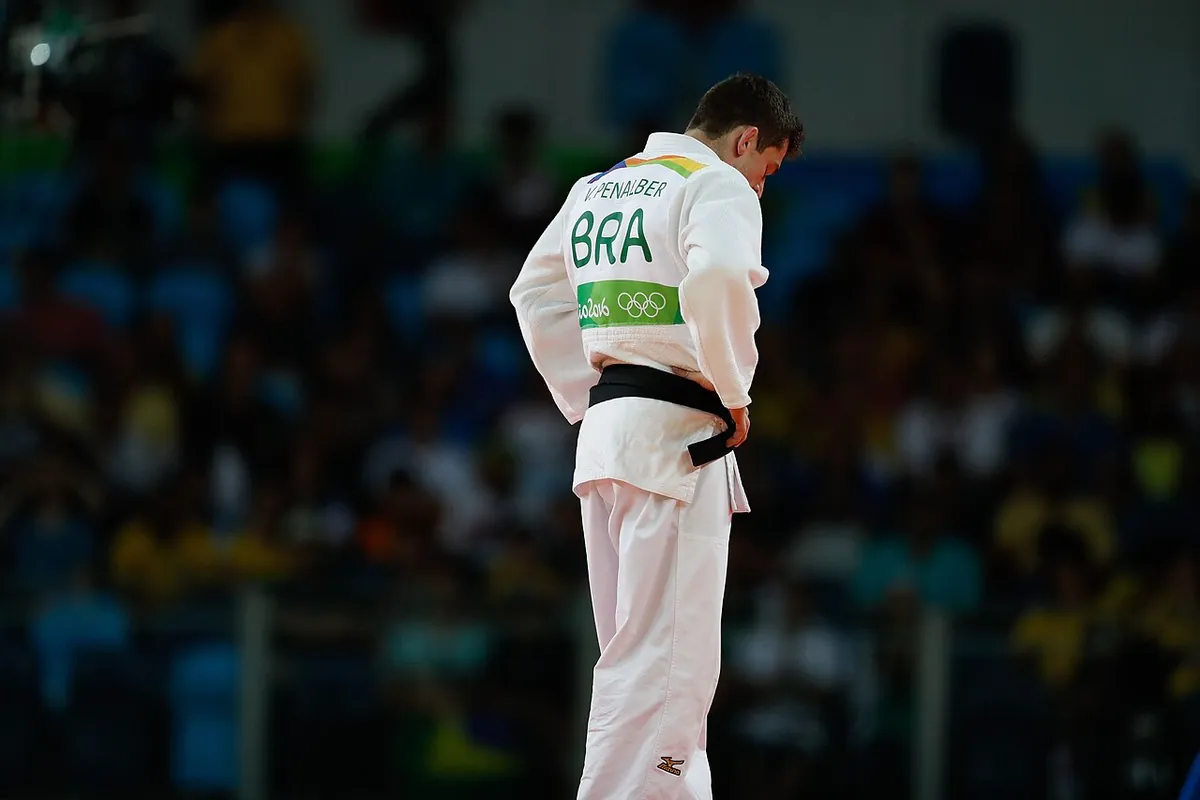
A decisive phase becomes clearer when the existing score, penalties and winning conditions are read together.
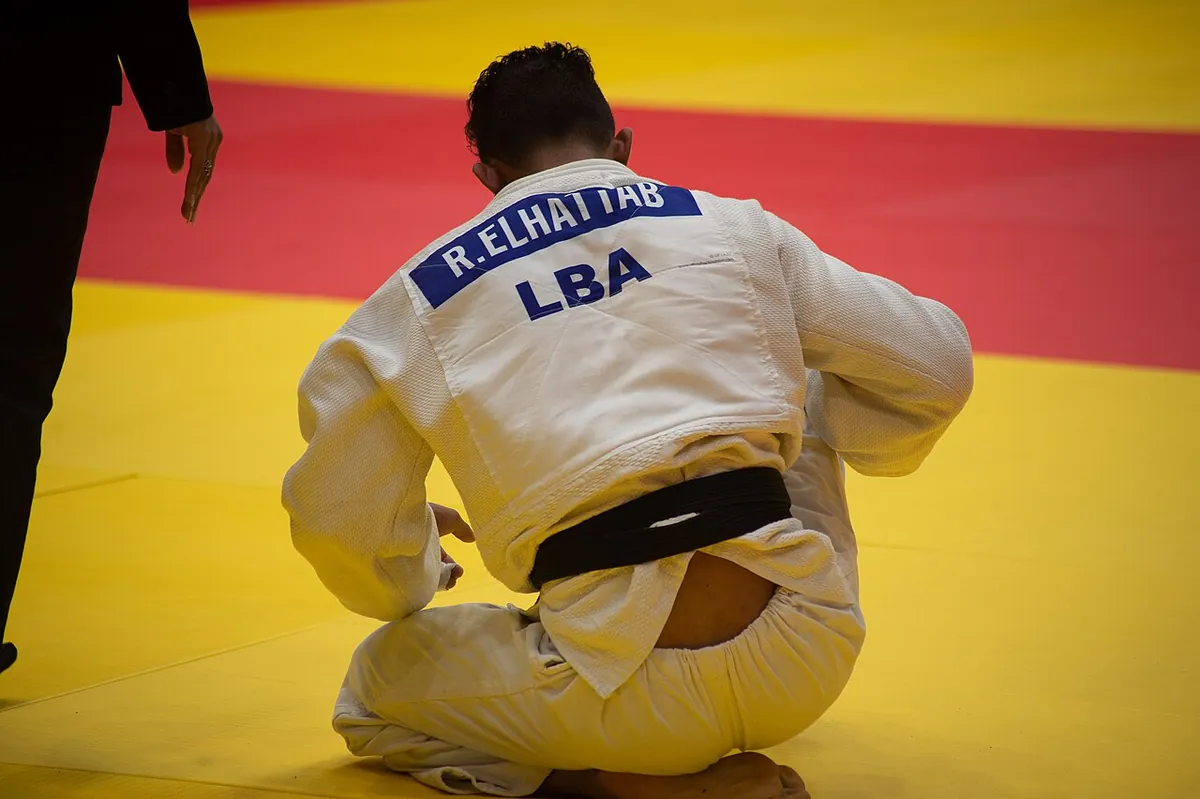 Judo
An individual contest and the wider team encounter operate on different scoring levels.
 Judo
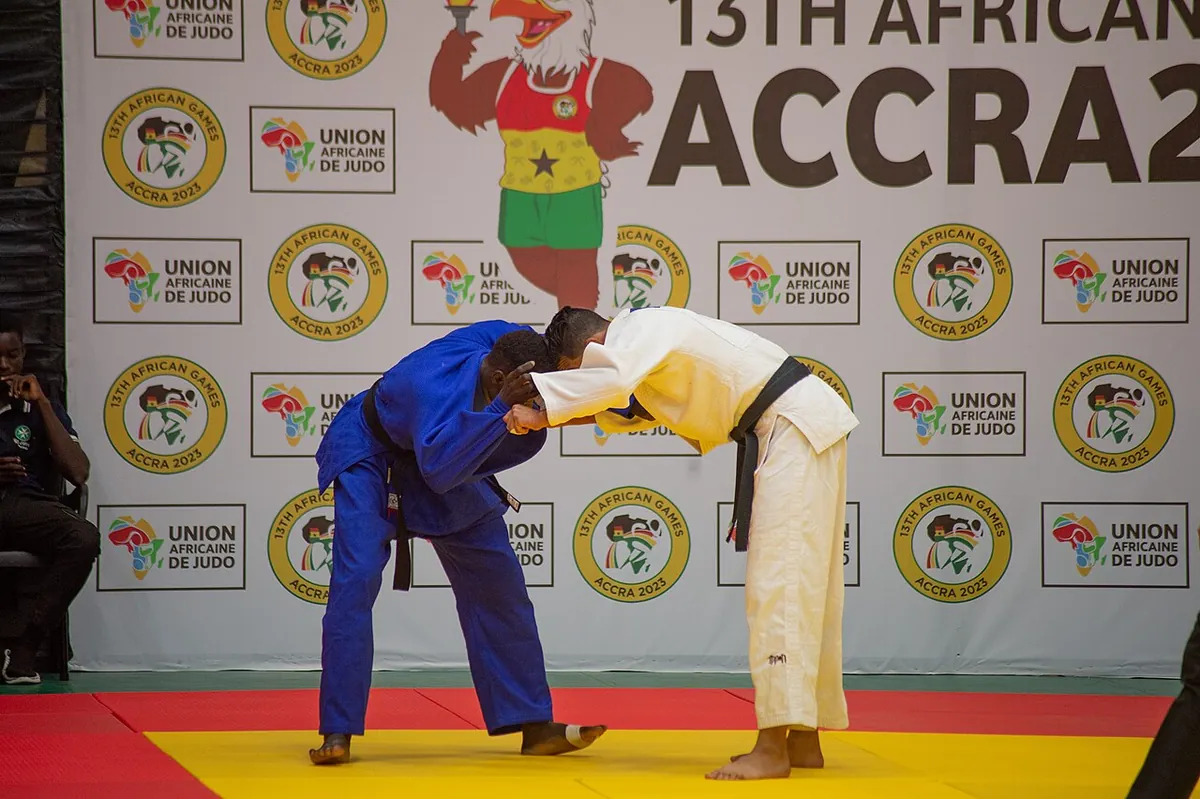
Bows and referee commands create an organised boundary around a demanding technical contest.
 Judo
Nomura's three consecutive men's 60kg titles offer a clear record of repeated performance across Olympic cycles.
 Judo
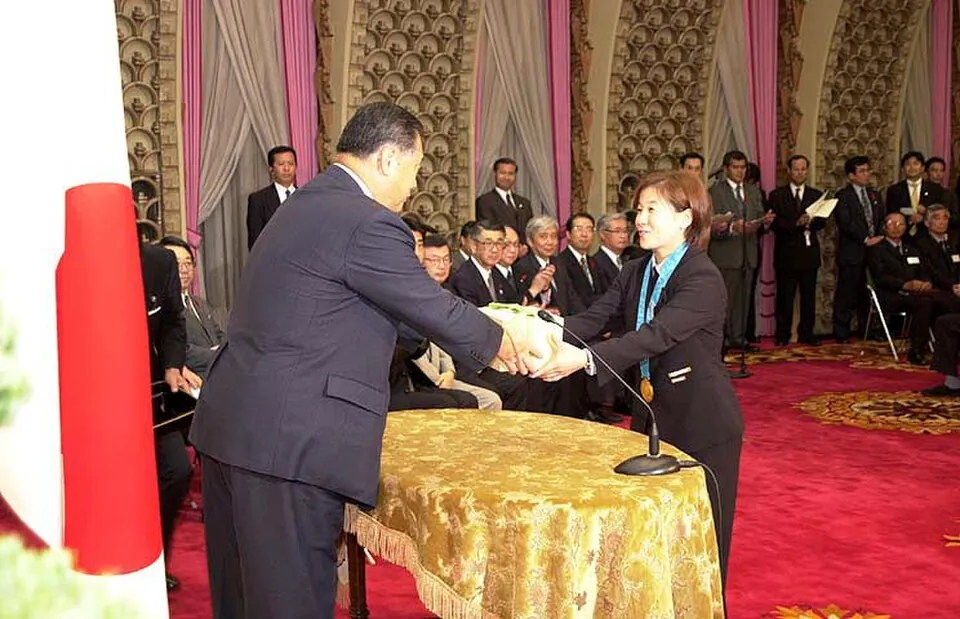
Tani's medals across five Games show sustained competition without turning the record into a claim of uninterrupted victory.
 Judo
Riner's individual titles in London, Rio and Paris must be distinguished from his mixed-team achievements.