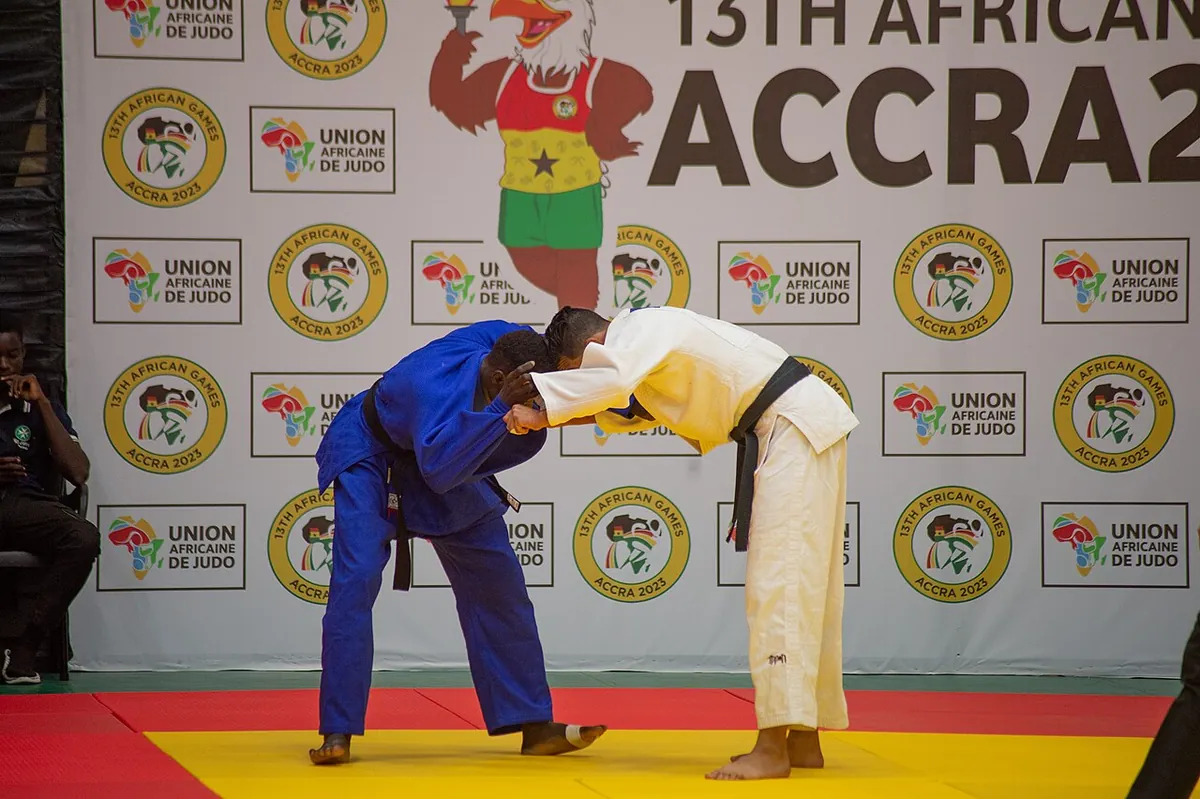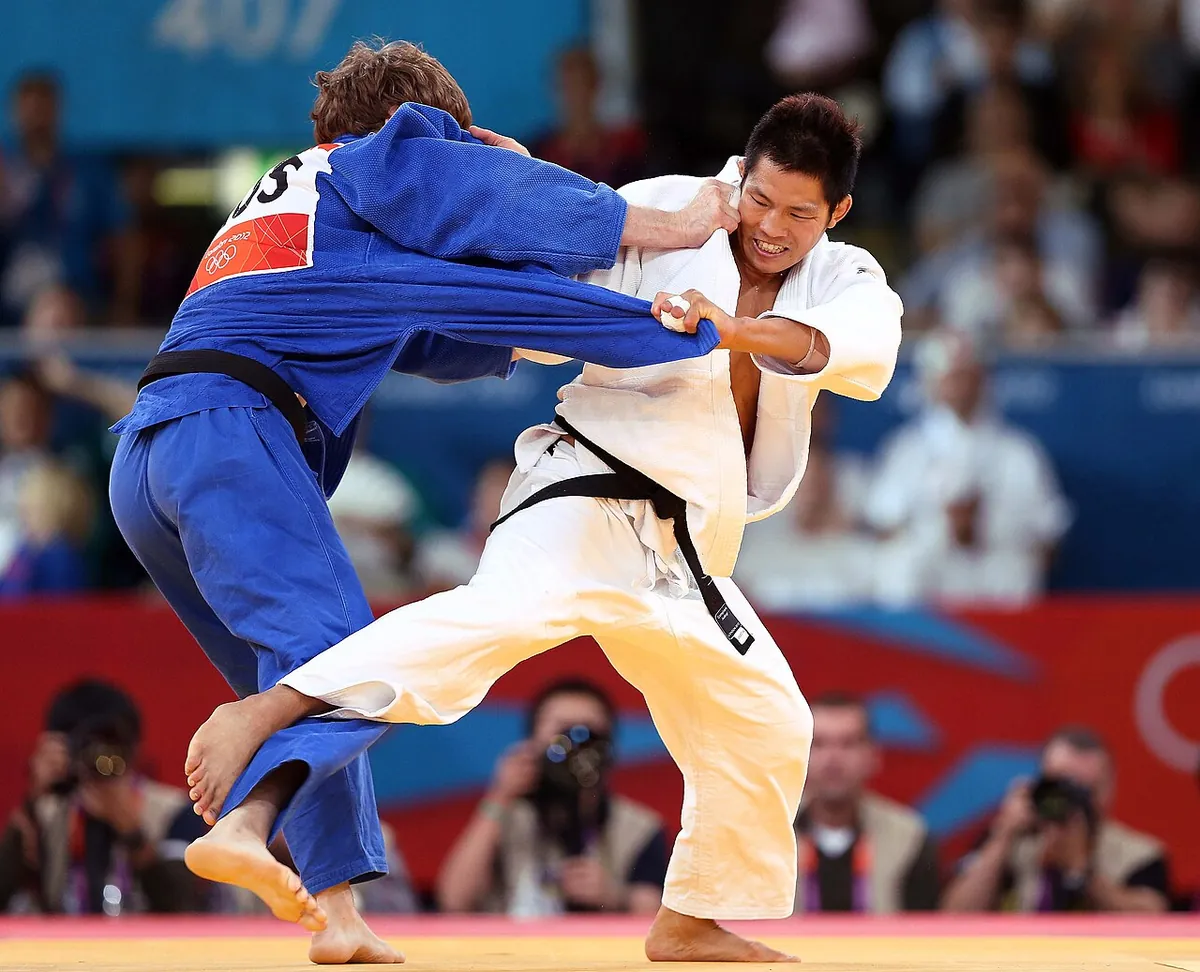
Judoka establish legal grips and use movement to create attacking opportunities. A brief exchange of pulling and adjustment can already contain substantial technical work. IJF rules also regulate gripping and inactivity, so the struggle for contact is shaped both by tactics and the requirements to engage in legitimate competition.
How balance changes
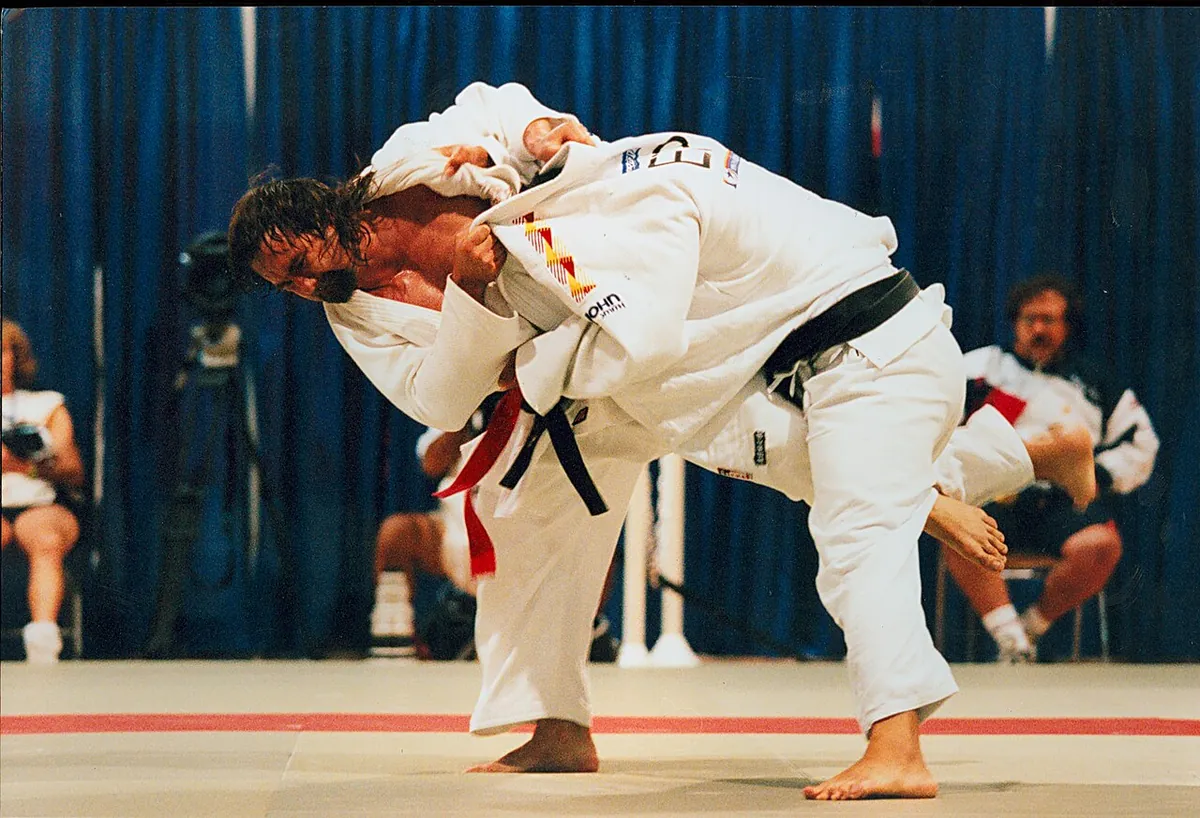
A throw often depends on moving the opponent into a position from which stability is harder to recover. Hands and feet work together to influence forward, backward or sideways movement. Notice whether a step is forced or voluntary and whether the attacker uses that moment. Unbalancing requires direction, timing and position rather than forceful pulling alone.
A grip must lead somewhere
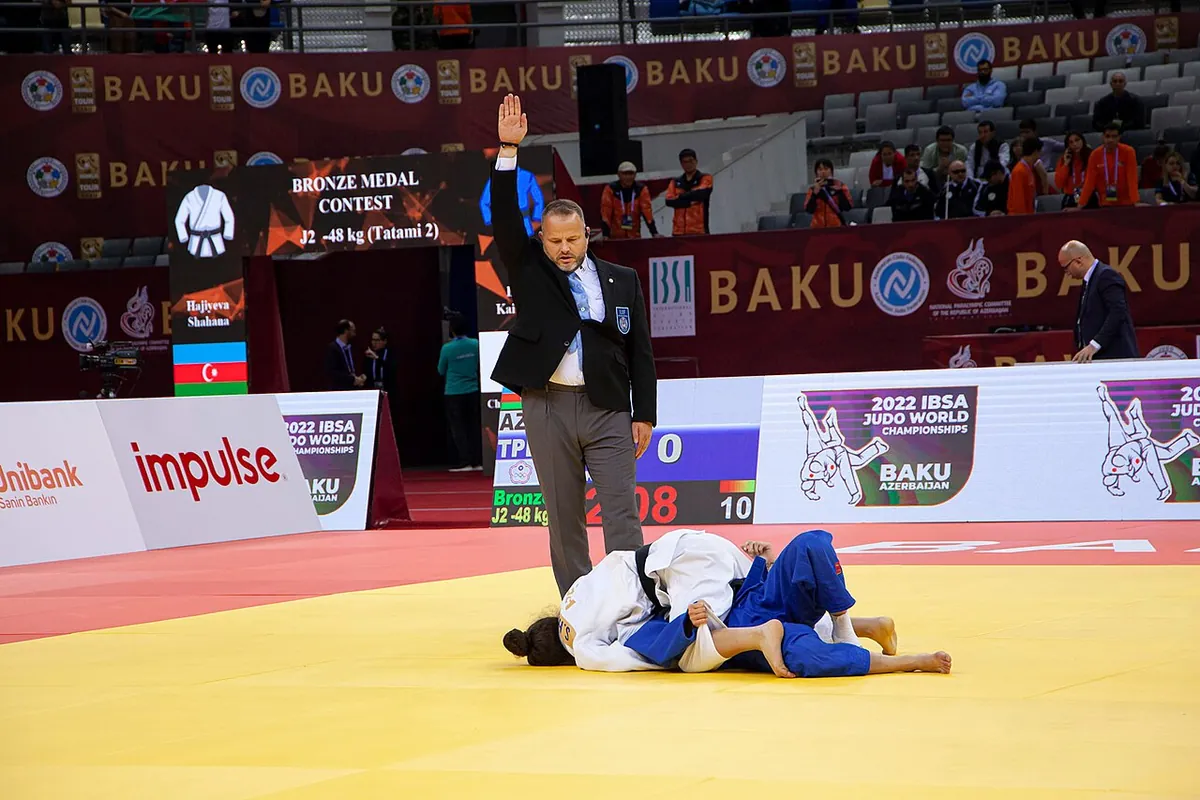
A seemingly dominant hold can restrict the holder's options, and an opponent may redirect the movement. Evaluate the grip through the attack it enables, not only its height or duration. Certain gripping situations also create rule obligations to act. Referee calls and the actual attempts help explain why an exchange continues, pauses or attracts a penalty.
Stance changes the relationship
Different leading feet alter sleeve and lapel positions and the space available for an attack. The same-looking grip can therefore have a different effect in another stance pairing. Check the feet first, then follow the pull and subsequent movement. This links the hands to whole-body balance rather than treating the stronger hold as an isolated advantage.