Judo combines standing throws with groundwork, commonly called ne-waza. After a throw, an athlete may continue into a hold or another permitted technique. IJF rules define when groundwork continues and when the referee pauses it. Both athletes reaching the mat does not automatically mean that the exchange has ended.
A hold is defined by control
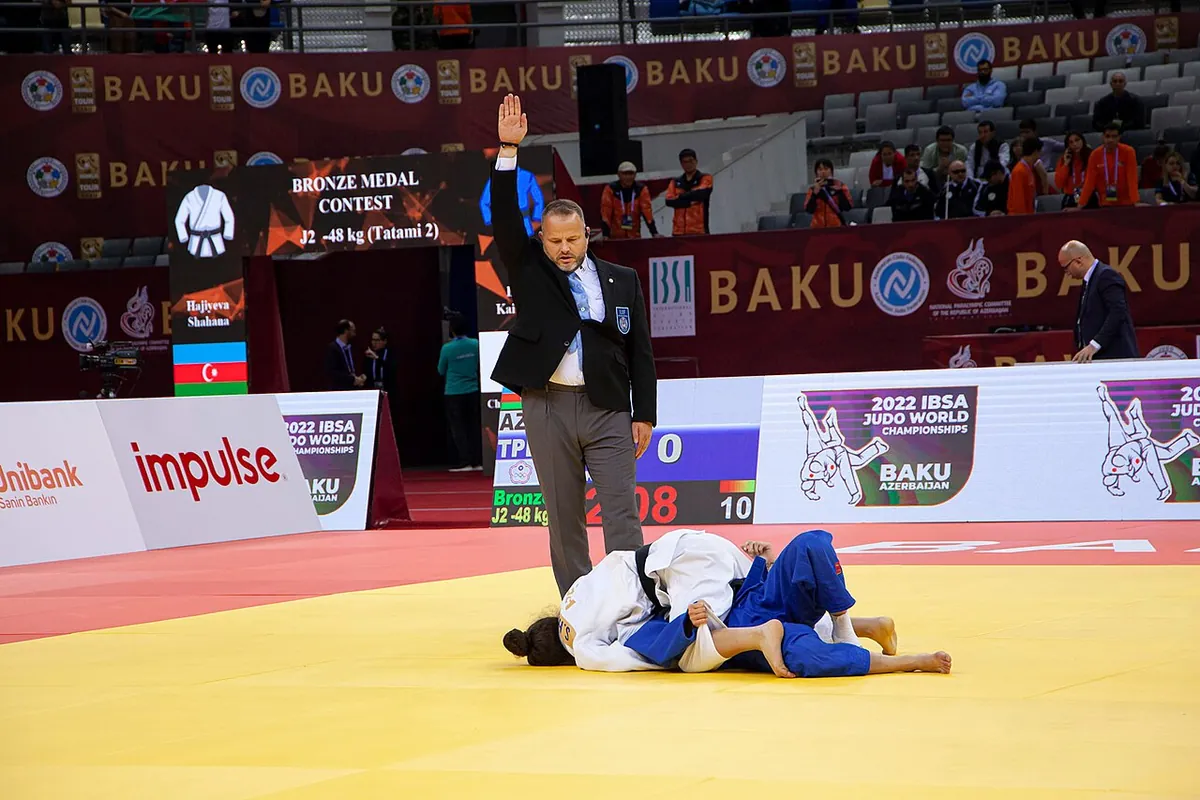
A recognised hold must satisfy the required relationship and be maintained for the relevant time. Appearing heavy on top does not necessarily establish it, and the lower athlete may interrupt it by recovering position. Watch whether the referee starts and stops the hold-down clock, then connect that information with the displayed result.
The transition matters
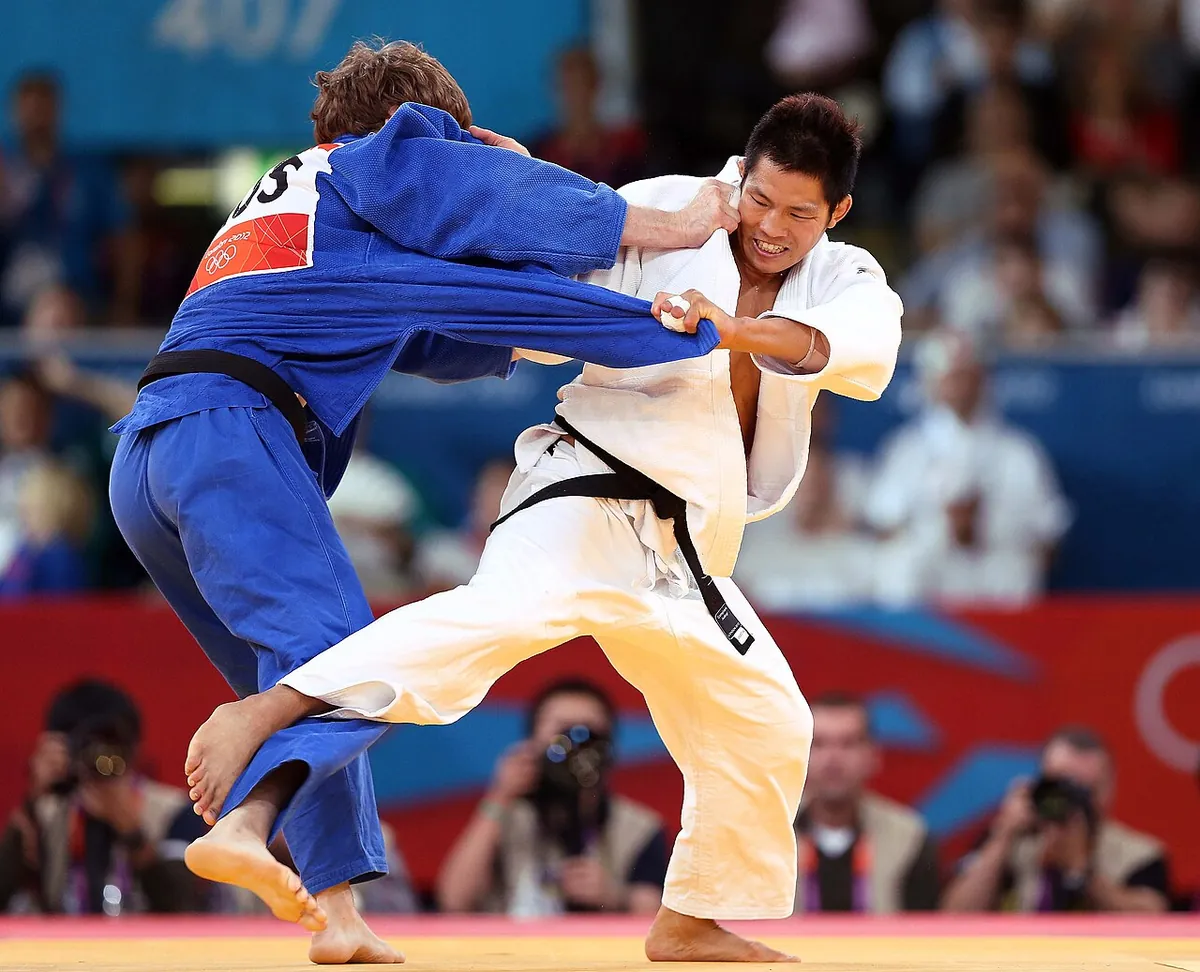
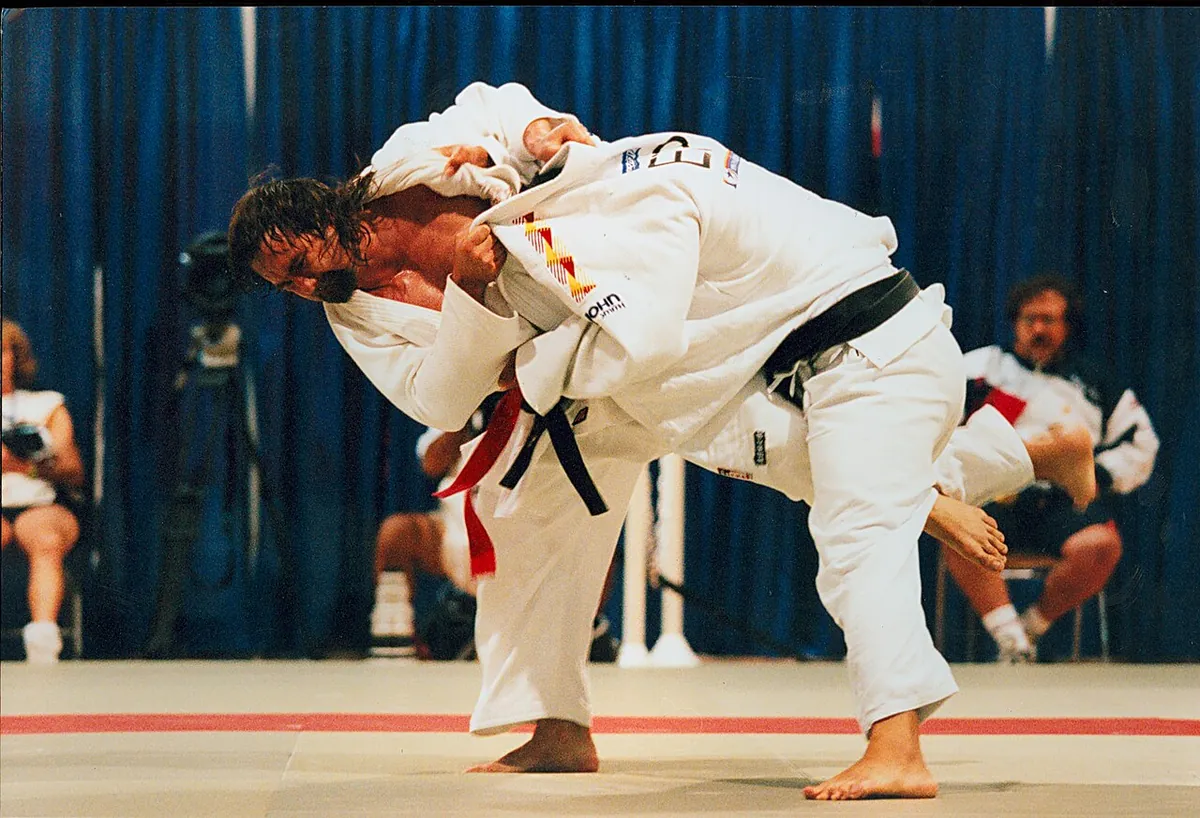
A throw that does not score ippon can still place the attacker in an advantageous ground position. Conversely, the defender's adjustment after landing may remove that advantage. These are observations for following competition, not instructions for practising submission or control techniques independently. Proper coaching and suitable training conditions supply safeguards that television images do not fully show.
Why the ground phase continues
The referee looks for legal action and progress. Prolonged close contact does not automatically mean that an attack is developing, while a small positional change can create a new opportunity. Follow the timing and commands rather than deciding that the exchange must restart simply because it feels slow. Important groundwork information often lies in subtle changes of relationship.