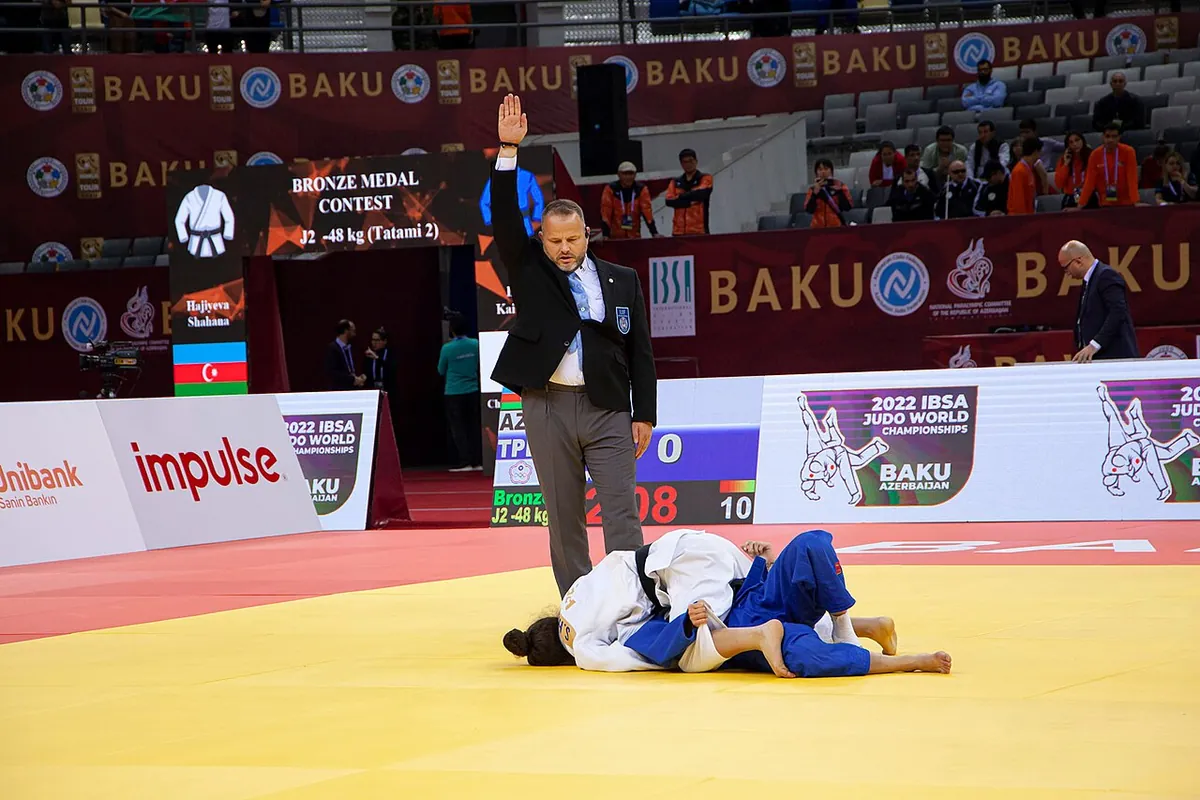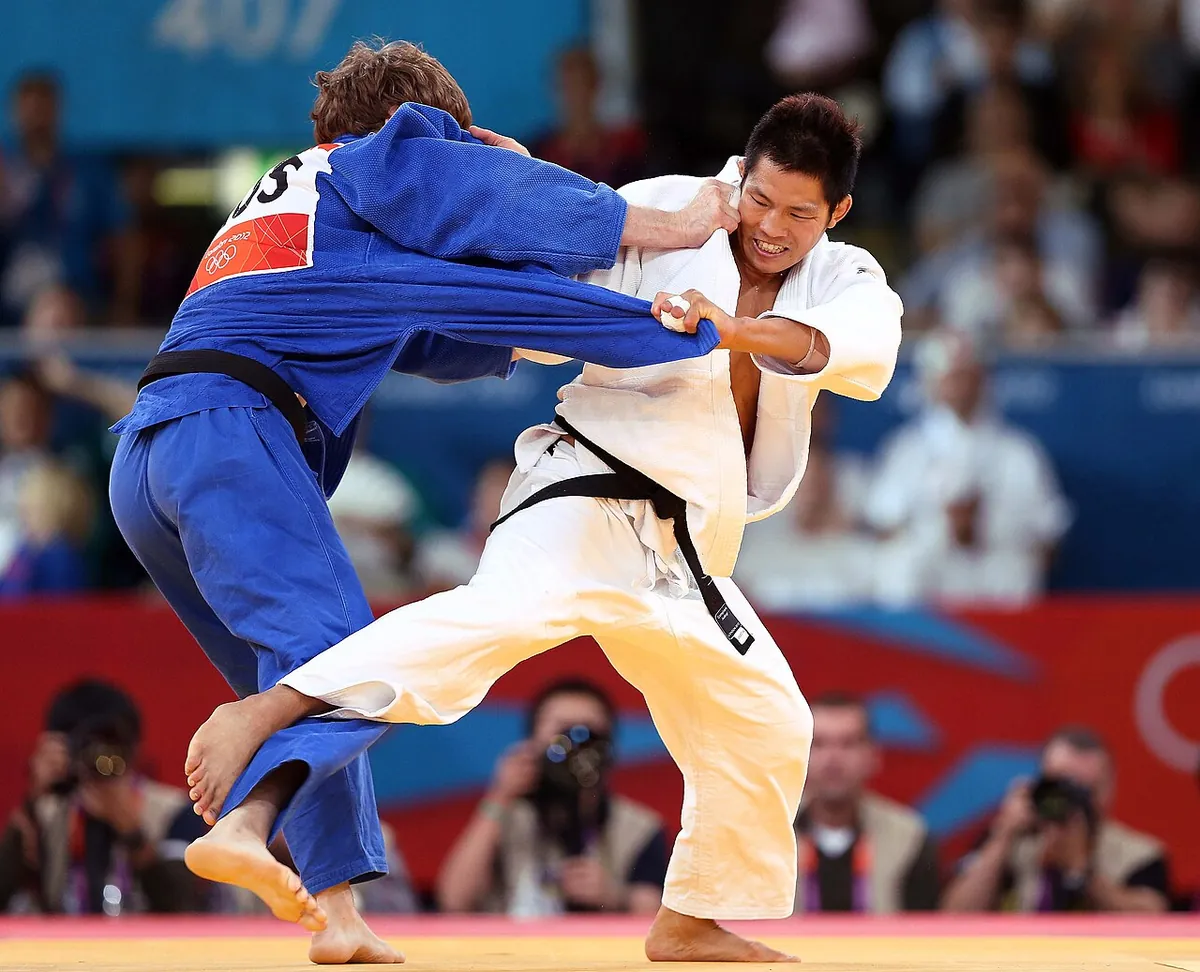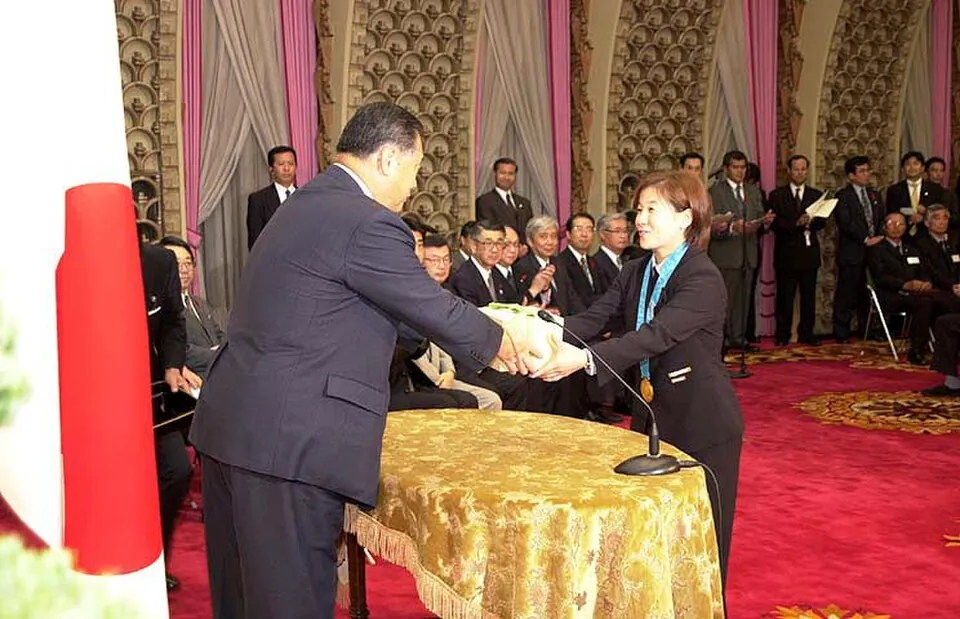
Japanese judoka Ryoko Tani won women's 48kg gold at Sydney 2000 and Athens 2004, and earned medals at five Olympics from 1992 through 2008. Earlier records may name her Ryoko Tamura. Recognising the name change connects different parts of one career rather than mistakenly splitting them between two athletes.
The colours belong to a timeline
Two golds, two silvers and a bronze represent specific outcomes at different Games. They should not be simplified into an unbeaten story. Repeated podium finishes demonstrate sustained high-level competitiveness, and the non-gold medals need not be hidden to make the achievement impressive. The complete sequence shows the scale of a long international career.
Historical contests need their own rules
Tani competed across several rule periods, so older scoring terms and penalties may differ from those in a current broadcast. Establish the year before examining grips, movement and linked attacks. This allows historical appreciation without using today's interpretation to reject an official result from a different system. Keep category and individual-event labels attached to medal statistics too.
Use both names when consulting archives
Earlier documents may use Tamura and later ones Tani. Explaining the relationship helps readers locate the full Olympic sequence and connects the official records. A change of surname does not change who earned the result; the medals still belong to the same athlete, documented by the appropriate year and category.