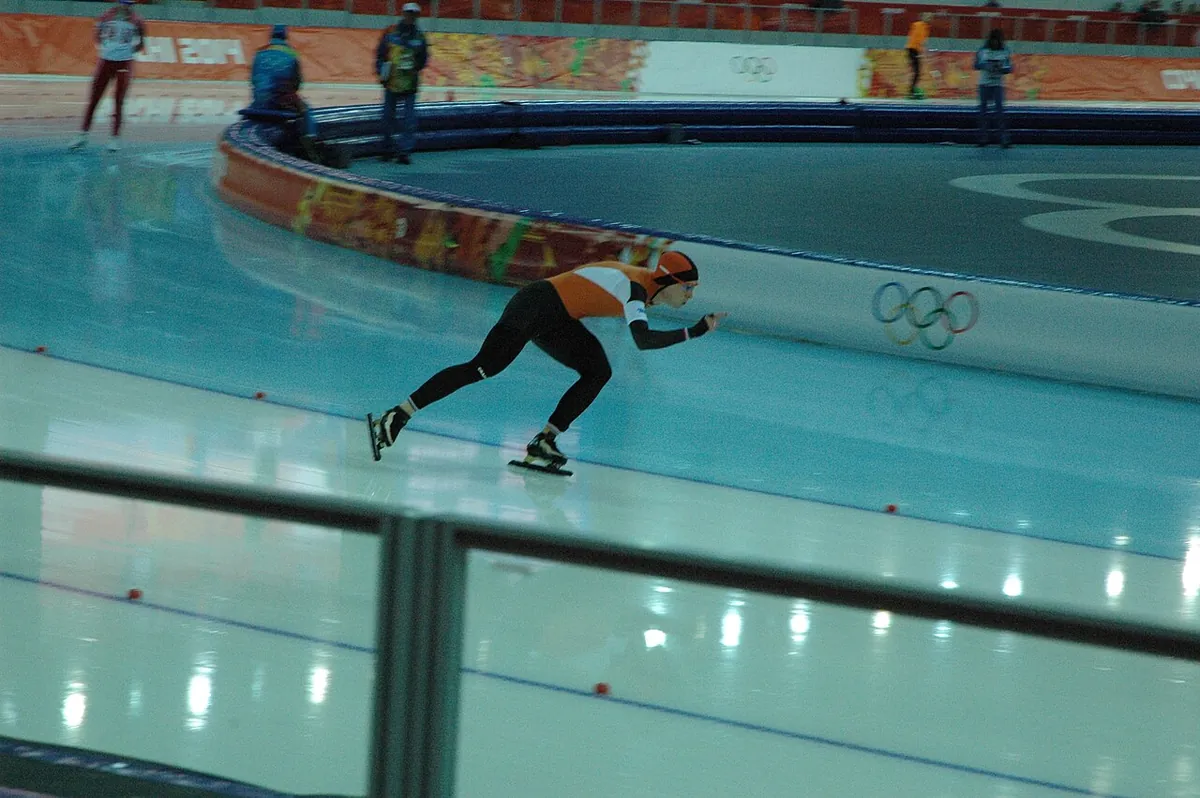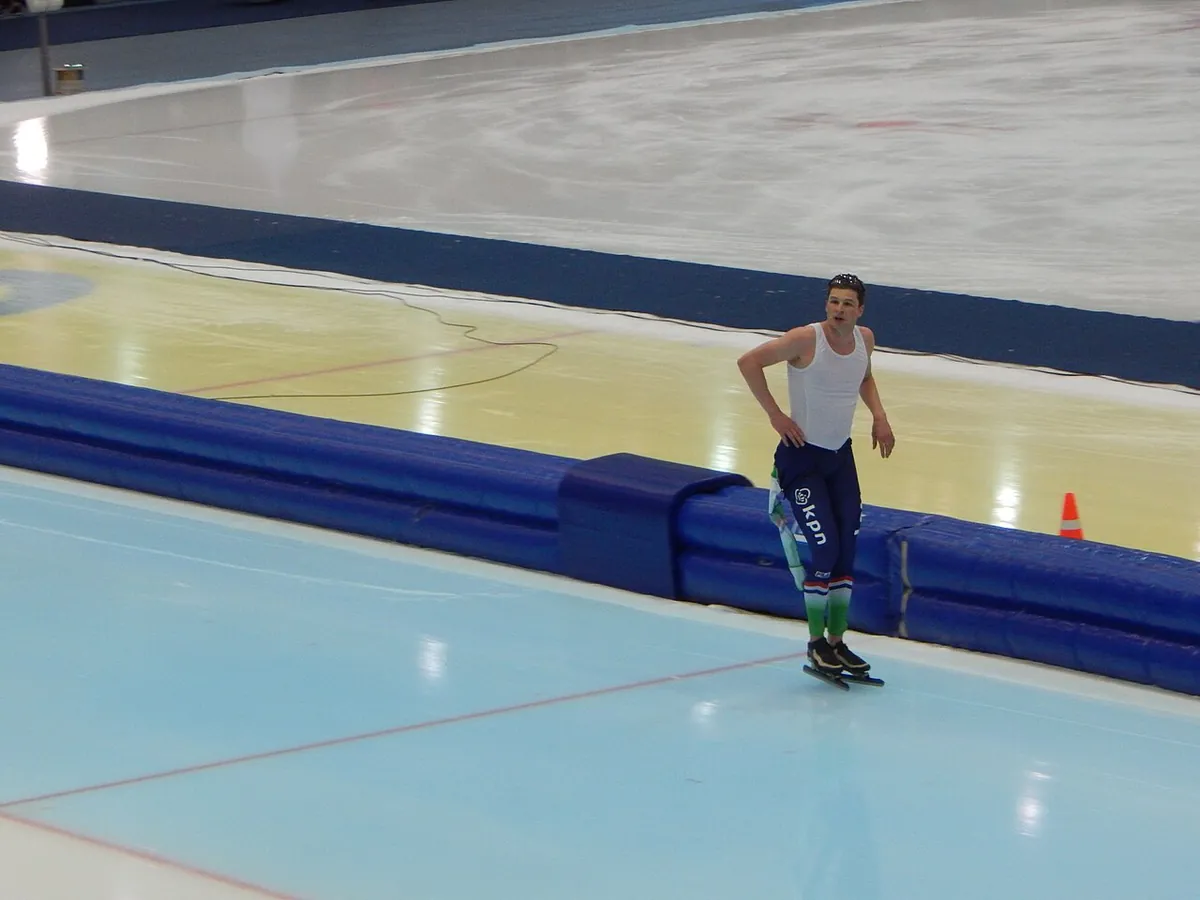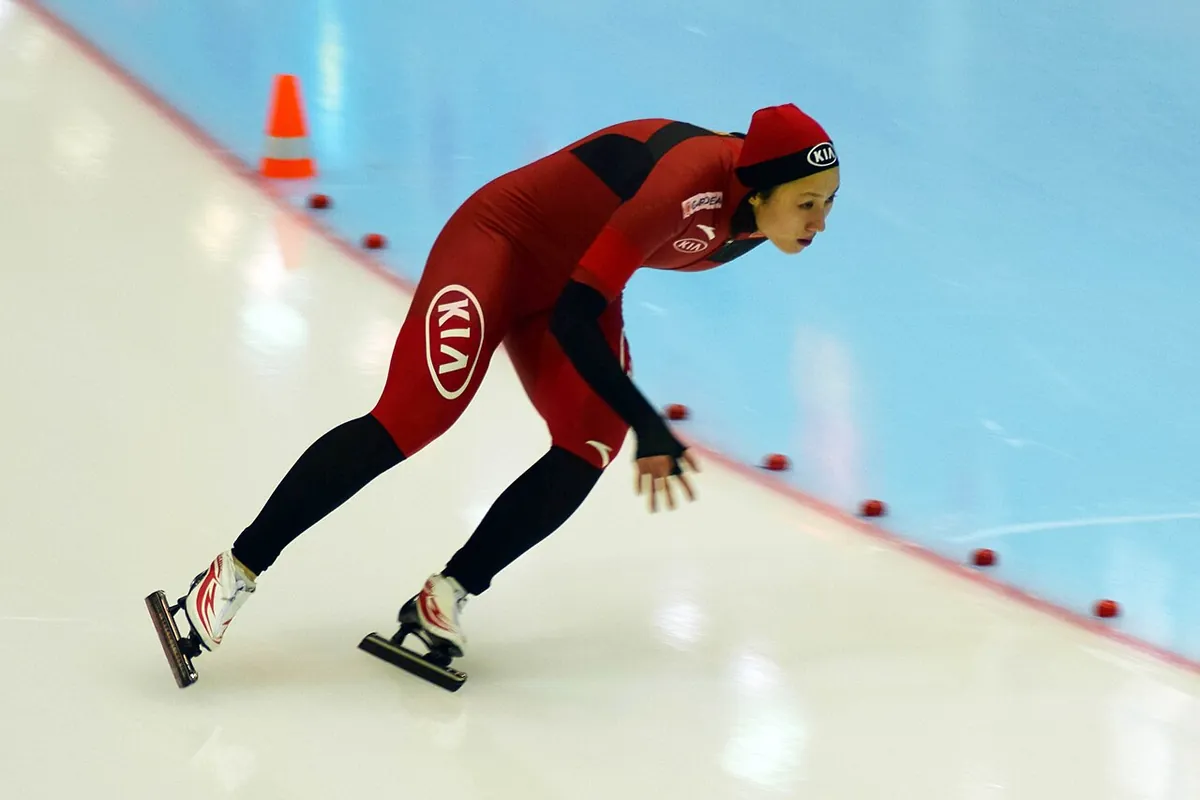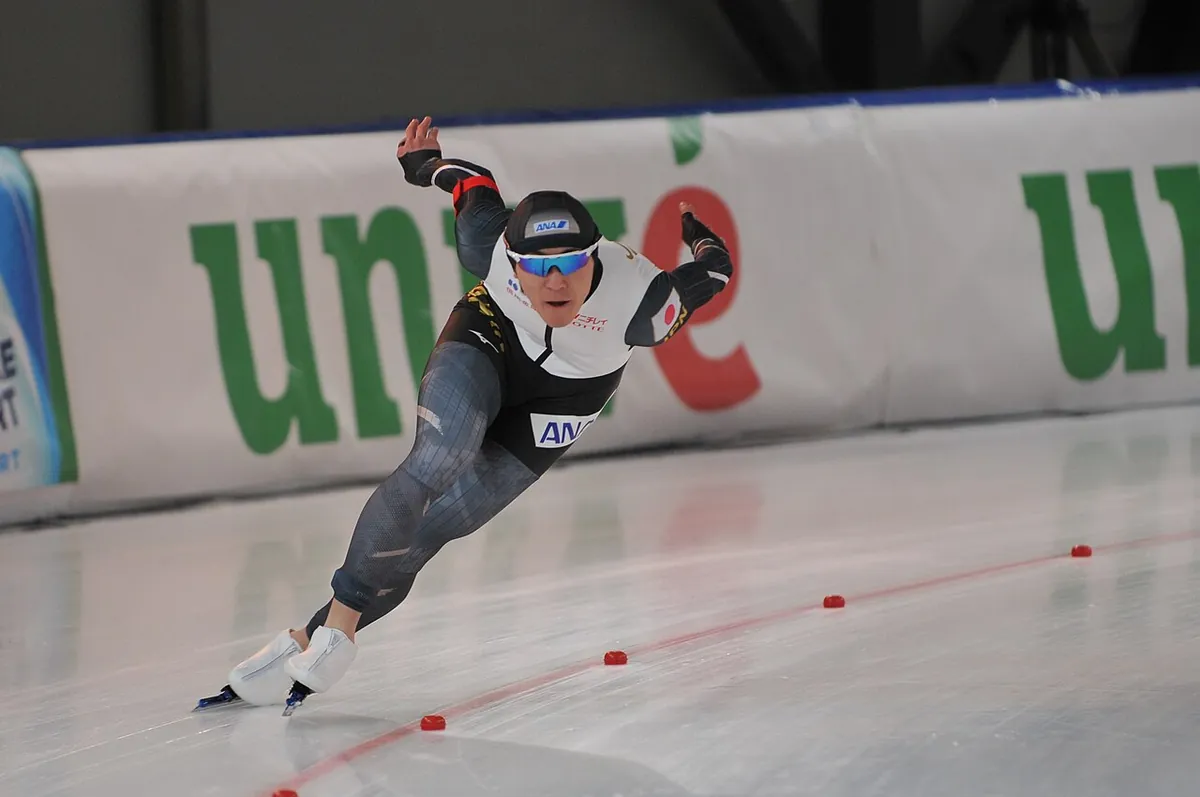
Distance speed skating appears repetitive, but every lap requires a balance between energy and technique. The skater needs enough early speed without exhausting the capacity to hold posture and complete each push later. Watching the progression of lap times, rather than only the current lead, gives a much clearer understanding of the effort.
An opening with consequences
An overly fast first section can produce a substantial late slowdown. Starting too cautiously can leave a deficit that is difficult to recover. Athletes plan a pace and use lap feedback to adjust it. Coaching signals help indicate whether the race is following that plan, rather than merely encouraging the skater to follow the partner.
Fatigue changes technique
As the effort continues, a low posture and complete push become more difficult to maintain. Rising prematurely can increase air resistance, while shortening the movement can reduce propulsion. Compare the early and late laps to see whether weight transfers remain controlled and whether the cornering rhythm starts to break into less connected movements.
The final section
A late acceleration requires capacity that has been preserved earlier, but not every excellent race ends with its fastest lap. Sometimes maintaining the established pace is the strongest available execution. Judge the pacing through the complete time and the conditions of the contest, rather than assuming that the absence of a dramatic sprint means poor commitment.