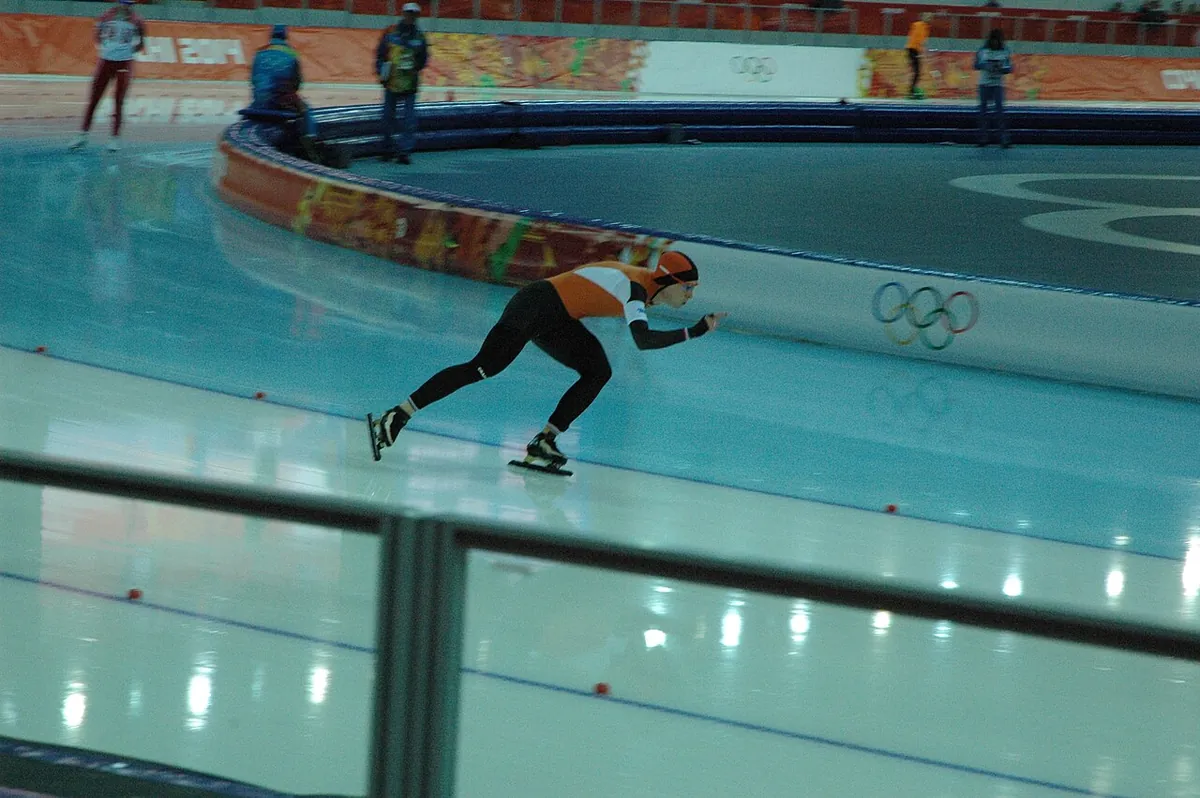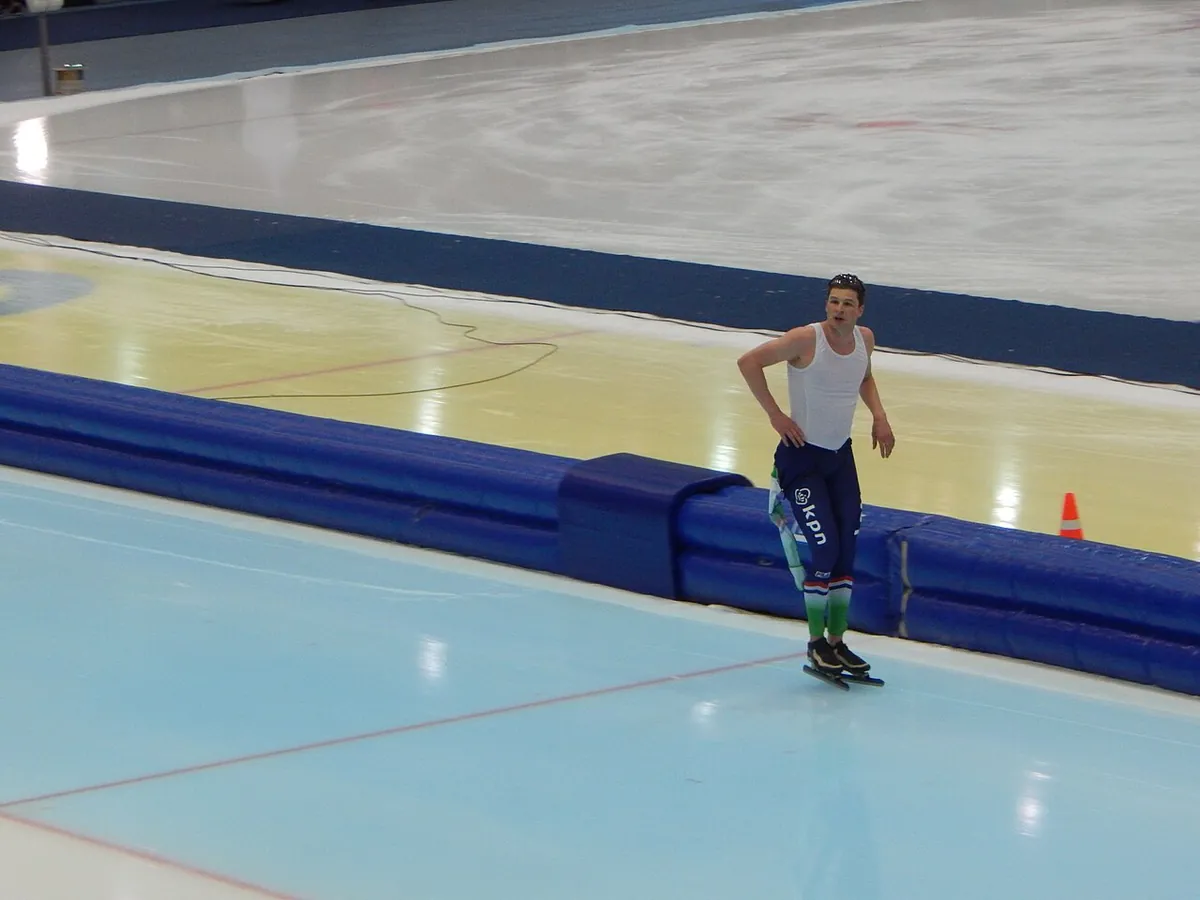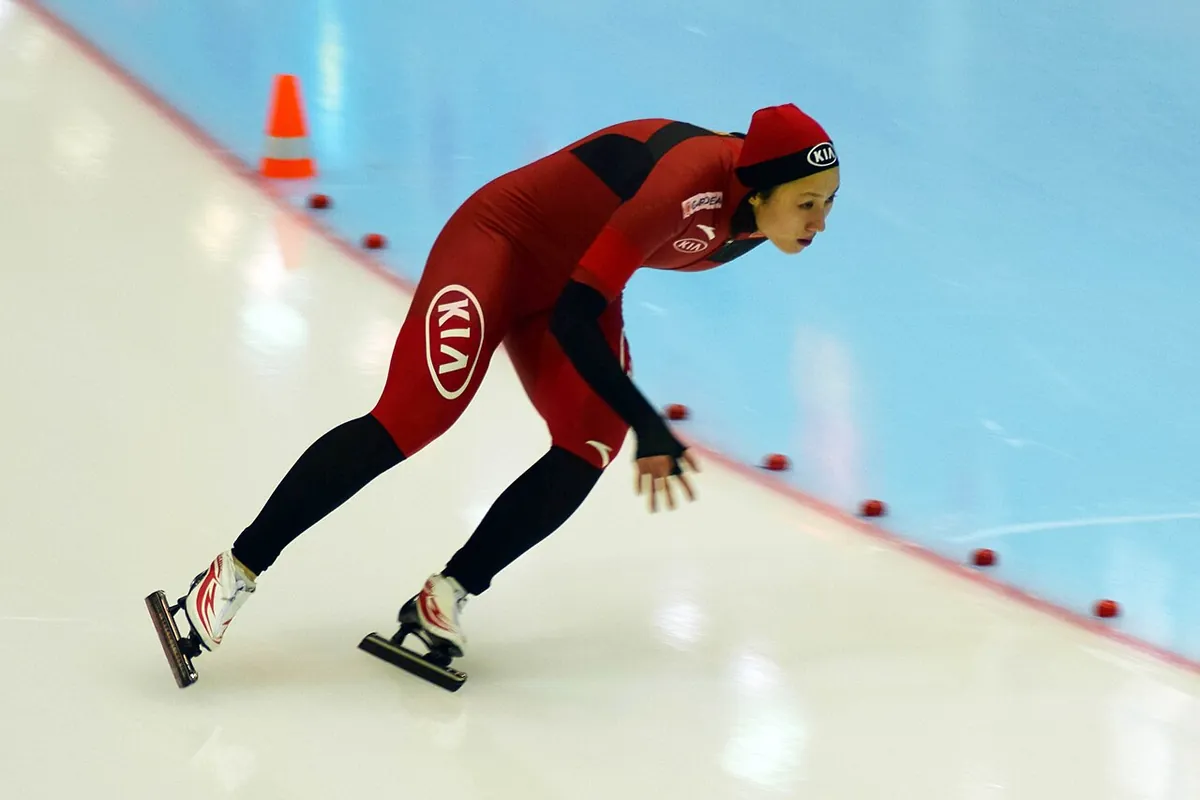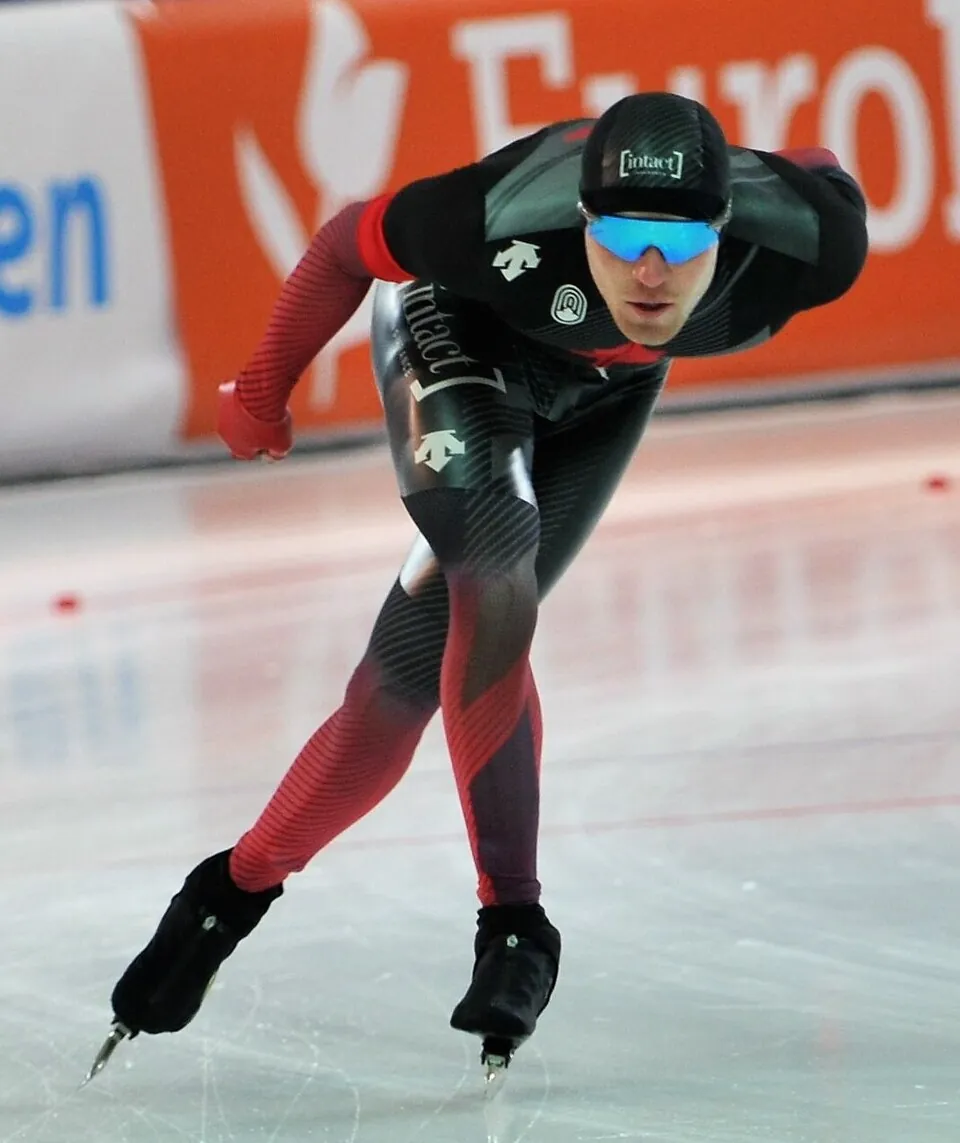
Long blades, close-fitting race clothing and low body positions all serve the pursuit of efficient movement in speed skating. Their appearance is a consequence of function rather than decoration. Equipment interacts with propulsion, gliding and aerodynamic resistance, so understanding those relationships makes the athlete's technique easier to read during a race.
Blades suit the task
Speed-skating and figure-skating blades differ because they support different activities. Sustained high-speed travel is not the same task as jumping, spinning and turning within a programme. Neither design is simply superior to the other. In long-track skating, a sideways push and a transfer of weight can generate the forward movement that the viewer sees.
The clap mechanism
The clap skate used in long-track competition allows the heel to separate from the blade through its mechanism, supporting continued contact during the end of the push. That creates a technical opportunity rather than performing the movement for the athlete. Slow motion makes the relative movement of boot and blade easier to recognise.
A sustainable low position
A lower posture can help control frontal area, but it also places sustained demands on the legs and trunk. Lower is not automatically better if effective propulsion cannot be maintained. The appropriate position relates to the athlete and race distance. Preserving useful movement under fatigue is more meaningful than one unusually low-looking moment.