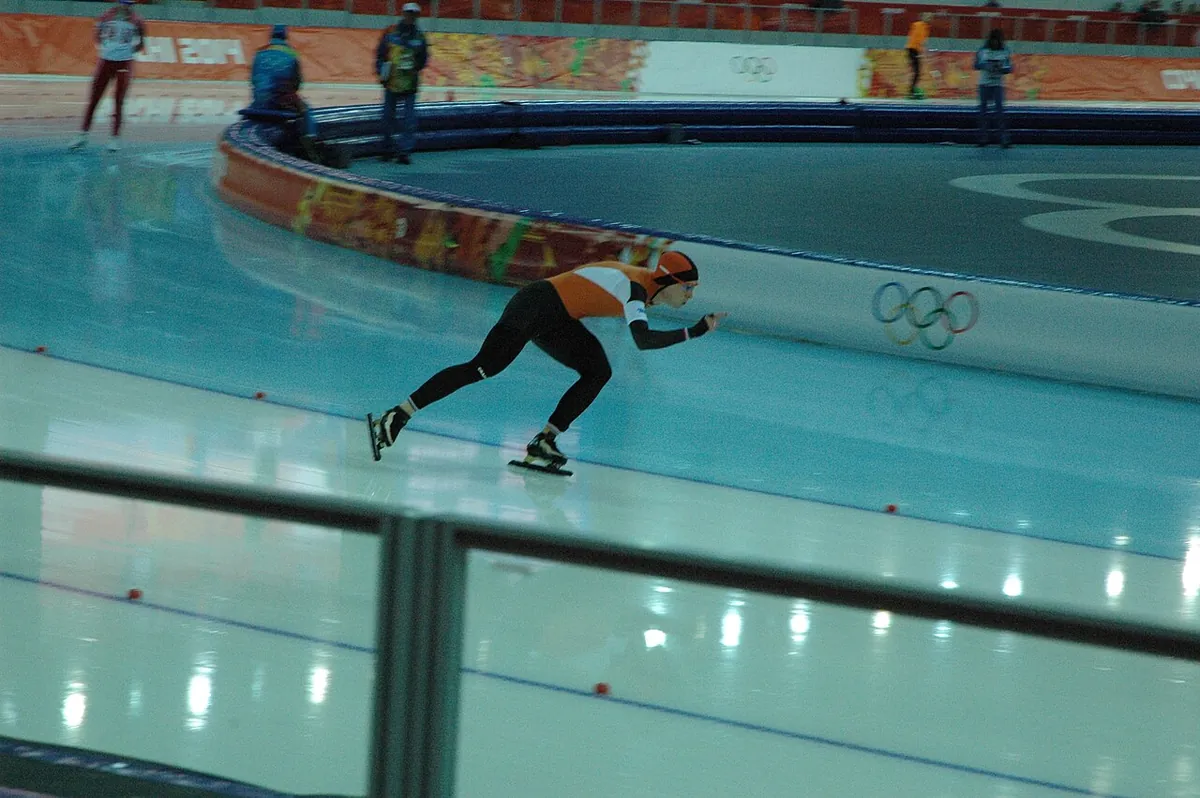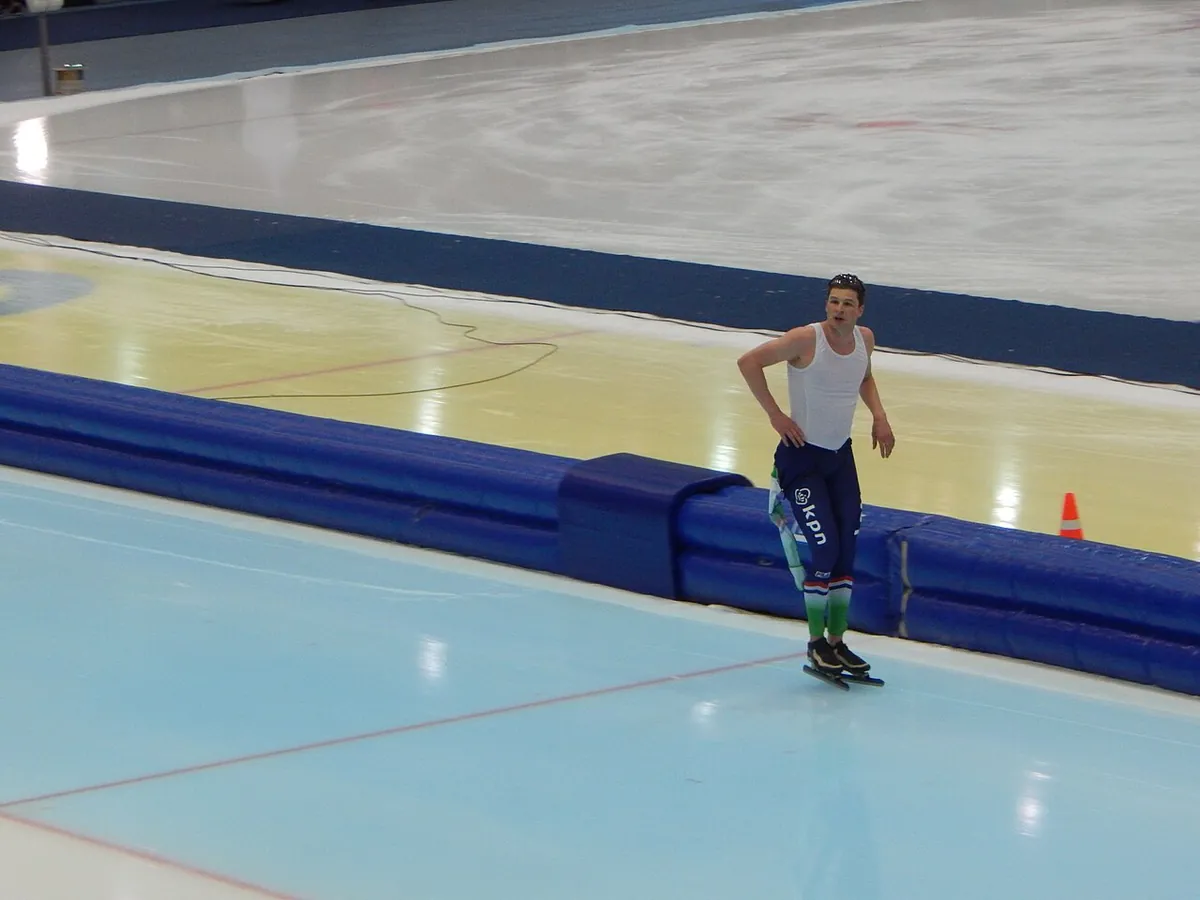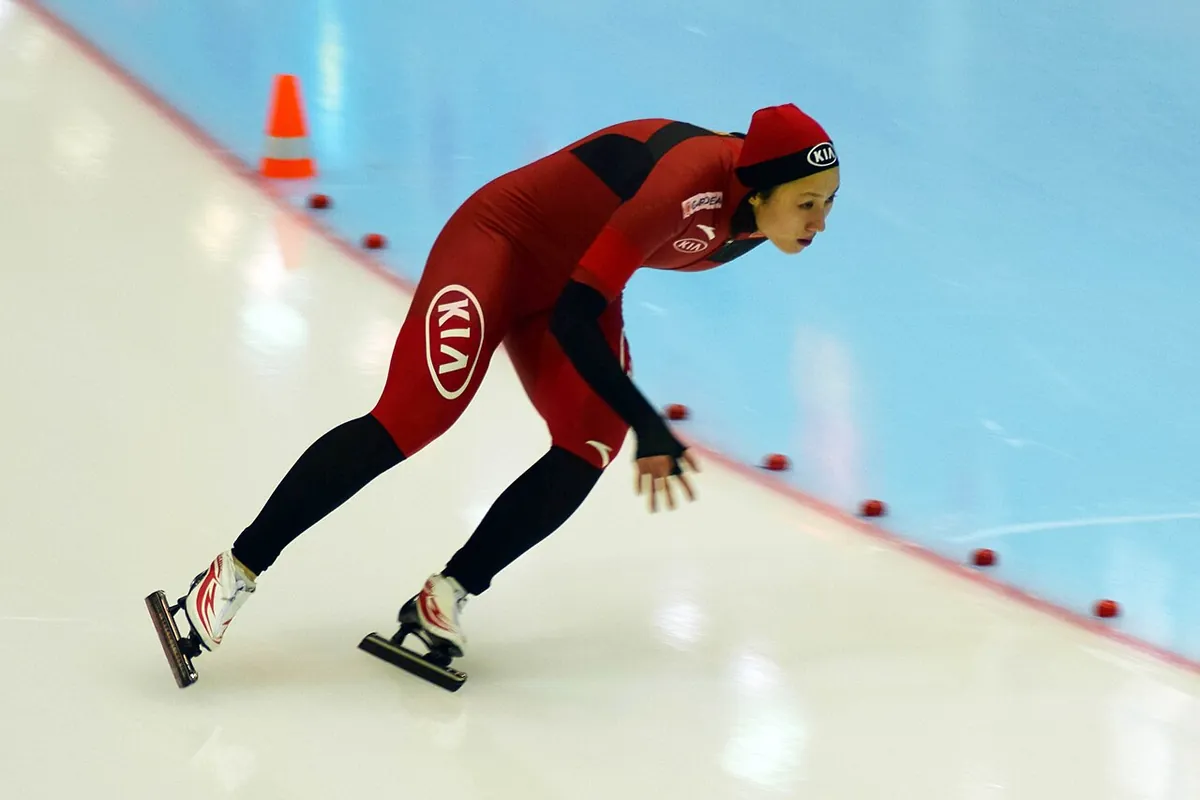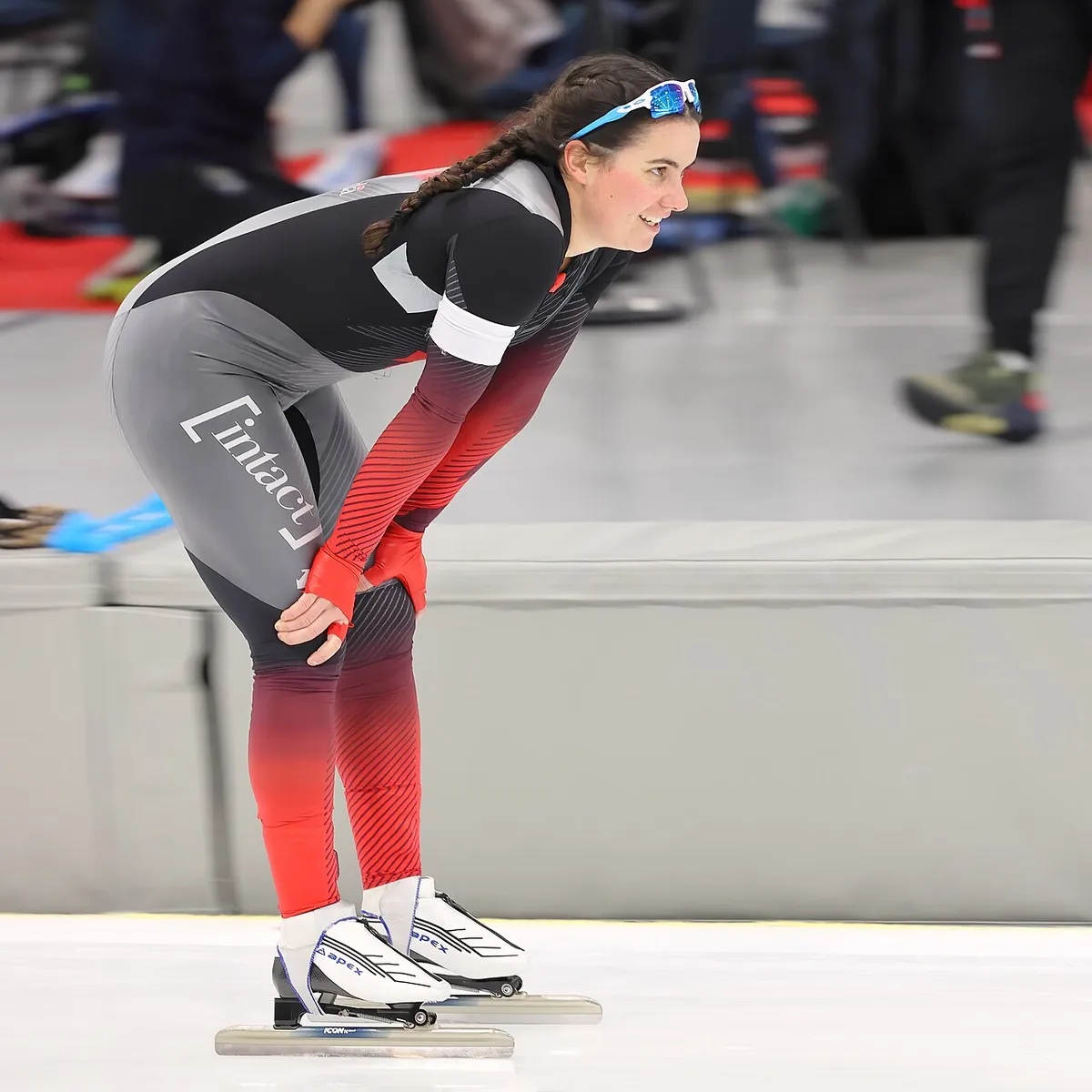
Speed skating and short-track speed skating are both governed internationally by the ISU, but they use different venues and competitive structures. Loose use of the word skating can blur that distinction. A clear introduction begins with the track, the way competitors start and the rules that determine a result or progression to another round.
Different bends and spaces
A standard long-track oval commonly measures 400 metres, while short track uses a much smaller oval within an ice rink. Tighter bends change the importance of position, lean and available passing space. Foundational abilities overlap, but the rhythm of the movements and the equipment choices cannot simply be transferred without adaptation.
Time and finishing order
Long-track individual lane races usually compare valid times across the field. Most short-track rounds use finishing order within a heat, alongside decisions about infringements, to determine progression. Long-track mass start introduces another format, so it is also inaccurate to say that every long-track event only compares time. Identify the particular event and round.
Different team tasks
Long-track team pursuit emphasises formation and a coordinated finish. Short-track relay uses prescribed exchanges between team members. Both need cooperation, but they are not the same kind of relay mechanism. Recognising the difference helps readers describe an athlete's achievements accurately and avoid assigning an important historical breakthrough to the wrong discipline.