 Diving
Dive Groups: Direction, Rotation and Body Position
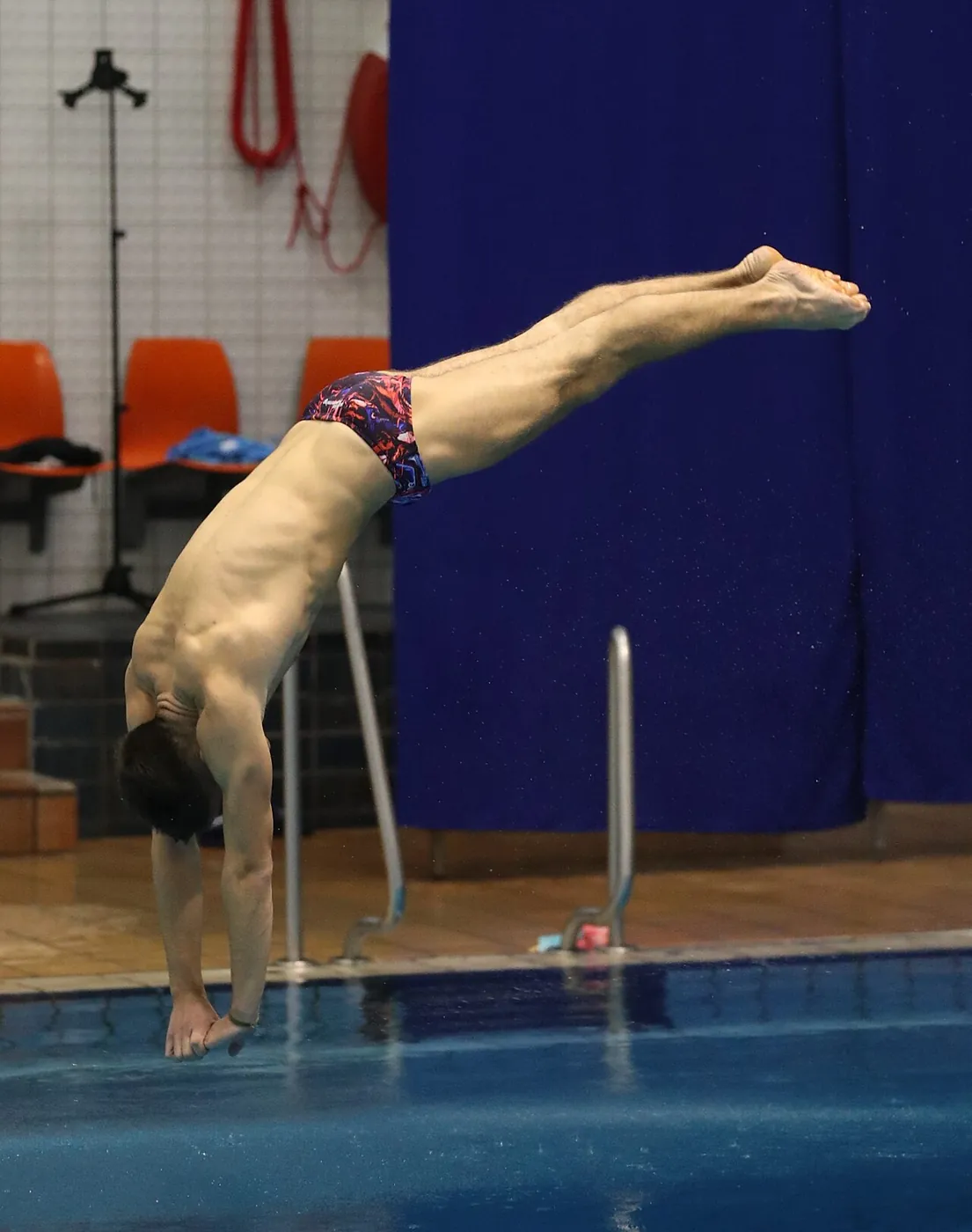
Identify the starting orientation and direction of rotation before trying to decode a complex dive name.
303 stories about sport and the people who shape it. Go deeper into a favourite discipline or discover something new.
Total 303 articles · Page 10 / 21
Search & filter ↗DivingIdentify the starting orientation and direction of rotation before trying to decode a complex dive name.
 Diving
Entry quality reflects the earlier take-off, rotation and opening, while the complete dive still determines the assessment.
 Diving
Individual execution and synchronisation are separate demands that must work together.
 Diving
A competition is decided by the full list of dives, not by one spectacular success or mistake.
 Diving
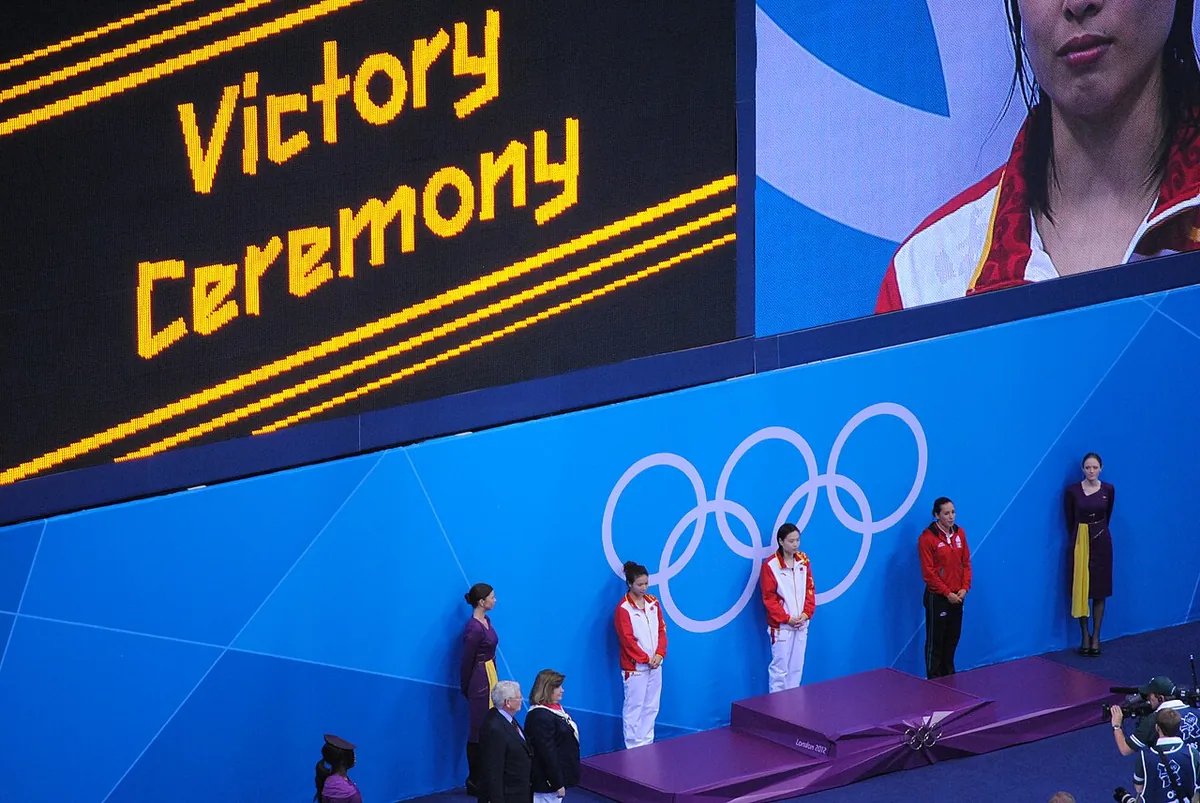
The addition of synchronised events changed the competitive task, bringing partnership and timing into the Olympic programme.
 Diving
Guo's Athens and Beijing titles show the related but distinct demands of individual and synchronised springboard diving.
 Diving
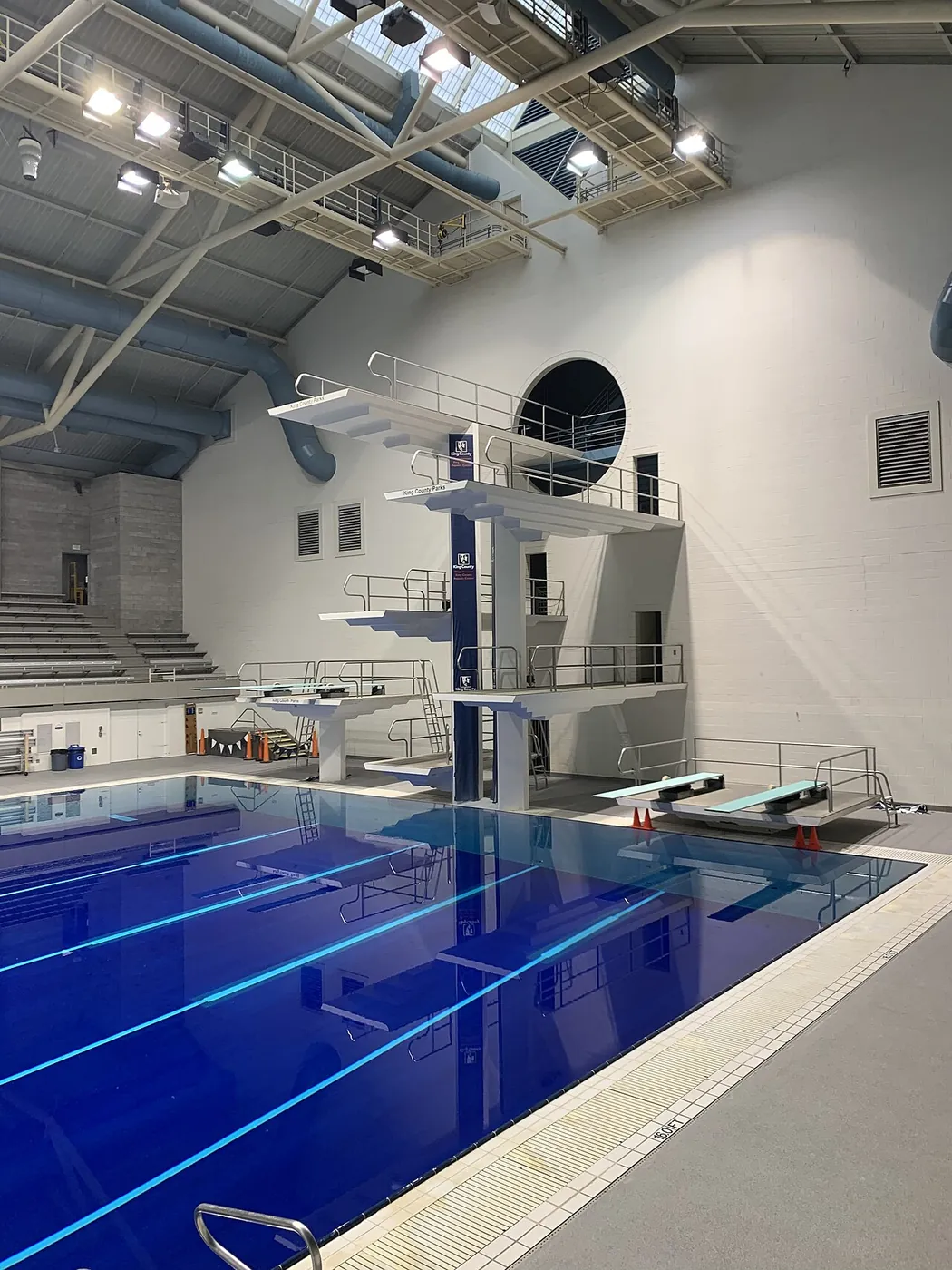
Fu's championship record spans two apparatus with different take-off conditions.
 Diving
Louganis won both Olympic men's diving events in 1984 and again in 1988.
 Weightlifting
Follow the bar and the lifter together to understand how speed becomes a controlled overhead position.
 Weightlifting
Receiving the bar at the shoulders is only the first part of completing a valid clean and jerk.
 Weightlifting
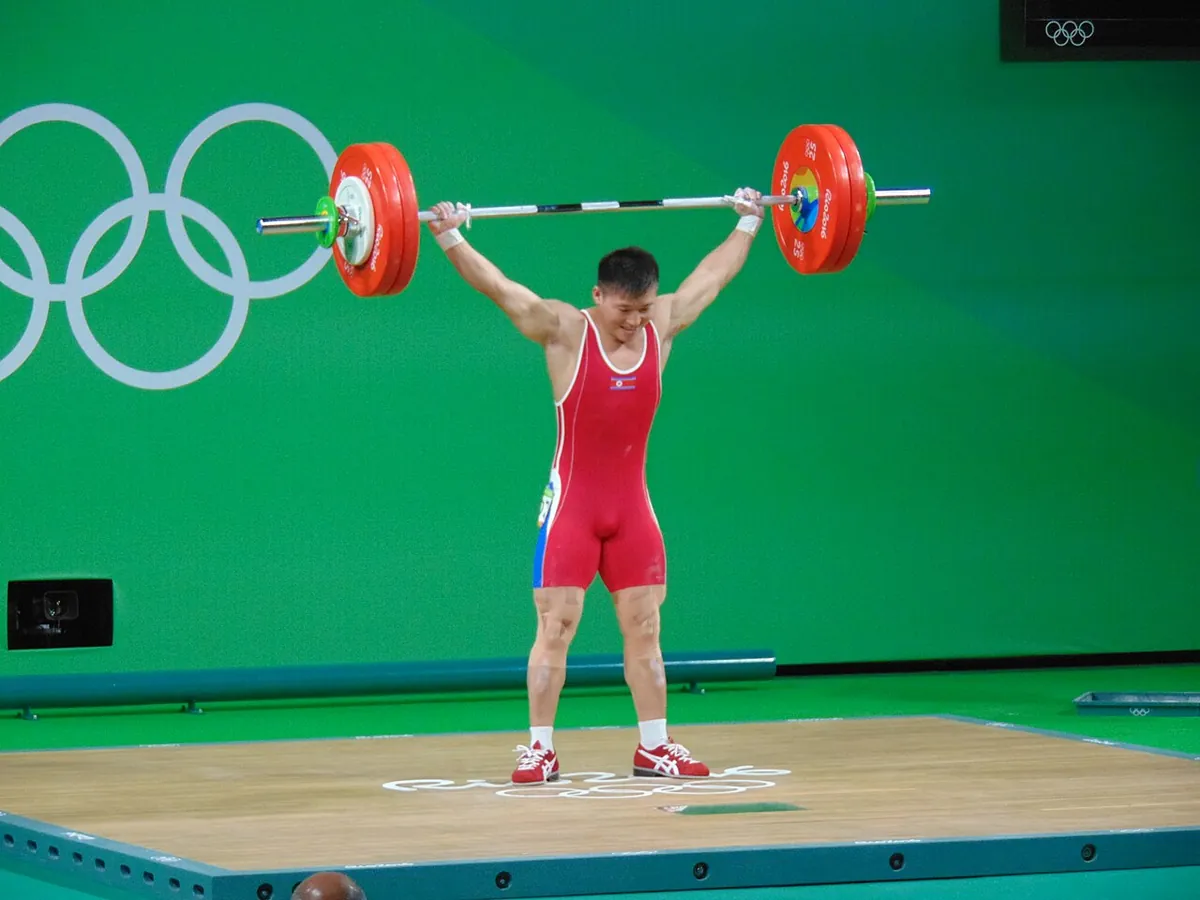
The best valid snatch and clean and jerk form the total; the six attempts are opportunities, not six numbers to add.
 Weightlifting
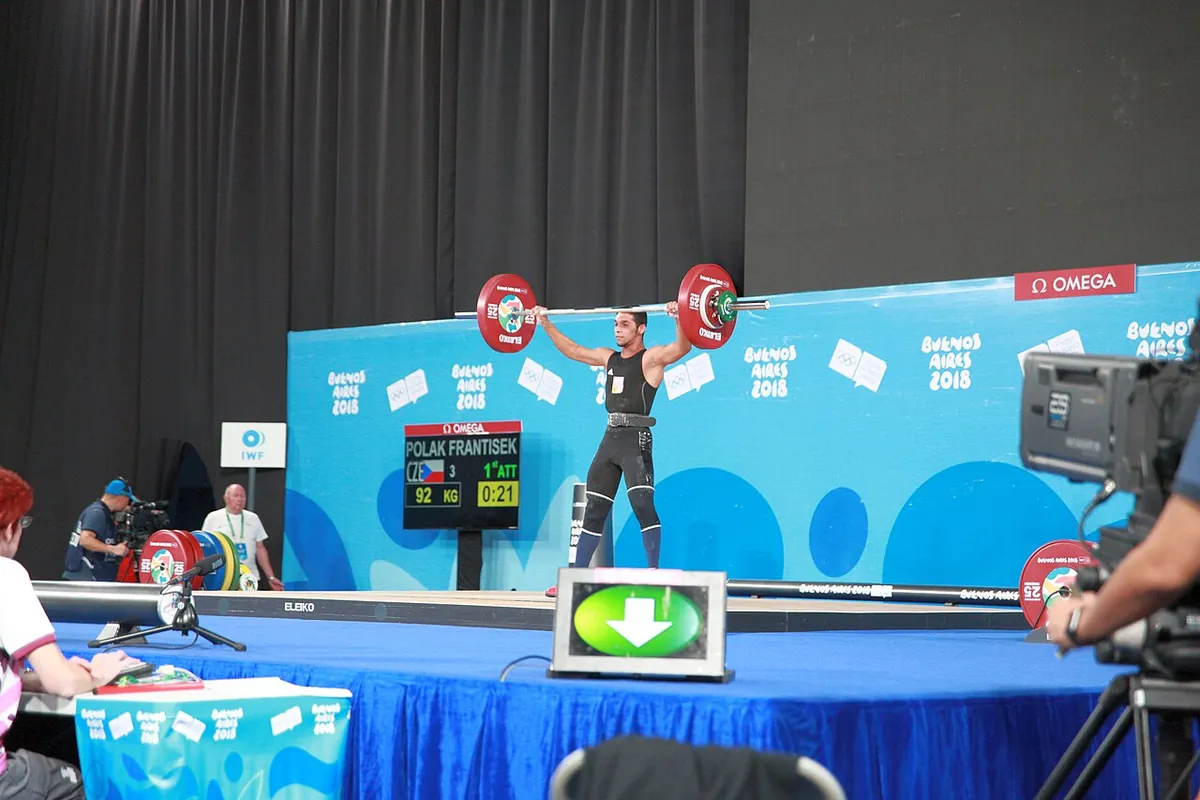
Declared weights shape both the scoring target and the conditions under which the next attempt occurs.
 Weightlifting
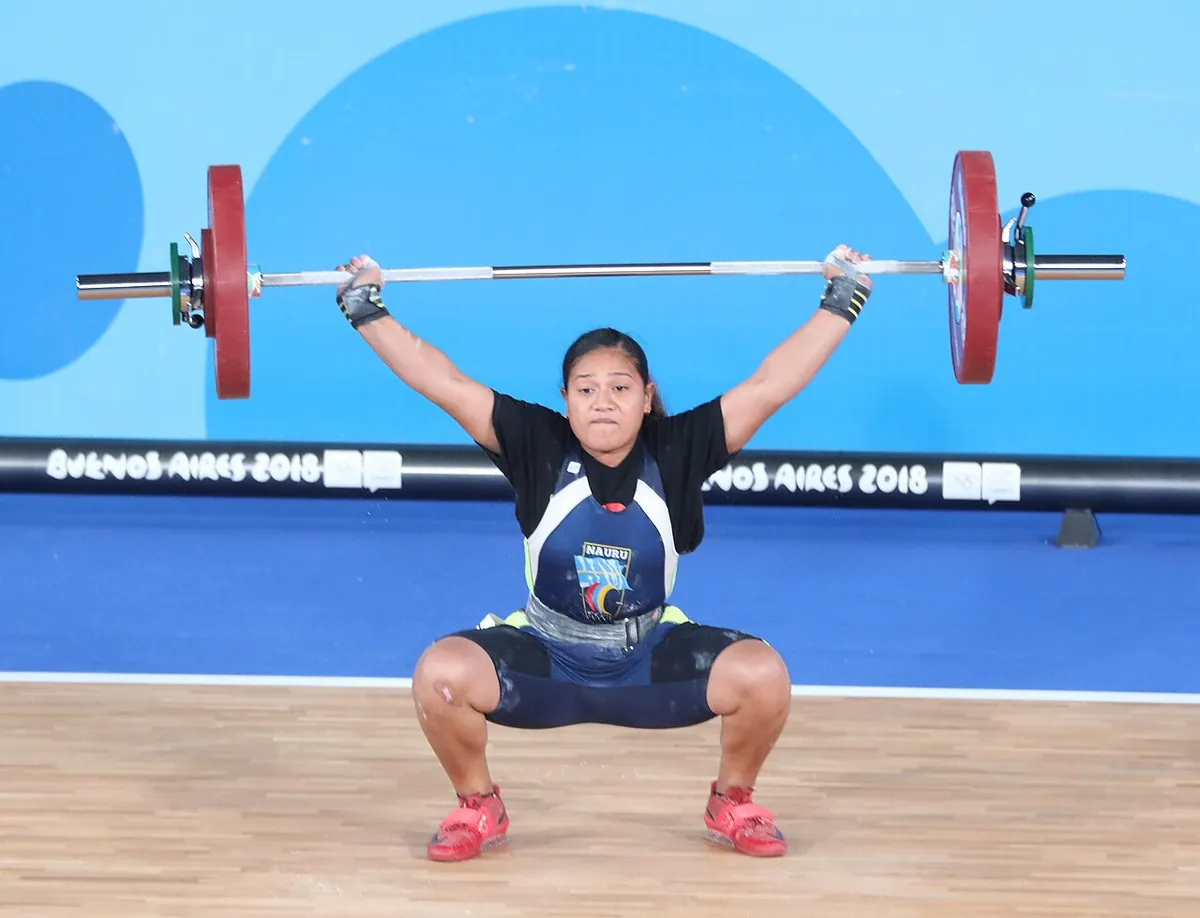
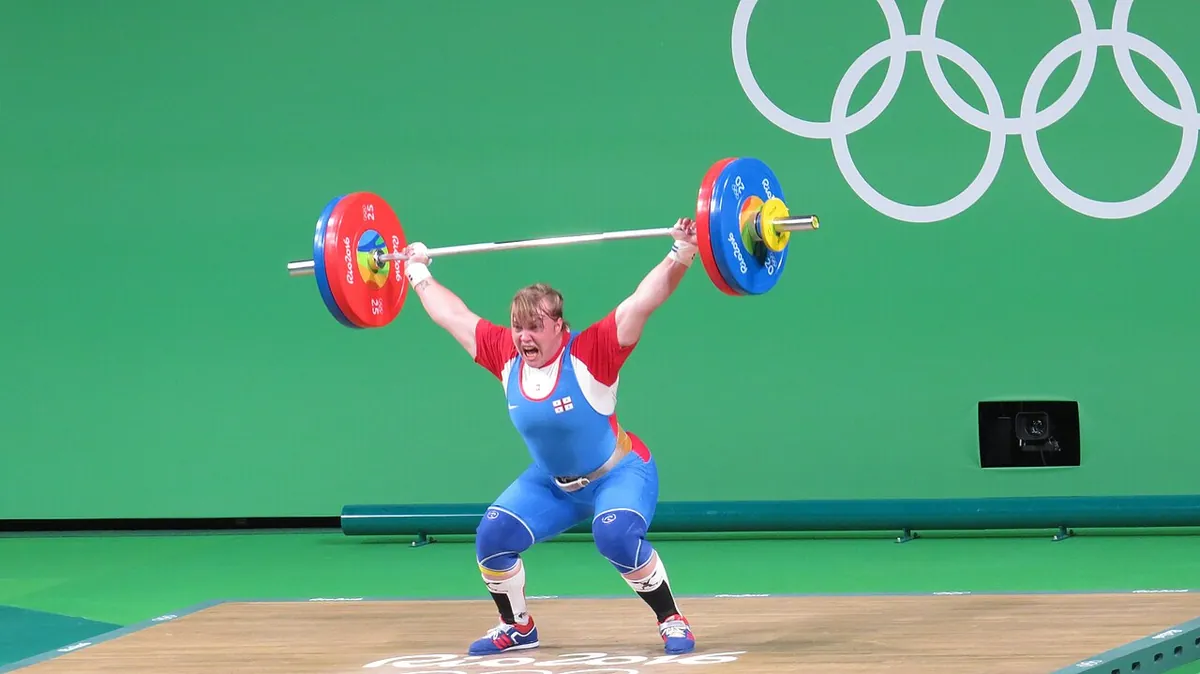
Reaching overhead is not enough; the complete movement and finishing control must meet the technical rules.
 Weightlifting
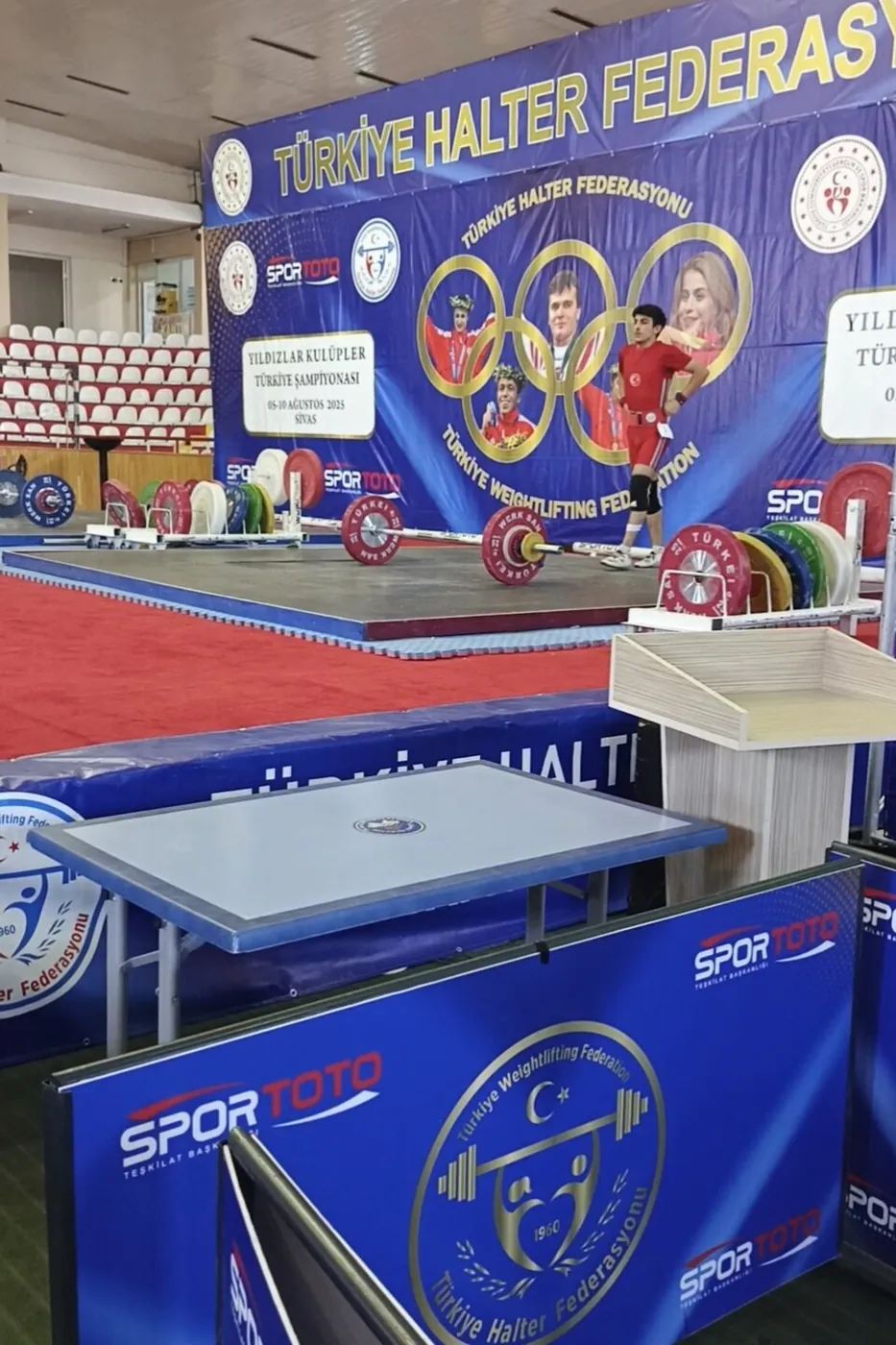
Weight classes define the competition, and historical results must retain the category used at the time.
 Weightlifting
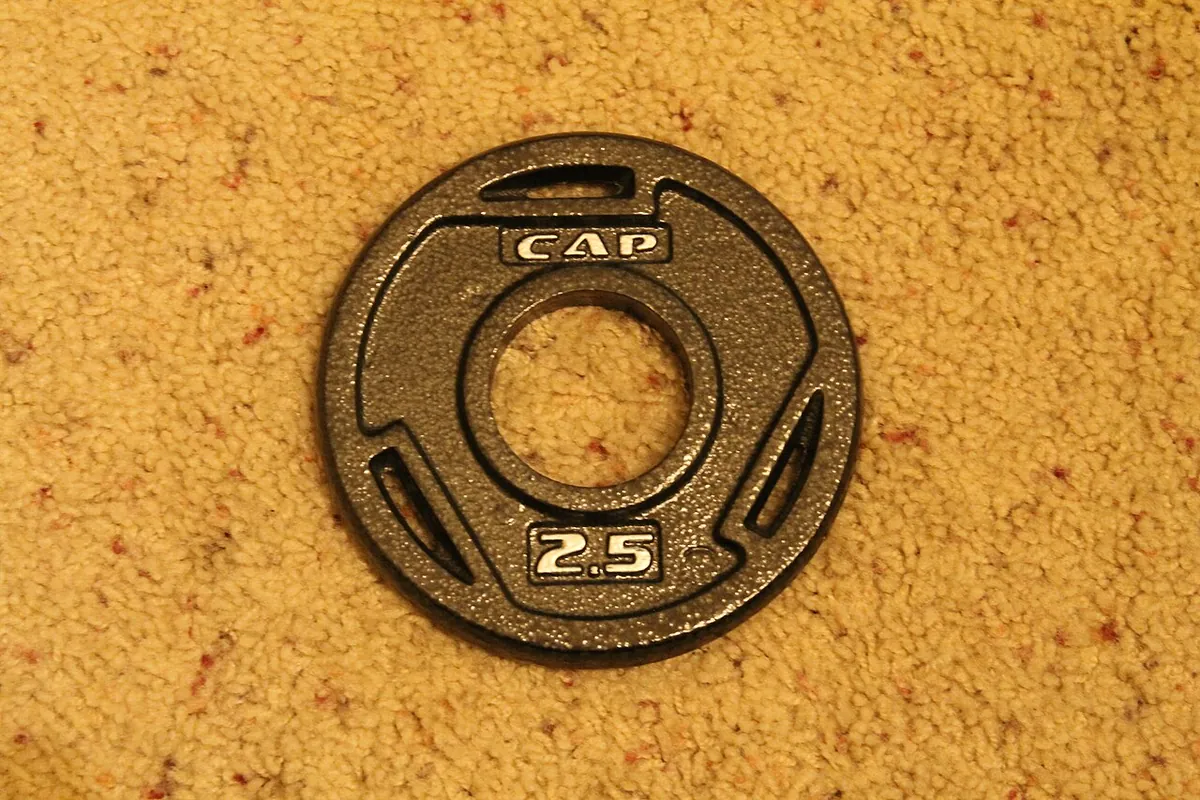
Standard equipment supports comparable competition, while valid technique remains the athlete's responsibility.