 Fencing
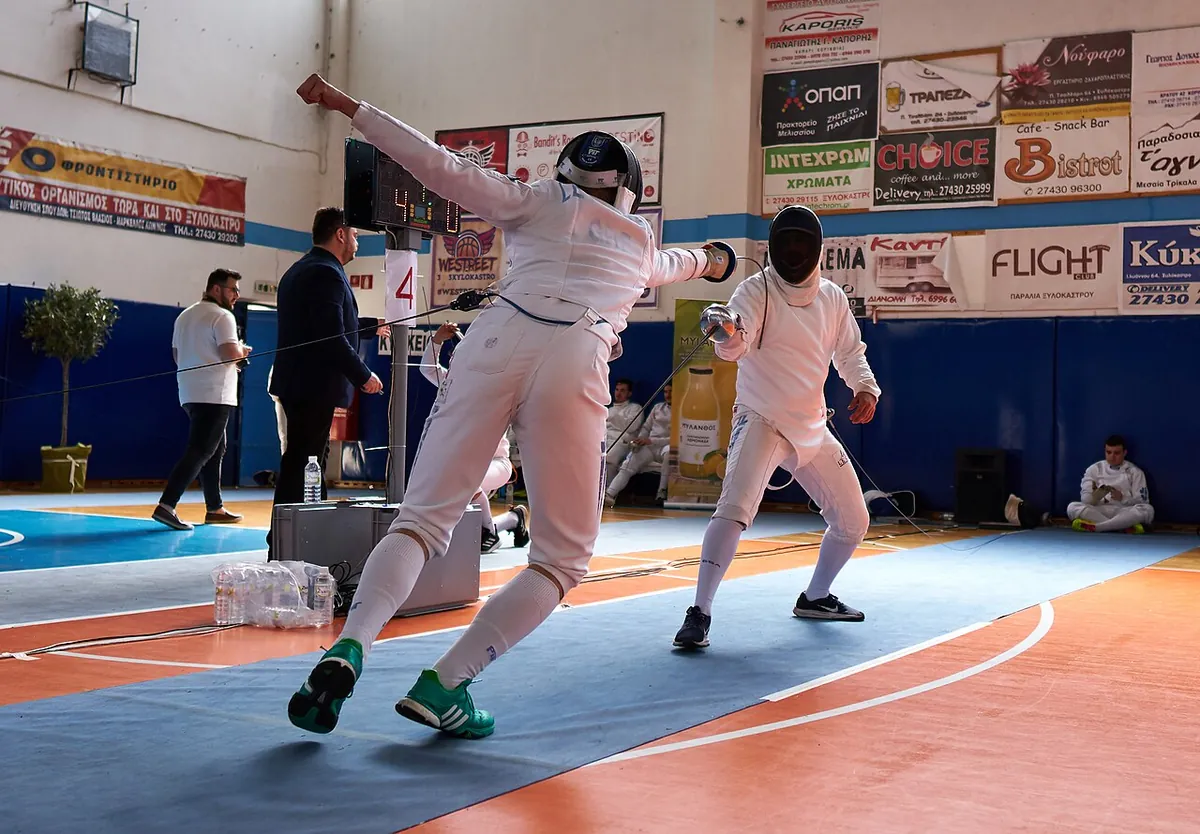
Epee Distance: Nearby Targets and Double Hits
The whole-body target makes small changes in range important, while double-hit conditions influence risk.
303 stories about sport and the people who shape it. Go deeper into a favourite discipline or discover something new.
Total 303 articles · Page 12 / 21
Search & filter ↗FencingThe whole-body target makes small changes in range important, while double-hit conditions influence risk.
 Fencing
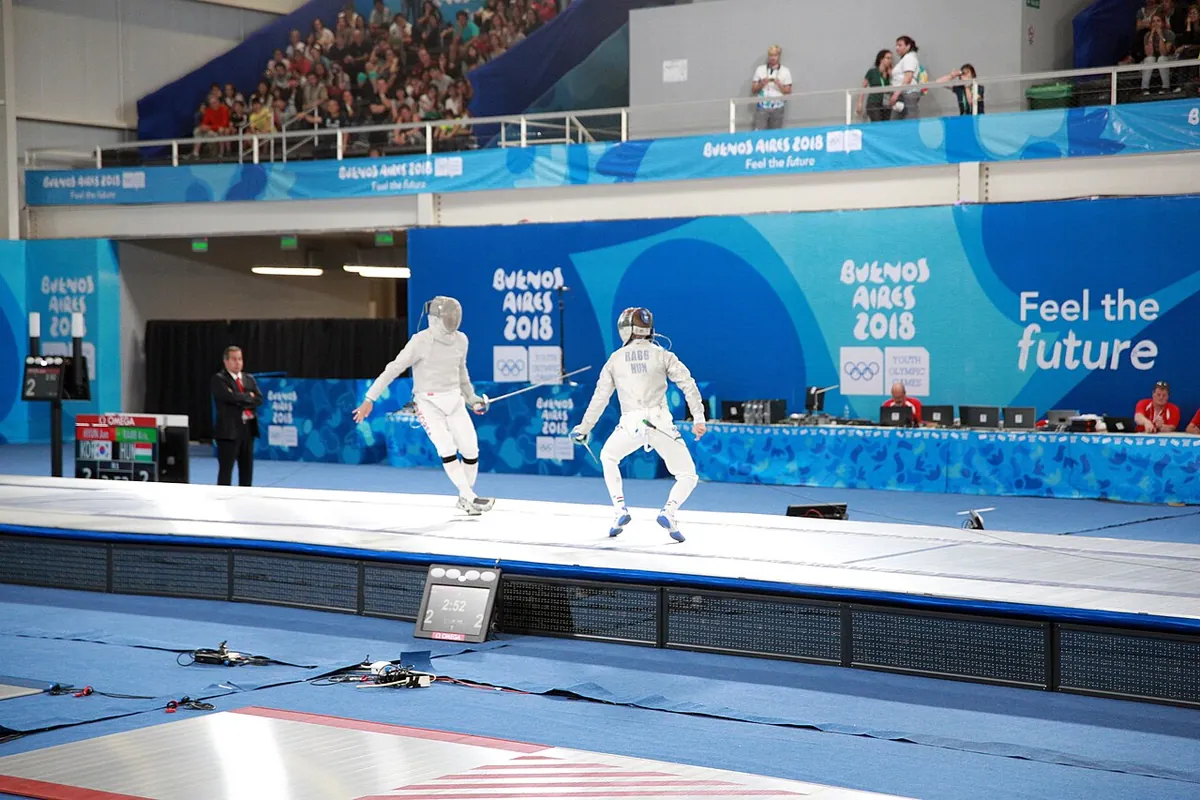
Starting rhythm, distance and attacking priority make brief sabre exchanges technically dense.
 Fencing
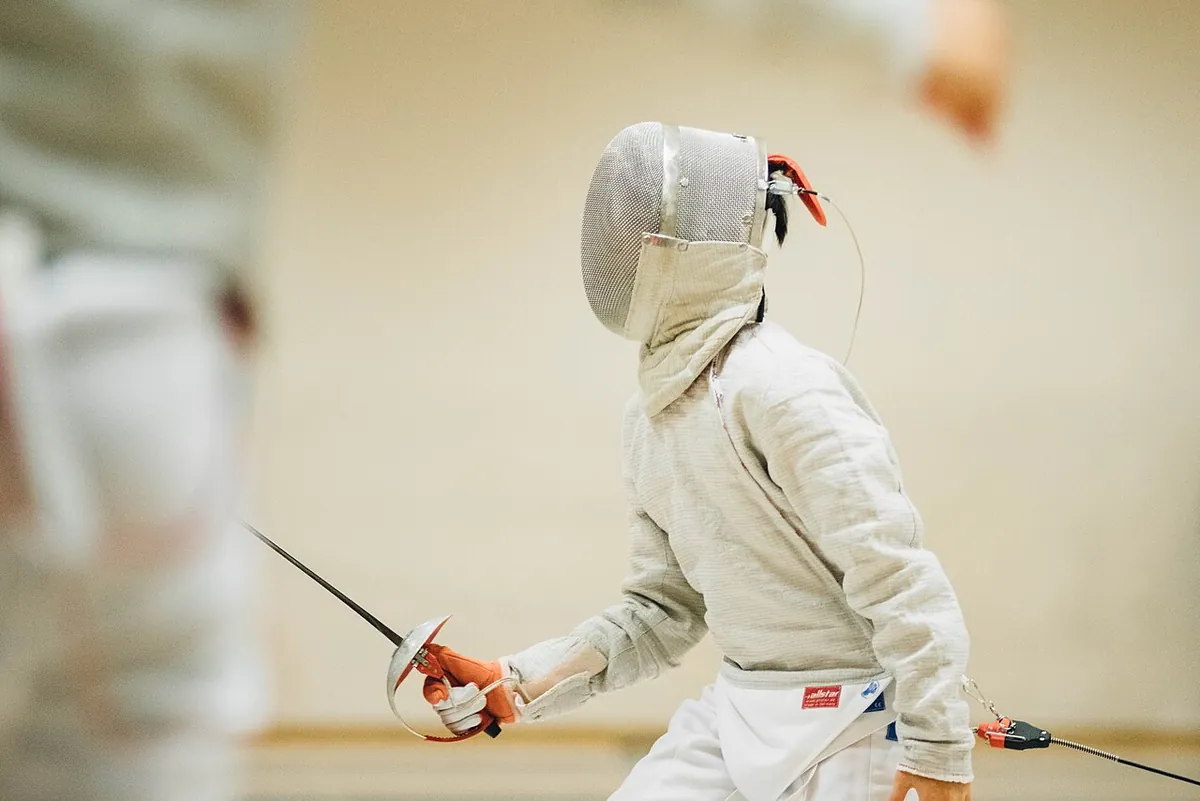
Advancing, retreating and lunging connect the weapon to the target while preserving balance for the next action.
 Fencing
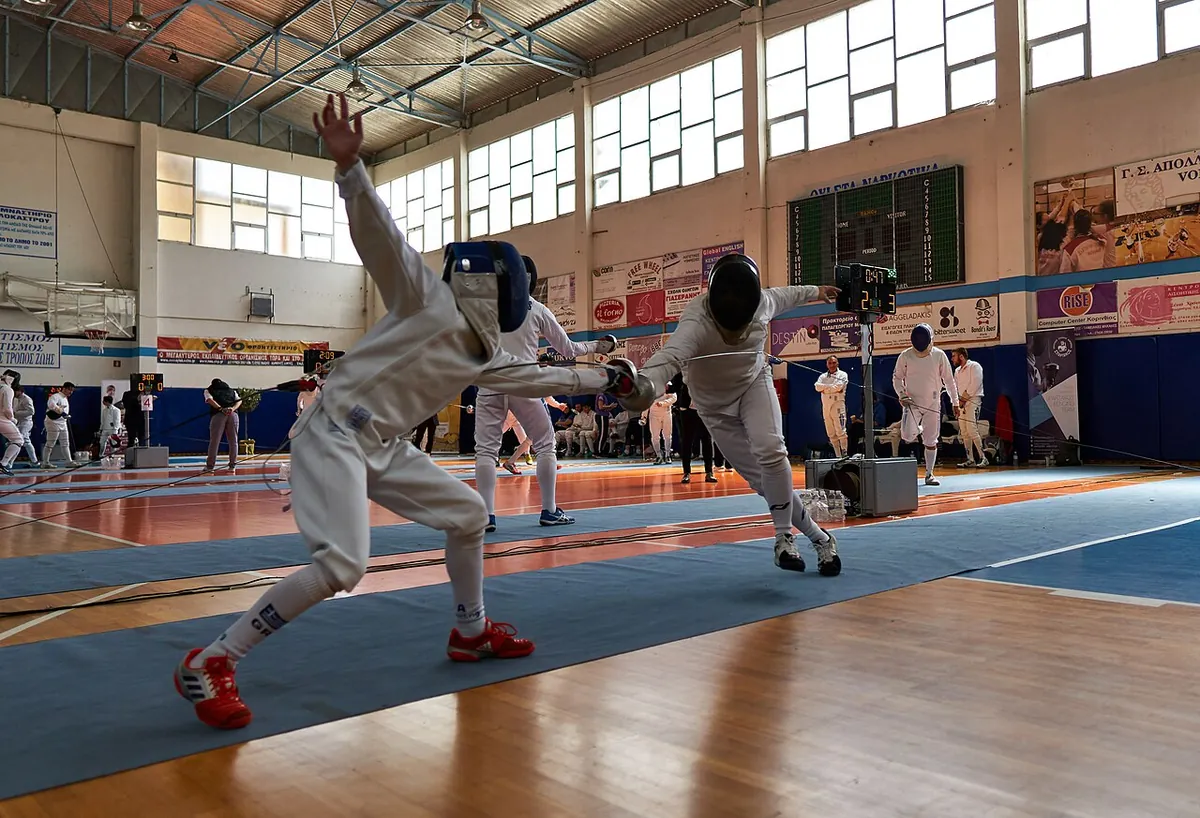
Each relay leg inherits the previous score, so its contribution depends on the situation at the changeover.
 Fencing
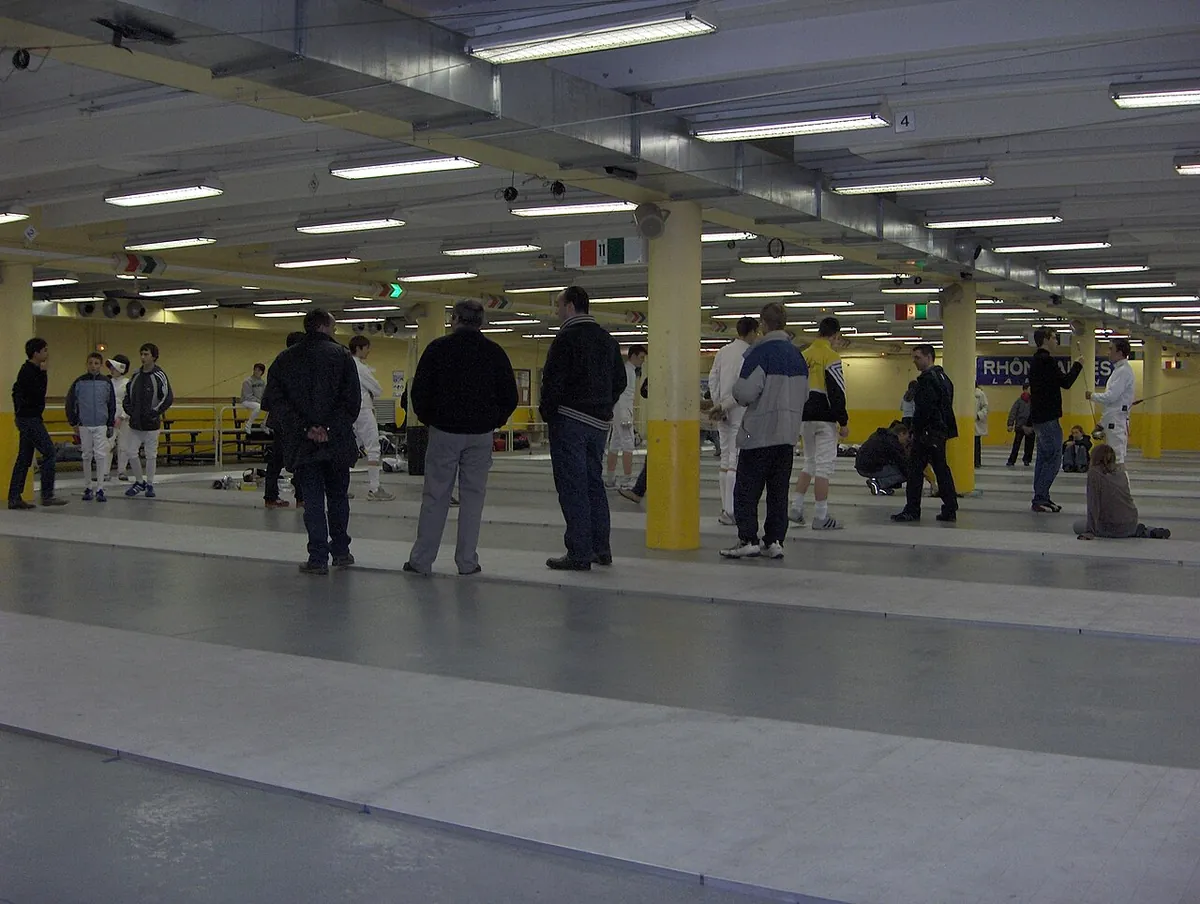
Equipment records defined contact conditions; the rules and referee still determine the scoring outcome.
 Fencing
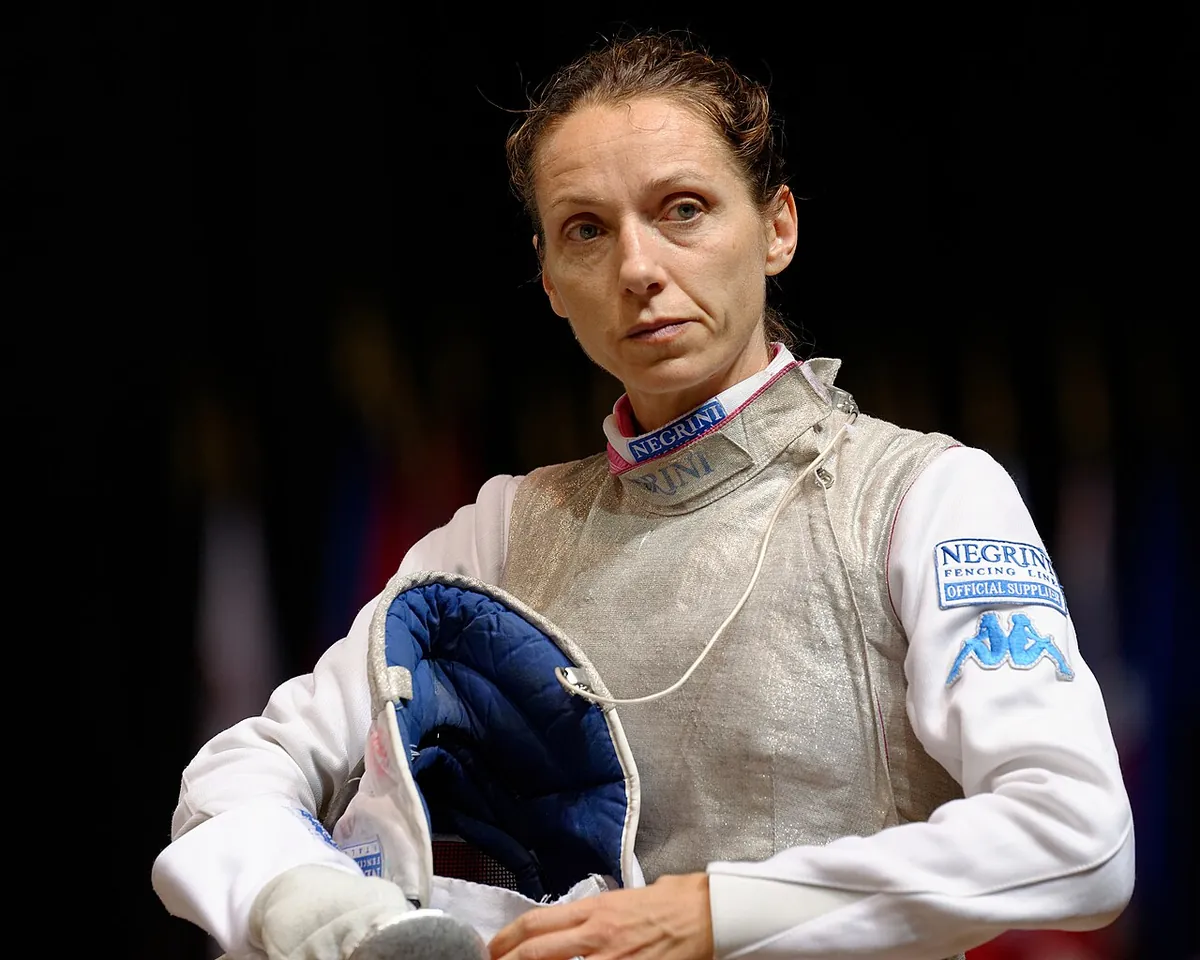
Vezzali's Sydney, Athens and Beijing results provide a clear record of sustained individual foil success.
 Fencing
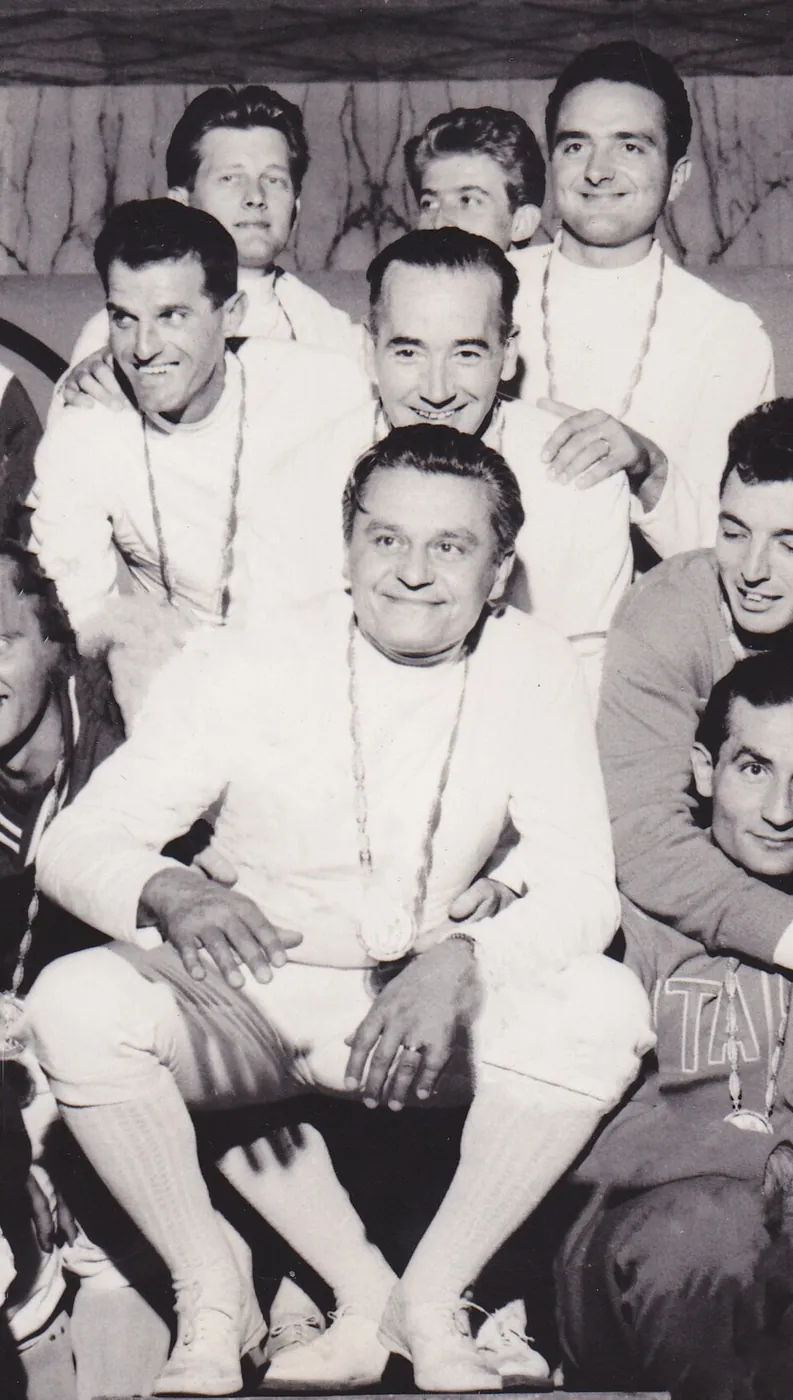
Gerevich's six Olympic team titles span a calendar interrupted by cancelled Games.
 Fencing
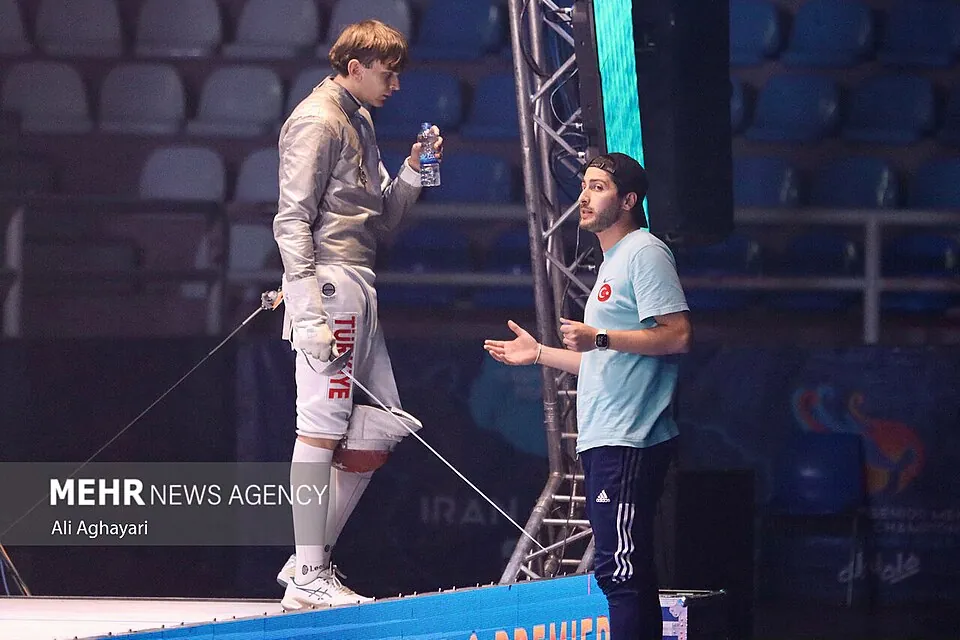
Zhong's 2008 Olympic title offers an introduction to sabre's combination of speed, distance and priority.
 Judo
Judo scores form a hierarchy rather than an ordinary sum. The applicable rule period is essential.
 Judo
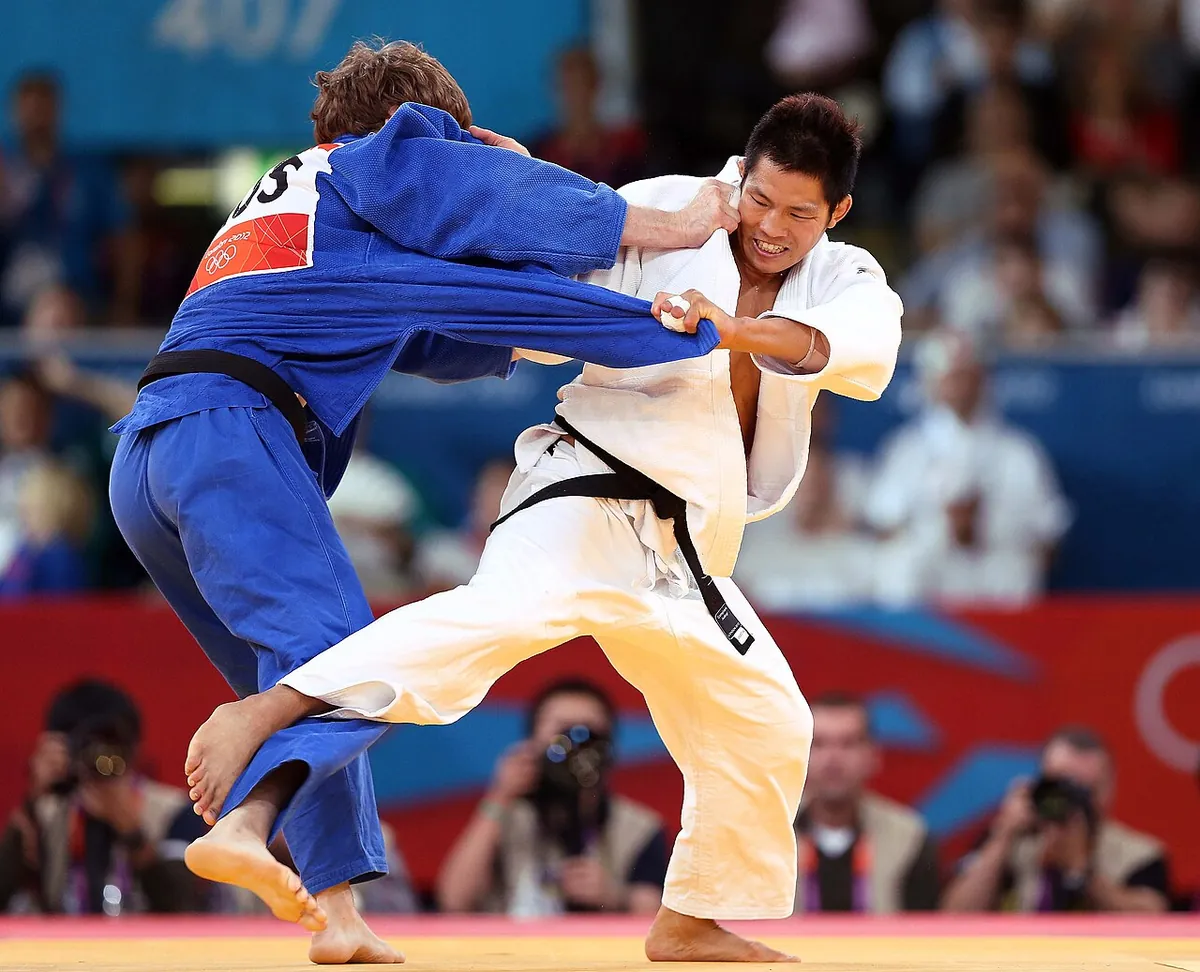
Sleeve and lapel control help create opportunities, but a strong-looking grip is not yet a successful attack.
 Judo
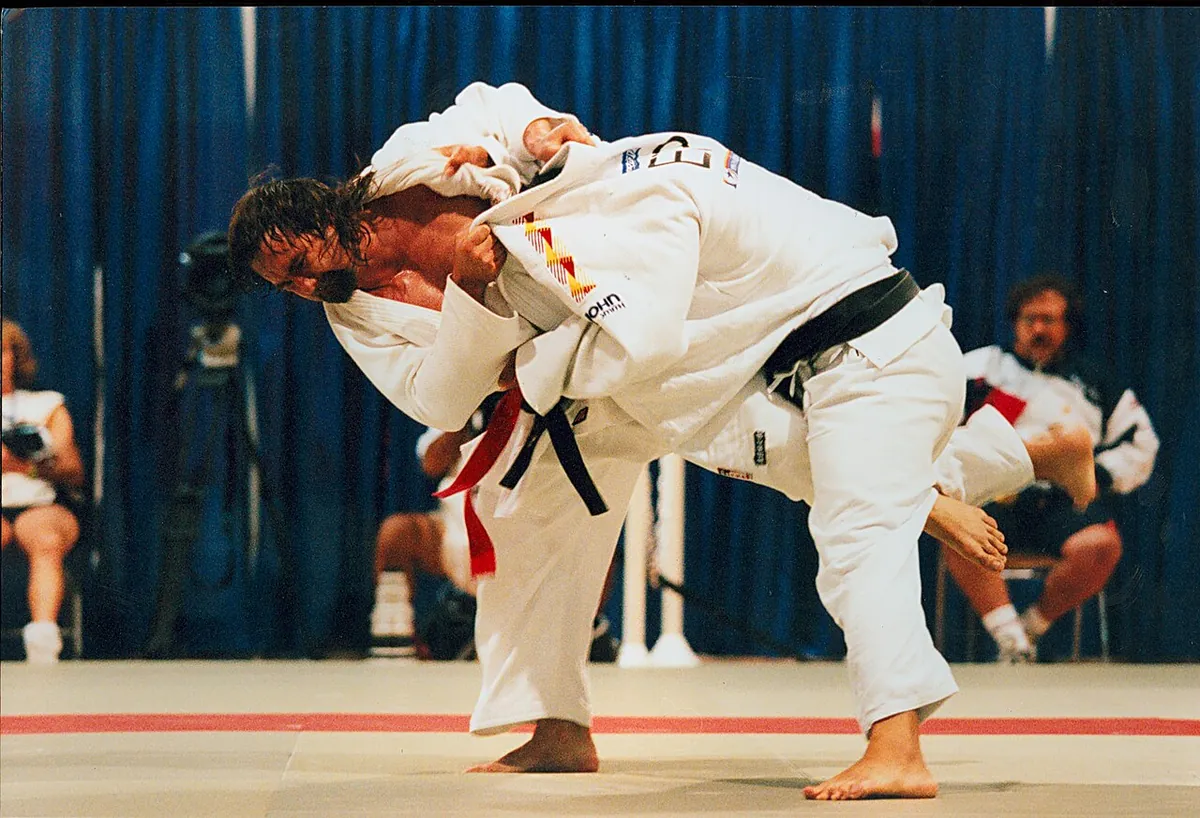
Hand, hip, foot and sacrifice techniques describe technical characteristics rather than guaranteed scoring values.
 Judo
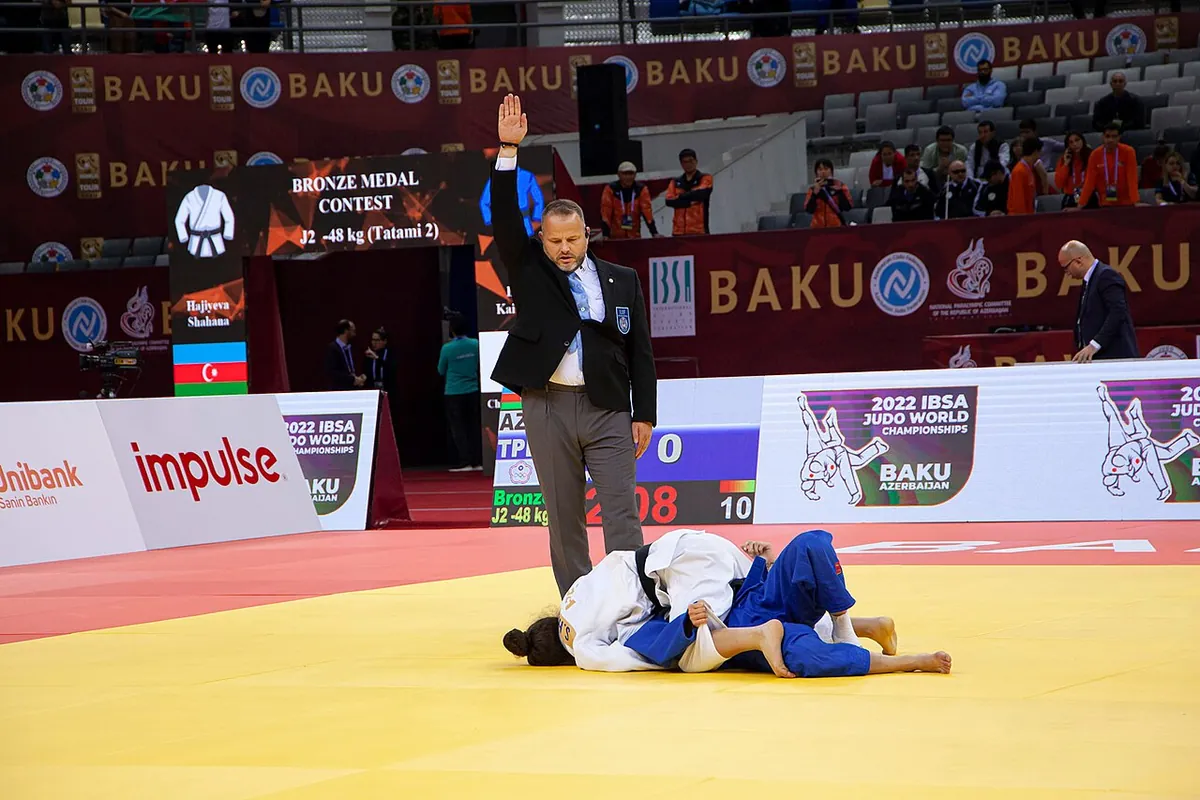
A standing attack can lead into a ground phase, where legal control and continuing progress matter.
 Judo
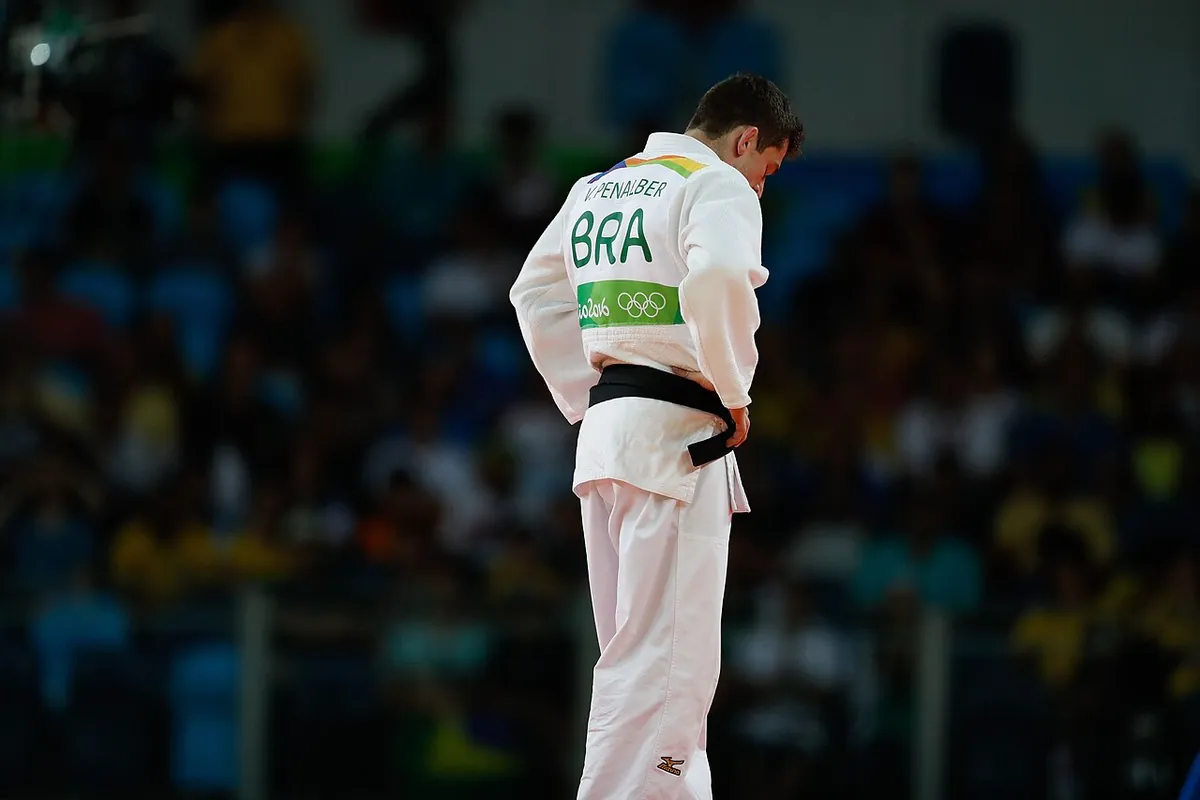
A decisive phase becomes clearer when the existing score, penalties and winning conditions are read together.
 Judo
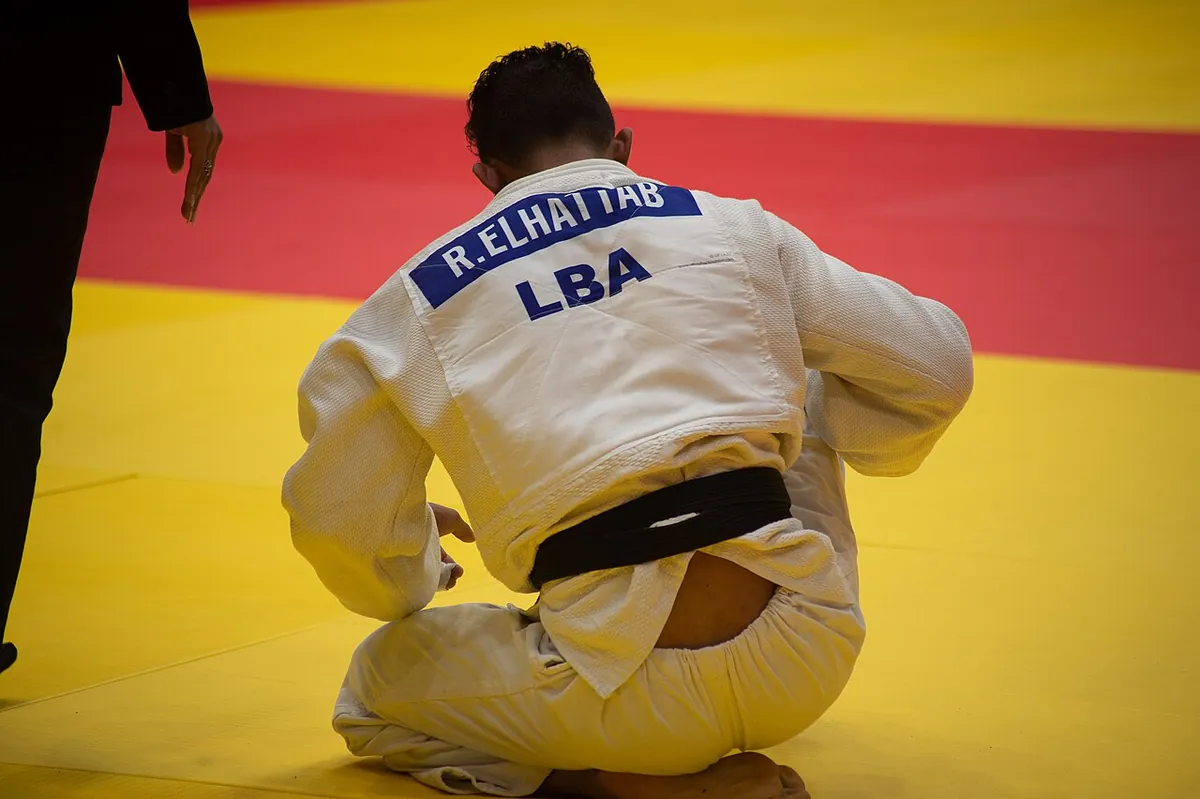
An individual contest and the wider team encounter operate on different scoring levels.
 Judo
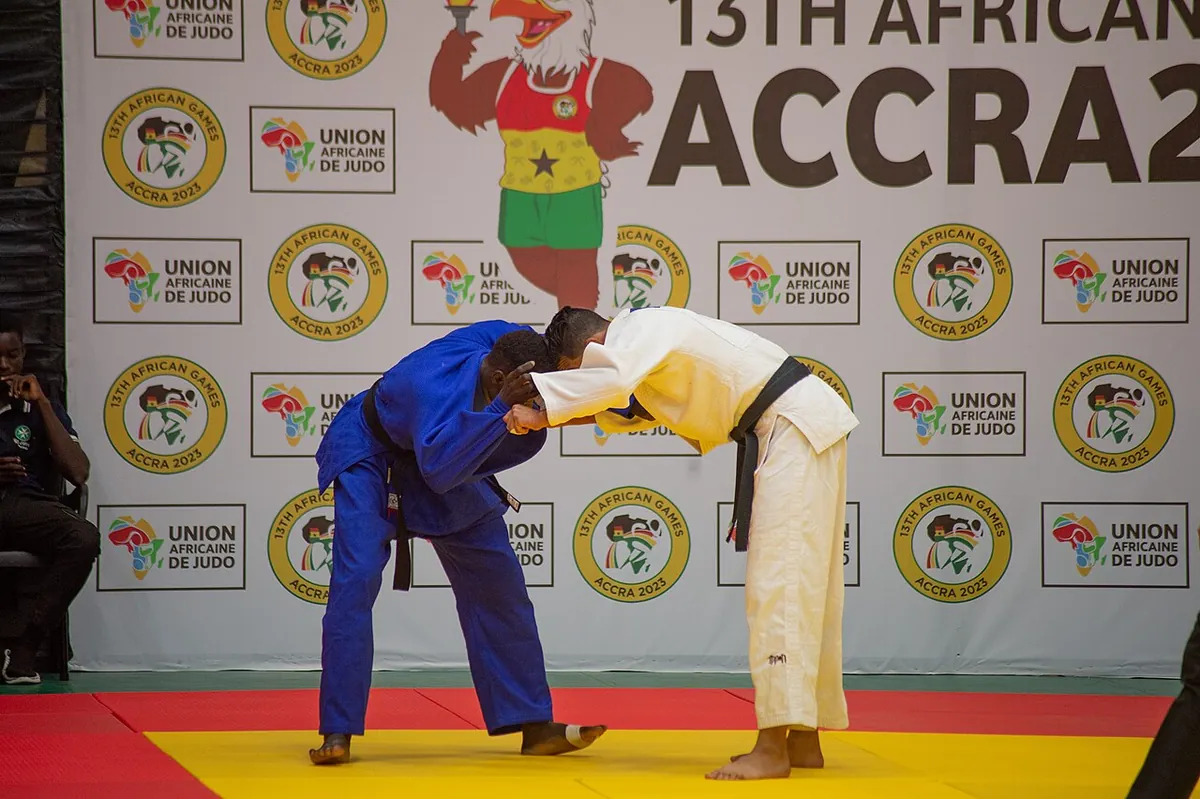
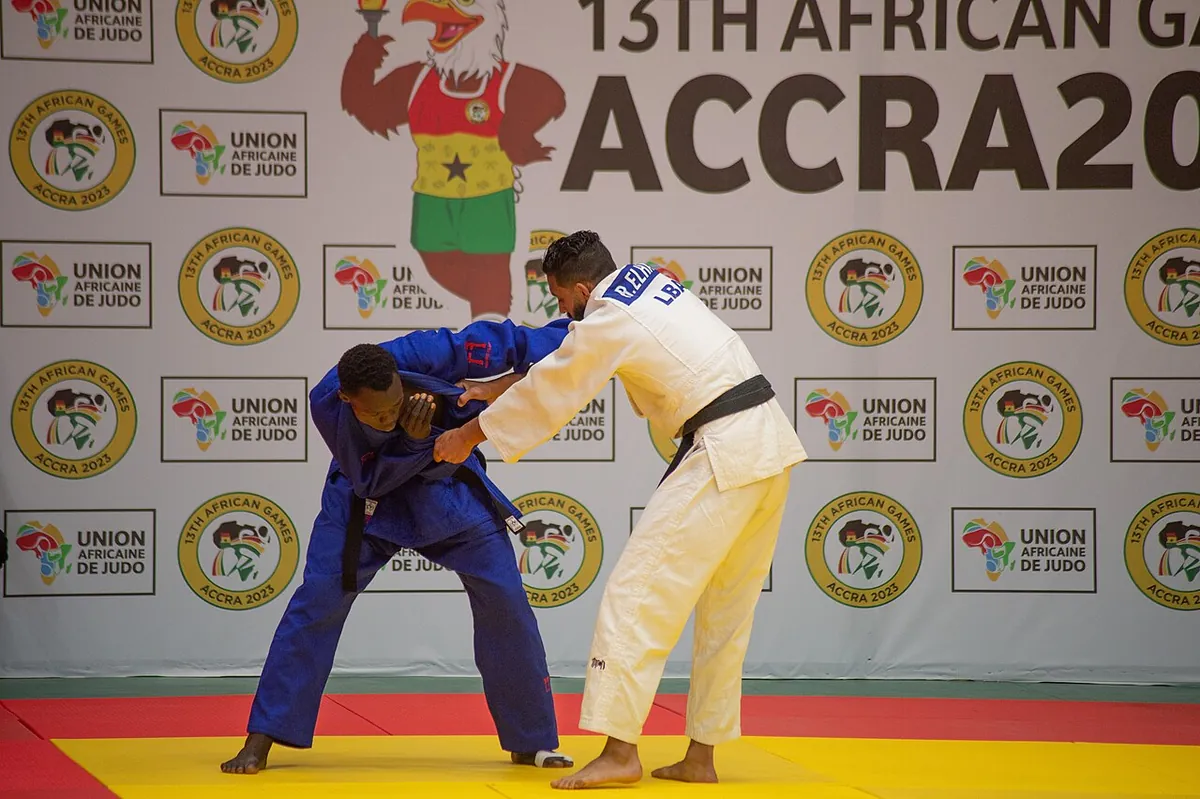
Bows and referee commands create an organised boundary around a demanding technical contest.